
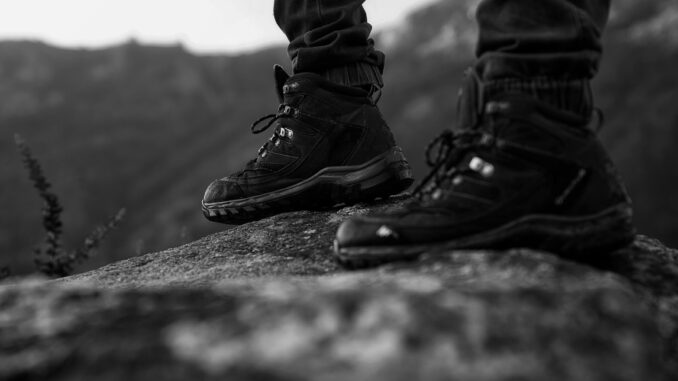

Mar 16: Adventure travel is rapidly transforming the global tourism landscape as more travelers prioritize experiences that combine exploration, physical activity, and a connection with nature. From mountain trekking and forest hikes to long-distance walking trails, travelers are moving beyond traditional sightseeing to embrace journeys that are immersive and physically engaging. As this trend continues to grow, one essential piece of gear has become increasingly important—hiking footwear.
The rise of adventure tourism has significantly influenced how travelers plan their trips. Destinations known for scenic landscapes, national parks, and trekking routes are seeing a surge in visitors who want to explore nature on foot. Whether it is a short day hike or a multi-day trekking expedition, the right hiking shoes play a critical role in ensuring comfort, safety, and performance during outdoor travel.
Adventure Travel Driving Tourism Growth
Adventure travel has become one of the fastest-growing sectors in the global tourism industry. Travelers today are seeking meaningful experiences rather than conventional vacations. Hiking trails, nature reserves, and mountainous destinations are attracting visitors who want to combine travel with fitness, wellness, and outdoor exploration.
This shift is also encouraging tourism boards and travel operators to develop more adventure-focused itineraries. Guided trekking tours, eco-travel experiences, and hiking routes are now common offerings in many destinations. As a result, outdoor gear, particularly hiking footwear, has become an essential travel investment for modern explorers.
Why Hiking Shoes Are Essential for Travelers
When it comes to outdoor adventures, regular sneakers often fall short. Hiking shoes are specifically designed to handle rough terrain, unpredictable weather conditions, and extended walking hours. Their specialized construction helps protect the feet while providing stability and grip on uneven surfaces.
One of the most important features of hiking shoes is their traction. Rugged soles with deep grip patterns help travelers maintain balance on rocky paths, muddy trails, and steep inclines. This reduces the risk of slipping or injury during challenging hikes.
Support and cushioning are equally important. Long-distance walking can put pressure on the feet, ankles, and knees. Quality hiking footwear provides shock absorption and arch support, helping to reduce fatigue and prevent common hiking injuries such as blisters and sprains.
Weather Protection and Durability
Adventure travelers often encounter changing weather conditions. Waterproof or water-resistant hiking shoes protect the feet from rain, streams, and damp terrain, making them ideal for outdoor travel. At the same time, breathable materials allow airflow, preventing overheating and maintaining comfort during long hikes.
Durability is another key advantage. Hiking shoes are typically made with reinforced materials that withstand rugged environments. This ensures they remain reliable even after repeated use across various terrains.
Innovation in the Hiking Footwear Market
The growing popularity of adventure travel has pushed footwear manufacturers to innovate. Modern hiking shoes are becoming lighter, more flexible, and more travel-friendly without sacrificing durability or performance.
Many brands now produce hybrid designs that combine trail functionality with everyday style, allowing travelers to wear the same shoes during city exploration and outdoor hikes. Lightweight materials, advanced cushioning systems, and improved grip technologies are making hiking footwear more comfortable than ever.
Sustainability has also become a focus within the outdoor gear industry. Environmentally conscious travelers are increasingly choosing products made with recycled materials and responsible manufacturing practices. This trend is encouraging footwear brands to develop eco-friendly hiking shoes that align with sustainable travel values.
Economic Impact on the Travel Industry
The growth of adventure tourism is not only influencing travelers but also creating new opportunities for the travel and retail sectors. Outdoor gear retailers, travel equipment brands, and tour operators are benefiting from increased demand for hiking-related products and services.
Destinations with strong trekking infrastructure—such as well-maintained trails, mountain routes, and nature parks—are seeing higher visitor numbers. This growth supports local economies through tourism spending on accommodations, guides, transportation, and outdoor equipment.
As adventure travel continues to gain popularity, hiking footwear is becoming an integral part of the travel ecosystem. Travelers now consider reliable gear as essential to fully experiencing outdoor destinations.
Choosing the Right Hiking Shoes for Travel
Selecting the right hiking shoes depends on several factors, including terrain, climate, and the duration of the trip. Lightweight hiking shoes are ideal for travelers who plan to combine city exploration with short nature hikes. For more challenging treks, sturdier shoes with enhanced support and durability are recommended.
Proper fit is also crucial. Shoes should provide enough room for toe movement while maintaining a secure grip around the heel. Breaking in new footwear before a trip can help prevent discomfort during long hikes.
The Future of Adventure Travel
Adventure travel is expected to remain a major trend in the tourism industry as travelers continue to prioritize wellness, sustainability, and meaningful experiences. Hiking trails, eco-tourism initiatives, and outdoor expeditions are likely to attract an even broader audience in the coming years.
In this evolving travel landscape, hiking footwear has become more than just outdoor gear—it is a vital tool that enables travelers to explore destinations safely and comfortably. As adventure tourism grows, the importance of the right footwear will only continue to increase, ensuring that every journey begins with a confident step.