
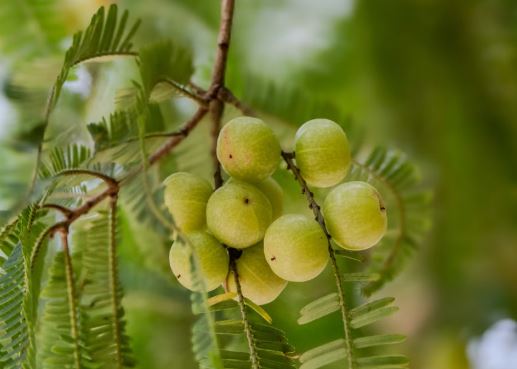
India’s traditional superfoods are increasingly moving from household kitchens to organised markets, creating new opportunities for farmers, women-led self-help groups and rural entrepreneurs.
In his recent Mann Ki Baat address, Prime Minister Narendra Modi highlighted the growing economic and nutritional significance of Amla and Moringa, pointing to how locally grown products can support livelihoods while contributing to efforts to improve nutrition.
The example of Pratapgarh in Uttar Pradesh highlights the business potential of value-added Amla products. The district has a strong association with Amla, and nearly 100 local processing units are engaged in products such as Amla candy, murabba, juice, pickles and digestive powder.
Women-led self-help groups are playing an important role in this emerging local-processing ecosystem. Groups such as the Savitri Phule Self-Help Group and Vindhyavasini Self-Help Group have been producing different Amla-based products, with access to processing equipment, credit and trade-fair opportunities helping them reach wider markets.
Turning Farm Produce Into Value
The growing Amla business demonstrates how food processing can create additional value beyond the sale of raw agricultural produce.
Processing, packaging and branding can give farmers and rural enterprises access to products with longer shelf life and potentially wider markets. It can also create employment opportunities in areas such as processing, packaging, logistics, retail and marketing.
The One District One Product (ODOP) initiative is supporting this broader approach by helping distinctive products from different districts gain access to larger domestic and international markets.
Moringa Adds to the Opportunity
Moringa is emerging as another traditional crop with potential across the value-added food sector.
Known locally as Munga in several parts of India, Moringa can be processed into products such as leaf powder and oil, creating possibilities beyond the sale of fresh leaves.
India’s growing engagement with international markets for processed agricultural products is also opening opportunities for producers who can meet quality, processing and export requirements.
Women’s Self-Help Groups Drive Local Enterprise
The Amla story also highlights the growing role of women’s self-help groups in rural businesses.
With access to finance, machinery, skills and markets, these groups can move beyond small-scale production towards more organised enterprises. Such activities can generate additional income while strengthening women’s participation in local economic activity.
From Local Produce to Market-Ready Brands
The next opportunity for traditional foods lies in building stronger value chains around them.
Better processing facilities, modern packaging, branding, digital commerce, quality certification and access to organised retail can help local products move beyond regional markets.
For businesses, this creates opportunities across the entire chain—from cultivation and aggregation to processing, packaging, distribution and exports.
Traditional Foods, Modern Business
The growing interest in Amla and Moringa reflects a larger opportunity within India’s rural economy: turning traditional agricultural products into modern, value-added businesses.
With stronger market linkages and appropriate investment, products that have traditionally been consumed within local communities can reach customers across India and overseas.
The development also reinforces the broader Vocal for Local approach by connecting local farmers and entrepreneurs with wider markets while creating new avenues for rural employment, women-led enterprise and food-processing growth.
