
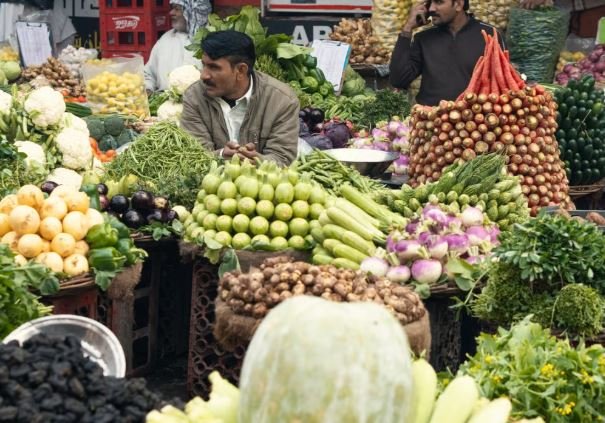
India’s organic food market is gaining momentum as consumers become more conscious of food quality, farming practices and sustainable agriculture. The growing interest in organic fruits, vegetables, grains, pulses and packaged food is opening new opportunities for farmers, retailers, food brands and entrepreneurs. However, the industry faces a major challenge: convincing consumers that the products they pay a premium for are genuinely organic. Building this trust will be essential to expanding the market, improving farmers’ incomes and creating sustainable business opportunities.
A Growing Market with Opportunities for Farmers
India has a strong agricultural base and a large number of farmers involved in organic production. With approximately 2.3 million organic producers, the country has significant potential to strengthen its position in the domestic and international organic food trade.
The market covers a wide range of products, including cereals, pulses, spices, fruits, vegetables and processed foods. As consumer interest increases, businesses are exploring new ways to source, package and sell organic products.
However, higher production does not always translate into higher earnings for farmers. Many small producers struggle to find reliable buyers and may have to sell their produce through conventional supply chains without receiving a better price.
Connecting farmers directly with retailers, food processors and consumers can help address this gap. Stronger market relationships can improve price realisation and encourage more farmers to consider organic cultivation.
Consumer Trust Remains the Biggest Challenge
Consumers are increasingly interested in organic food, but many remain uncertain about product authenticity. Labels such as natural, chemical-free and farm fresh can create confusion because they do not automatically mean that a product is certified organic.
When customers cannot verify how food is produced, where it comes from or whether it meets recognised standards, they may hesitate to pay a higher price.
This uncertainty also creates problems for genuine organic businesses. Companies that invest in responsible sourcing and quality control may find it difficult to compete with products making unclear or misleading claims.
For the industry, trust is not just a marketing advantage. It is essential for attracting repeat customers and building a reliable market.
How Organic Farming Can Improve Farmers’ Earnings
Organic farming can create better income opportunities, but farmers need the right support to make it commercially sustainable.
The transition may involve changes in cultivation methods, additional labour, organic inputs, documentation and certification. Some farmers may also experience changes in crop yields during the transition period.
Without dependable buyers, these additional efforts can become financially difficult.
Farmer Producer Organisations (FPOs), cooperatives and local farming groups can help small producers work together. Collective selling allows farmers to combine their produce, reduce individual marketing expenses and negotiate better terms with buyers.
Businesses can support this process by developing long-term sourcing arrangements with farmers. Such partnerships can provide more predictable demand while helping companies maintain consistent product quality.
Certification and Transparency Can Build Market Confidence
Certification is an important part of establishing credibility in the organic food industry.
India’s National Programme for Organic Production (NPOP), managed by APEDA, provides a recognised framework for organic certification. PGS-India also supports participatory organic certification, particularly for eligible domestic producers and local markets.
However, certification can be challenging for small farmers because of documentation, inspection, compliance requirements and associated costs.
Making the process easier through training, farmer groups and institutional support can encourage wider participation.
Food companies and retailers must also communicate clearly with customers. Product labels should provide understandable information about certification, sourcing and other relevant details. Honest communication can help consumers make informed purchasing decisions.
Technology Can Make Organic Food More Transparent
Technology is creating practical ways to improve transparency across the organic food supply chain.
QR codes on product packaging can help consumers access information about the farm, producer, certification and product journey, where verified details are available. This can make it easier for customers to understand what they are purchasing.
Digital records can also help businesses track procurement, manage inventory and maintain better communication with suppliers.
For farmers, these systems can improve their visibility in the market and help them connect with organised buyers.
However, technology alone cannot establish authenticity. The information must be accurate and supported by proper verification. Businesses that combine digital traceability with genuine quality checks can build stronger customer confidence.
New Business Opportunities in the Organic Food Sector
The expansion of India’s organic food market is creating opportunities across several parts of the food industry.
Organic food processing: Businesses can turn agricultural produce into packaged pulses, flour, spices, snacks and ready-to-cook products. Processing can increase product value and create additional demand for farmers.
Direct-to-consumer brands: Online platforms and dedicated organic food brands can connect producers with households. Direct selling can reduce dependence on multiple intermediaries and help businesses build closer customer relationships.
Retail and distribution: Supermarkets, speciality stores and local retailers can expand their organic product ranges. Reliable sourcing and transparent labelling can help attract customers.
Restaurants and food services: Hotels, cafés, restaurants and catering businesses can source organic ingredients to meet the preferences of customers who value food quality and responsible sourcing.
Packaging and logistics: Proper storage, packaging and transportation are important for maintaining product quality. Businesses offering these services can support farmers, processors and retailers.
These activities can also create employment in food processing, packaging, transportation, marketing and retail.
Making Organic Food More Affordable
Price remains a major barrier to wider organic food consumption in India.
Organic products may cost more because of additional labour, certification, separate handling, storage and distribution requirements. Limited supply and fragmented procurement systems can further increase costs.
This makes affordability an important business priority. If organic products remain accessible only to a small group of high-income consumers, the industry may struggle to reach a wider market.
Businesses can work towards reducing costs by improving procurement, building direct farmer partnerships, reducing food wastage and strengthening local distribution networks.
Offering different pack sizes can also help customers manage their spending. More efficient operations can make products accessible to a larger customer base while allowing farmers to receive fair returns.
What Farmers and Businesses Need to Do Next
The long-term growth of the organic food sector will depend on cooperation between farmers, businesses, certification bodies and policymakers.
Farmers need access to training, certification support, suitable inputs and dependable buyers. Working through FPOs and cooperatives can help smaller producers participate in organised markets.
Businesses should focus on genuine sourcing, consistent quality and clear product information. Instead of relying only on attractive packaging and marketing claims, they must demonstrate why customers can trust their products.
Investment in processing, storage, transportation and digital traceability can also improve supply-chain efficiency.
At the same time, awareness campaigns can help consumers understand organic certification and distinguish verified organic products from general natural or farm-fresh claims.
Building a More Trustworthy Organic Food Market
India’s organic food market has the potential to support farmers, encourage rural entrepreneurship and create new opportunities for food businesses. But increasing production alone will not be enough to achieve long-term growth.
Consumers need reliable information, farmers need fair prices and businesses need dependable supply chains. Addressing these priorities can help the industry move beyond a premium niche and reach a wider customer base.
Ultimately, consumer trust can become one of the strongest drivers of growth. When genuine organic products are easier to identify, reasonably priced and consistently available, farmers can gain better market opportunities and businesses can build lasting customer relationships.
