
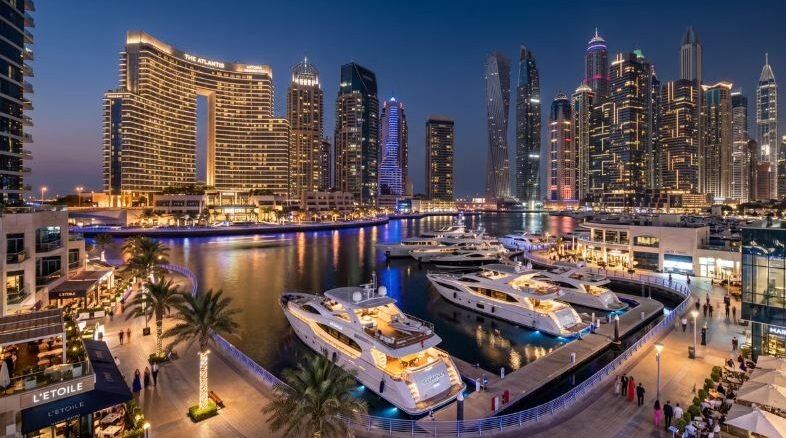
Dubai’s luxury tourism market is entering a new phase of growth, with superyachts, world-class marinas and premium hospitality experiences strengthening its position as a global destination for affluent travellers. The emirate is no longer relying only on iconic hotels, luxury shopping and major attractions to draw high-spending visitors. It is building a broader lifestyle economy in which private yacht experiences, waterfront dining, exclusive resorts, personalised travel and high-end residential developments work together to create greater economic value.
This shift reflects a wider change in luxury travel. Wealthy travellers increasingly seek privacy, convenience and experiences that feel personal rather than standard holiday packages. Dubai is responding by connecting its maritime infrastructure with hospitality, retail, entertainment and real estate. The result is an expanding business ecosystem that creates opportunities for investors, tourism operators, hospitality companies and service providers.
Superyachts Put Dubai on the Global Luxury Travel Map
The growth of the superyacht industry has become an important part of Dubai’s tourism strategy. Its location between Europe, Asia and Africa gives the emirate a natural advantage as a destination for international yacht owners and charter guests. Its modern infrastructure, high-end services and year-round tourism appeal also make it attractive to travellers seeking alternatives to traditional Mediterranean destinations.
Dubai’s maritime ecosystem has expanded considerably, with more than 8,400 registered vessels, around 20 operational marinas and thousands of berths. The charter market has also grown, reflecting rising demand for private cruises, family holidays, corporate gatherings and exclusive celebrations.
For the tourism industry, this growth goes well beyond yacht rentals. Every vessel creates demand for a network of supporting services, including maintenance, repair, fuel, crew management, catering, security, insurance and specialist marine equipment. Larger yachts also require more sophisticated technical support and specialised facilities, creating opportunities for companies with maritime expertise.
The arrival of wealthy residents and international investors adds another dimension to this market. Long-term residents who own or regularly charter yachts provide a more consistent customer base than seasonal visitors alone. This creates opportunities for businesses to develop recurring services rather than depend entirely on short-term tourist spending.
Modern Marinas Are Becoming Lifestyle and Business Destinations
Marinas are no longer simply places where boats are parked. In Dubai, they are increasingly being developed as integrated lifestyle destinations, bringing together waterfront residences, luxury hotels, restaurants, retail outlets and leisure facilities.
Dubai Harbour is a major example of this approach. With capacity for hundreds of vessels, including large superyachts, it demonstrates how maritime infrastructure can become part of a wider commercial and tourism destination. Such developments attract yacht owners while also drawing visitors who may come for dining, shopping, entertainment or waterfront experiences.
This integrated model creates value for several industries at once. A visitor arriving by yacht may spend on accommodation, restaurants, premium retail, private transport and entertainment. Hotels and restaurants benefit from access to affluent customers, while property developers can position waterfront residences around exclusive marina access and lifestyle facilities.
Initiatives connecting marinas with waterfront restaurants and other leisure businesses further strengthen this ecosystem. The concept of arriving by yacht for a dining or shopping experience makes marine tourism more accessible to visitors who may not own a vessel themselves.
For businesses, the commercial opportunity lies in creating services that connect these different customer touchpoints. Luxury transport providers, event organisers, hospitality operators and retail brands can all benefit from a stronger relationship with the maritime tourism sector.
Premium Hospitality Is Shifting Towards Personalised Experiences
Dubai’s luxury hospitality industry is also evolving. A high-end hotel room, premium dining and exclusive shopping remain important, but affluent travellers increasingly expect experiences that reflect their interests, schedules and personal preferences.
Hotels and resorts are therefore placing greater emphasis on customised services. Private wellness programmes, curated culinary experiences, yacht excursions, desert retreats and personalised entertainment are becoming important elements of luxury travel.
This approach changes how hospitality businesses compete. Instead of relying only on room quality or property size, operators must create memorable experiences that encourage guests to stay longer, spend more and return.
The opportunity extends beyond large hotel groups. Boutique hospitality businesses, wellness companies, private chefs, event planners and premium travel consultants can participate in this market by offering specialised services. Smaller businesses with strong service standards and distinctive experiences can also find opportunities through partnerships with established hotels and tourism operators.
For Dubai, experience-led hospitality can increase visitor spending across the wider economy. A luxury traveller may book accommodation but also purchase private transport, wellness services, entertainment, fine dining and customised excursions. This creates a more diverse revenue stream for the tourism industry.
Wealthy Visitors Are Supporting a Wider Luxury Business Ecosystem
The expansion of luxury tourism is closely connected to Dubai’s appeal as a place to live, invest and conduct business. The UAE’s ability to attract international entrepreneurs, investors and high-net-worth individuals supports demand for premium services throughout the year.
This distinction is important. A destination that depends only on holidaymakers may experience strong seasonal fluctuations. However, a growing population of affluent residents, business owners and long-term visitors can create more stable demand for yacht management, private aviation, luxury accommodation, exclusive retail and personal services.
The benefits also extend to the property market. Waterfront developments with marina access can attract buyers looking for residences that combine privacy, convenience and leisure. At the same time, commercial developments around marinas can benefit from increased demand for restaurants, retail spaces and hospitality facilities.
For investors, the opportunity is not limited to owning a hotel or yacht. Businesses involved in marine engineering, specialist maintenance, premium transportation, concierge services, event management and luxury property management can also participate in the expanding market.
Government Initiatives and Infrastructure Strengthen Dubai’s Tourism Strategy
Dubai’s luxury tourism growth is supported by long-term infrastructure development and policies designed to strengthen its position as an international business and leisure destination.
The Dubai Economic Agenda D33 aims to expand the emirate’s economy and reinforce its global competitiveness. Tourism, trade, investment and innovation remain important parts of this ambition. Continued investment in transport connectivity, waterfront developments, hospitality infrastructure and business-friendly regulations helps create an environment in which tourism-related enterprises can expand.
Industry training is another important factor. Luxury tourism depends heavily on service quality, and even the most impressive hotel or yacht cannot deliver a premium experience without skilled professionals. Training initiatives and partnerships between public authorities and hospitality companies help improve customer service, operational standards and workforce capabilities.
Dubai is also placing greater emphasis on attracting repeat visitors and building long-term relationships with affluent travellers. Exclusive tourism initiatives, personalised visitor services and residency opportunities can support this objective by encouraging visitors to return more frequently and spend more time in the emirate.
Opportunities for Investors and Small Businesses
Although luxury tourism is often associated with large hotels and expensive yachts, its growth creates opportunities for businesses of different sizes.
Marine maintenance companies, yacht catering providers, specialist cleaning services, premium transport operators and event management firms can serve the expanding maritime market. Meanwhile, boutique travel agencies, wellness providers, private dining businesses and concierge service companies can develop specialised offerings for affluent customers.
Technology is also becoming increasingly important. Digital booking systems, customer relationship management tools, yacht management software and personalised travel platforms can help businesses improve efficiency and deliver more responsive services.
However, entering this market requires careful planning. Luxury customers expect reliability, privacy, professional service and consistent quality. Businesses must also account for licensing requirements, skilled workforce costs, insurance, operational standards and the investment needed to maintain premium facilities.
Partnerships can provide a practical entry point. Smaller businesses may find it more sustainable to work with established hotels, marina operators, yacht charter companies and travel consultants rather than build an expensive customer network independently.
Challenges: Maintaining Growth in a Competitive Global Market
Dubai’s expanding luxury tourism sector also faces challenges. Competition from established international destinations means that the emirate must continue improving the quality and distinctiveness of its visitor experiences.
Geopolitical uncertainty and regional travel disruptions can influence international travel decisions, while changes in global wealth, consumer confidence and aviation connectivity may affect demand. High operating costs, access to skilled employees and the need for specialised infrastructure can also place pressure on businesses.
Sustainability is becoming another important consideration. Large yachts, luxury resorts and waterfront developments require significant energy and resource consumption. Improving waste management, adopting efficient technologies, protecting marine environments and investing in responsible operations will become increasingly important to the industry’s long-term reputation.
Businesses that balance premium service with operational efficiency and environmental responsibility are likely to be better positioned as customer expectations evolve.
The Future of Dubai’s Luxury Tourism Market
Dubai’s luxury tourism market is increasingly defined by the connection between maritime experiences, premium hospitality, waterfront development and personalised services. Superyachts bring affluent travellers and high-value spending, modern marinas create commercial destinations, and luxury hotels turn short visits into broader lifestyle experiences.
The wider economic impact is equally significant. Growth in this segment supports employment, attracts investment, strengthens the property and retail sectors and creates opportunities for specialist businesses across the tourism supply chain.
The next phase of expansion will depend not simply on building more luxury facilities, but on how effectively Dubai connects them into a seamless visitor experience. For investors and businesses, the opportunity lies in serving the growing demand for privacy, convenience, quality and personalised experiences.
As Dubai continues to develop its position as a global luxury destination, its superyacht and hospitality industries are becoming more than symbols of exclusivity. They are emerging as important contributors to the emirate’s wider tourism economy
