
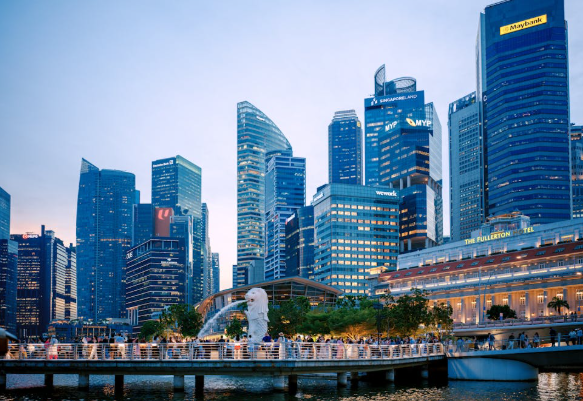
Singapore’s tourism industry is entering a new phase of growth, with premium travel, international business events and high-value visitor experiences strengthening the country’s position as one of Asia’s leading tourism destinations. As visitor spending rises and demand for quality hospitality expands, the sector is creating opportunities across hotels, restaurants, event management, retail, transport and tourism-related services.
Singapore’s tourism sector is increasingly being shaped by a shift in traveller expectations. Visitors are no longer choosing destinations solely for sightseeing; many are looking for distinctive experiences, premium accommodation, cultural attractions, entertainment and opportunities to combine business with leisure. This change is encouraging hospitality operators to rethink their offerings and invest in experiences that deliver greater value to visitors.
The scale of this opportunity is reflected in the country’s tourism performance. Singapore welcomed approximately 16.9 million international visitors in 2025, while tourism receipts reached a record S$32.8 billion, marking a 10% increase from the previous year. The growth in visitor spending highlights the importance of attracting travellers who contribute meaningfully to the wider economy rather than focusing on arrival numbers alone.
For businesses, this creates a broader commercial opportunity. From luxury hotels and premium restaurants to exhibition organisers, travel technology providers and destination experience companies, the tourism economy is supporting demand across an increasingly interconnected range of industries.
1. Premium Travel Is Raising Expectations Across the Hospitality Sector
The growing demand for premium travel is influencing how Singapore’s hospitality industry positions itself in the international market. Affluent travellers are showing greater interest in personalised services, distinctive accommodation, fine dining, wellness experiences and convenient access to entertainment and cultural attractions.
This trend is encouraging hotels to move beyond traditional accommodation services. Luxury properties are investing in tailored guest experiences, upgraded facilities, curated dining concepts and partnerships with local attractions. The objective is to build stronger customer relationships while encouraging visitors to spend more during their stay.
The shift also benefits businesses operating beyond the hotel industry. Premium tourism supports demand for private transport, destination management, luxury retail, personal concierge services, wellness centres and specialised travel experiences. Smaller businesses can participate by developing niche services that complement the offerings of established hospitality brands.
2. MICE Tourism Is Becoming a Major Growth Engine
Meetings, incentives, conferences and exhibitions (MICE) are playing an increasingly important role in Singapore’s tourism economy. The country has built a strong reputation as a business events destination through its international connectivity, modern convention facilities, established infrastructure and business-friendly environment.
The financial contribution of this segment is becoming more significant. MICE tourism receipts increased by more than 35% in 2025 to reach approximately S$2.3 billion, compared with S$1.7 billion in 2024. This growth reflects the continued demand for international conferences, industry exhibitions, corporate meetings and incentive travel programmes.
Unlike conventional leisure tourism, business events generate activity across several sectors simultaneously. Delegates require hotel accommodation, dining, transport, event production, technical support and other professional services. Many also extend their visits for leisure, creating additional demand for attractions, shopping and entertainment.
This presents opportunities for event management companies, exhibition contractors, audiovisual specialists, catering businesses, technology providers and destination service operators. Small and medium-sized enterprises can also benefit by supplying event materials, providing logistics support or partnering with larger organisers.
3. Hotels Are Investing in Experience-Led Hospitality
Singapore’s hotel industry is adapting to a market in which visitors increasingly value the overall experience rather than accommodation alone. Competition is encouraging operators to differentiate themselves through service quality, design, dining, wellness facilities and access to local experiences.
Luxury and lifestyle hotels are particularly well placed to benefit from premium travel and business tourism. However, the opportunity is not limited to high-end properties. Mid-market hotels, serviced residences and boutique accommodation providers can also attract demand by offering convenience, flexible services and a clear value proposition.
Technology is becoming an important part of this transition. Digital check-ins, personalised booking services, smart room features and data-led guest management can help hotels improve operational efficiency and understand customer preferences. These investments can support better service delivery while helping operators manage staffing, energy and maintenance costs.
For suppliers and service providers, the expansion of experience-led hospitality creates demand for interior design, facility management, food services, hotel technology, housekeeping solutions and sustainable operating systems.
4. International Events Are Strengthening Singapore’s Global Appeal
Major sporting competitions, concerts, exhibitions and cultural programmes are helping Singapore maintain its visibility as an international destination. Such events attract visitors who may otherwise have limited reasons to travel, while creating opportunities for hotels, restaurants, retailers and entertainment businesses.
The Singapore Grand Prix remains an important example of how a major international event can generate activity across the tourism ecosystem. Beyond ticket sales, events of this scale support hotel bookings, restaurant reservations, transport services, merchandise sales and destination marketing.
The wider opportunity lies in building a calendar of events that appeals to different visitor groups throughout the year. For businesses, a consistent programme of international and regional events can provide more predictable demand and encourage investment in new tourism products.
5. Aviation and Cruise Connectivity Support Visitor Growth
Singapore’s position as a regional aviation and cruise hub remains central to its tourism strategy. Strong international connectivity makes the country accessible to visitors from established and emerging travel markets, while supporting its appeal as a destination for short breaks, extended holidays and business travel.
Changi Airport’s passenger traffic and the expansion of cruise tourism also create commercial opportunities beyond transportation. Hotels, restaurants, travel agencies, retail outlets, tour operators and local experience providers benefit from the movement of international visitors.
Cruise tourism is particularly relevant because passengers often require pre- and post-cruise accommodation, dining, shopping and sightseeing services. Businesses that can package these services into convenient travel experiences may be able to capture a larger share of visitor spending.
6. Tourism 2040 Is Creating a Longer-Term Investment Opportunity
Singapore’s Tourism 2040 strategy provides a longer-term direction for the industry’s development. The country aims to increase annual tourism receipts to between S$47 billion and S$50 billion by 2040, while strengthening its position as a destination for high-value leisure travel and international business events.
The strategy places emphasis on developing distinctive experiences, reaching new visitor markets and improving the capabilities of tourism businesses. An additional S$740 million has also been allocated to the Tourism Development Fund over five years to support the sector’s future growth.
For businesses and investors, this creates a clearer environment for long-term planning. Opportunities may emerge in hospitality development, tourism technology, destination marketing, event infrastructure, premium travel services and workforce training.
However, growth will depend on more than expanding capacity. Businesses will need to understand changing visitor expectations, maintain service standards and invest in offerings that distinguish Singapore from competing destinations.
7. Sustainability and Service Quality Will Shape Future Competitiveness
As tourism activity expands, sustainability is becoming an important consideration for hospitality operators. Hotels, attractions and travel companies are under growing pressure to manage energy consumption, reduce waste, use resources responsibly and incorporate more sustainable practices into their operations.
These measures are not simply about environmental commitments. They can also improve cost management, strengthen brand reputation and appeal to travellers who increasingly consider sustainability when choosing accommodation and experiences.
At the same time, service quality will remain a decisive factor. Singapore’s ability to attract repeat visitors and higher-spending travellers will depend on consistent hospitality standards, efficient transport, well-managed attractions and experiences that offer genuine value.
For smaller tourism businesses, adopting sustainable practices and improving digital capabilities can help them remain competitive while meeting the expectations of larger hospitality partners and international visitors.
Business Opportunities Across the Tourism Value Chain
The expansion of premium travel and MICE tourism is creating opportunities well beyond traditional hotels and tour operators. Businesses involved in event technology, catering, transport, travel platforms, digital marketing, wellness, retail and hospitality support services can all participate in the sector’s growth.
For SMEs, the most practical opportunities may lie in specialised services rather than large-scale infrastructure investments. Providing customised travel experiences, supporting corporate events, developing digital booking solutions or supplying sustainable products to hotels can offer entry points into the wider tourism ecosystem.
Established companies, meanwhile, can explore partnerships, expand their premium offerings and use customer data to improve service delivery. The ability to connect with hotels, event organisers, travel agencies and destination operators will become increasingly valuable.
A More Experience-Driven Future for Singapore Tourism
Singapore’s tourism industry is moving beyond a volume-driven model towards one that places greater emphasis on visitor spending, quality experiences and long-term economic contribution. Premium travel and business events are strengthening this transition, supporting demand across hospitality, retail, transport, food services and professional businesses.
The record tourism receipts achieved in 2025 provide a strong foundation, but sustaining that momentum will require continued investment, innovation and a clear understanding of changing traveller preferences. Competition from other regional destinations will also make service quality, distinctive experiences and operational efficiency increasingly important.
For businesses, the opportunity is to look beyond the arrival of more tourists and understand how visitors spend, what experiences they value and which services remain underserved. Companies that respond to these changing expectations will be better positioned to participate in Singapore’s next phase of tourism growth.