
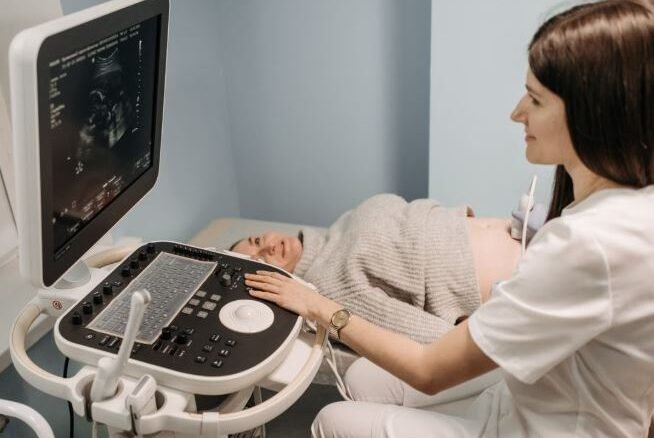
Women’s healthcare in India is receiving growing attention as more women seek reliable information, specialised medical support and convenient ways to manage their health. For many years, issues such as menstrual disorders, PCOS, endometriosis, fertility challenges and menopause have not received the attention they deserve. Today, changing social attitudes, greater health awareness and wider access to digital technology are helping bring these concerns into everyday healthcare conversations. This shift is creating opportunities for FemTech, a growing sector that combines technology, medical services and consumer healthcare products to address women’s specific health needs. Beyond its commercial potential, this development could make a meaningful difference to early diagnosis, preventive care and access to treatment for women across the country.
1. FemTech Is Bringing Women’s Health into the Mainstream
India’s FemTech market is developing around a large population with diverse and often unmet healthcare needs. Increasing smartphone use and greater awareness of personal health are encouraging consumers to explore digital health platforms, specialised products and online consultations. Market estimates suggest considerable growth potential, although projections differ depending on the research methodology and market definition used.
For healthcare businesses, this growing interest creates an opportunity to develop services that respond to real medical and wellness concerns. Instead of offering general health information, companies can focus on specific areas such as menstrual care, hormonal health, reproductive wellness and preventive screening. The wider health impact could be significant if these services help women recognise symptoms earlier, access qualified professionals and make more informed decisions about their healthcare.
2. Menstrual Health Innovation Is Improving Awareness and Access
Menstrual health is one of the most visible areas of FemTech innovation. New products and services are moving beyond conventional hygiene essentials to include biodegradable period-care products, personalised menstrual support and educational platforms. Digital resources can also help women understand menstrual cycles, recognise unusual symptoms and find reliable information about reproductive health.
The health benefits go beyond product convenience. Better menstrual education can help reduce misinformation and encourage women to seek medical advice when they experience persistent pain, irregular cycles or other concerning symptoms. For businesses, this category offers opportunities through product development, educational content and repeat-purchase models. Companies that combine product quality with accurate health information can build consumer trust while contributing to a more informed approach to menstrual care.
3. Digital Healthcare Is Addressing PCOS and Hormonal Disorders
PCOS and other hormonal conditions can affect menstrual health, fertility and overall wellbeing. Women managing these conditions may require ongoing medical consultations, lifestyle guidance and follow-up care rather than a single appointment. However, access to specialised support can be difficult for people who live far from major healthcare centres or have limited time to attend regular consultations.
Digital healthcare platforms can help bridge some of these gaps by connecting patients with qualified professionals and providing structured follow-up support. Businesses can develop services that combine teleconsultations, health education and personalised care plans under appropriate medical supervision. The potential health impact includes improved access to guidance and greater continuity of care. However, digital tools should support, not replace, clinical diagnosis and treatment by qualified healthcare professionals.
4. Fertility and Maternal Care Are Creating New Healthcare Possibilities
Fertility and pregnancy care are becoming important areas for FemTech development. Digital ovulation tracking, virtual fertility consultations and pregnancy support platforms can help women access information throughout different stages of reproductive health. Services covering pregnancy and postpartum recovery can also provide guidance during periods when women may need additional medical and emotional support.
These innovations offer businesses opportunities to develop connected healthcare services rather than isolated products. Companies can work with fertility specialists, maternity clinics and healthcare professionals to create services that support patients over longer periods. From a health perspective, accessible information and timely professional guidance can help women understand their options and navigate care more confidently. Medical claims must remain evidence-based, particularly in fertility services, where consumers may be vulnerable to unrealistic promises.
5. Preventive Diagnostics Can Help Identify Health Problems Earlier
Preventive diagnostics is another important area where technology can improve women’s healthcare. Anaemia, hormonal disorders and other health conditions may remain undetected when women have limited access to routine screening. More accessible testing options, including appropriate home-testing and point-of-care solutions, could make it easier for women to seek initial assessments and obtain medical follow-up.
For healthcare businesses, this creates opportunities in diagnostic technology, testing services and partnerships with laboratories and clinics. However, convenience must be supported by accuracy, quality controls and professional interpretation of results. A screening tool should not be presented as a definitive diagnosis unless it has been validated for that purpose. When testing is linked to appropriate medical advice and treatment pathways, it can support earlier intervention and more informed healthcare decisions.
6. Menopause and Long-Term Women’s Wellness Need Greater Attention
Women’s healthcare does not end with reproductive health. Menopause and the years surrounding it can involve changes in sleep, bone health, mood and general wellbeing. Yet many women have limited access to clear information and specialised support for managing these changes. This creates an opportunity for healthcare providers and technology companies to develop services that address health needs across different stages of life.
Digital education, specialist consultations and evidence-based wellness programmes can help women better understand these changes and seek appropriate medical support. Businesses can develop dedicated services for menopause education, symptom management and preventive health. The wider benefit is a more complete approach to women’s healthcare, where medical needs are recognised throughout adulthood rather than concentrated only on menstruation, pregnancy and fertility.
7. Affordability and Social Awareness Will Shape Market Growth
Despite increasing interest in FemTech, affordability remains a major challenge. Many households have to balance healthcare spending with other essential expenses, making it difficult for consumers to pay regularly for specialised products or preventive services. Social stigma can create additional barriers, particularly around menstruation, sexual health, fertility and menopause. Some women may avoid seeking help because they feel uncomfortable discussing personal health concerns.
Businesses need to respond with transparent pricing, accessible service packages and communication that reflects local languages and cultural expectations. Educational partnerships with clinics, employers and community organisations can also help make reliable information more widely available. This approach can support commercial growth while encouraging women to seek appropriate care without embarrassment or unnecessary financial pressure.
8. Combining Digital Platforms with Physical Healthcare Can Expand Access
Digital healthcare offers convenience, but an app alone cannot address every medical need. Women may still require physical examinations, laboratory testing, specialist consultations and ongoing treatment. Access to smartphones, internet services and healthcare infrastructure also varies across India’s cities, towns and rural communities.
A hybrid model can help address these limitations by connecting digital platforms with local clinics, diagnostic centres and qualified medical professionals. Businesses can use technology for appointment booking, education and follow-up while ensuring that patients can access in-person care when necessary. This approach may help FemTech companies reach underserved communities and build stronger healthcare networks. It also recognises an important reality: successful healthcare innovation must be accessible, clinically reliable and suitable for the people it intends to serve.
9. Building Trust and Responsible Innovation Will Be Essential
Women’s health information is highly personal, making privacy and responsible data management essential for FemTech companies. Digital platforms may collect information about menstrual cycles, fertility, medical history and other sensitive health matters. Customers need confidence that their information will be handled securely and that their data will not be used in ways they have not agreed to.
Healthcare businesses must also ensure that their products and services are supported by appropriate medical expertise. Clear communication about the limitations of digital tools, transparent privacy practices and responsible health claims can help build long-term confidence. For investors and entrepreneurs, trust should be treated as a fundamental part of the business model, not simply a marketing advantage. Companies that combine innovation with clinical responsibility are better placed to develop lasting relationships with patients and healthcare partners.
Conclusion
FemTech is creating an important opportunity to improve women’s healthcare in India while opening new possibilities for medical businesses and technology startups. Innovations in menstrual health, PCOS management, fertility support, maternal care and preventive diagnostics can help address long-standing gaps in awareness and access. However, lasting progress will depend on affordability, reliable medical guidance, data privacy and services that reach women beyond major urban centres. Businesses that combine technology with qualified healthcare support and a clear understanding of women’s needs can contribute to a stronger healthcare ecosystem. Ultimately, the success of India’s FemTech market should be measured not only by its commercial growth but also by how effectively it improves women’s health, confidence and access to quality care.
