
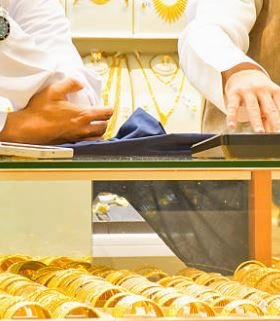
The Dubai gold trade industry is gaining further international attention as the emirate expands its influence across the global precious metals market. Its strategic location, established trading networks and well-developed commercial infrastructure have helped Dubai become an important destination for businesses involved in gold sourcing, refining, distribution and retail.
The scale of this growth is reflected in its foreign gold trade, which reached approximately AED 1 trillion ($272 billion) in 2025, registering a 60% increase from the previous year. Dubai is estimated to account for around 13% to 15% of globally traded physical gold, placing it among the world’s leading bullion trading centres.
The emirate is now looking beyond traditional gold trading to develop a more connected industry. Investments in refining, secure storage, financing, jewellery manufacturing and digital solutions are helping broaden the sector’s commercial potential. These developments are also opening opportunities for international companies seeking access to established markets across the Middle East, Africa, Europe and Asia.
Dubai Gold Market Growth: Strengthening Its International Trade Network
Dubai’s position in the global gold market is closely linked to its ability to connect gold-producing countries with major consumer markets. Its trading network provides access to suppliers across Africa and other producing regions while maintaining strong commercial links with India and other Asian economies.
The availability of international transport connections, specialised trading services and financial facilities has made the emirate an attractive location for precious metals businesses. Traders benefit from an established commercial environment that supports sourcing, distribution and cross-border transactions.
The next phase of development is focused on strengthening different parts of the gold supply chain. Through its Dubai Gold Strategy, the emirate aims to improve market connectivity, expand industry infrastructure and attract investment across refining, storage, financing and retail.
This approach is significant for businesses because the gold industry involves much more than buying and selling bullion. Refining, quality testing, transportation, secure storage, insurance and financial services are equally important to maintaining an efficient trading ecosystem.
Dubai Gold Strategy: Expanding the Industry Beyond Traditional Trading
The Dubai Gold Strategy reflects the emirate’s ambition to strengthen its position across the entire precious metals value chain. Its focus extends from international sourcing and refining to financing, storage, pricing, retail and emerging digital applications.
Improving connections between international suppliers, refiners and buyers is a major part of this approach. Better coordination across these activities can help businesses manage transactions, strengthen supply-chain efficiency and access new commercial opportunities.
Infrastructure development is another important priority. Greater storage capacity, specialised facilities and improved access to institutional financing can support larger trading operations and attract companies looking for a reliable base for international business.
The strategy also recognises the importance of technology and modern market services. As global gold trading becomes more sophisticated, businesses increasingly require transparent pricing, reliable documentation and efficient transaction systems.
For Dubai, developing these capabilities is essential to attracting long-term investment and maintaining its competitiveness in the international bullion market.
Stronger Regulations and Responsible Gold Sourcing Build Market Confidence
Transparency and responsible sourcing have become important considerations for the international gold industry. Buyers, refiners and financial institutions increasingly expect businesses to demonstrate where their gold originates and whether sourcing practices meet recognised standards.
The UAE is strengthening its regulatory framework to improve the quality, credibility and accountability of the domestic gold industry.
The UAE Standard for Good Delivery establishes technical, physical quality and certification requirements for gold produced by recognised refining facilities. It also supports the wider objective of strengthening responsible sourcing and improving confidence in UAE-refined gold.
Additional measures include dedicated bullion market governance and a centralised database covering businesses and individuals involved in gold trading. These initiatives are intended to improve oversight, strengthen compliance and create a more transparent trading environment.
For international companies, a stronger regulatory framework can support commercial relationships with global buyers and financial institutions. It can also help UAE-based refiners and traders compete in markets where supply-chain transparency and quality assurance are increasingly important.
Dubai Gold District Creates New Opportunities for Jewellery and Bullion Businesses
The development of the Dubai Gold District is another important step in expanding the emirate’s precious metals industry. The destination brings together different segments of the gold and jewellery business, including wholesale trading, retail, manufacturing and investment-related activities.
The presence of established jewellery brands such as Malabar Gold and Diamonds, Tanishq, Jawhara Jewellery and Joyalukkas reflects the strength of Dubai’s jewellery retail market.
Plans for distinctive attractions, including Gold Street, further demonstrate the emirate’s intention to combine commercial activity with tourism and consumer experiences.
For businesses, a dedicated gold district offers opportunities to build stronger relationships with suppliers, manufacturers, distributors and customers. Jewellery retailers can benefit from access to established commercial networks, while manufacturers and wholesalers can explore new distribution channels.
The development also strengthens Dubai’s appeal to international jewellery brands seeking to establish or expand their presence in the Middle Eastern market.
UAE-India Trade Relations Strengthen International Gold Connectivity
Trade relations between the UAE and India remain an important part of Dubai’s gold market development. India is one of the world’s largest gold-consuming markets, supported by strong demand for jewellery, investment products and precious metals.
The UAE-India Comprehensive Economic Partnership Agreement (CEPA) has provided a framework for expanding bilateral trade and improving commercial cooperation. Its provisions offer opportunities for eligible businesses involved in gold and jewellery trade, subject to applicable tariff conditions and rules of origin.
Dubai’s location between gold-producing regions and major consumer markets gives traders an important advantage. Indian manufacturers, wholesalers and exporters can use the emirate’s established business networks to strengthen sourcing and distribution relationships.
Similarly, UAE-based companies can explore opportunities in India’s jewellery and precious metals market through established trade channels.
This commercial relationship supports businesses across several segments, including bullion supply, jewellery manufacturing, logistics, financial services and international distribution.
DMCC Strengthens Dubai’s Precious Metals Business Ecosystem
The Dubai Multi Commodities Centre (DMCC) plays an important role in supporting the emirate’s international commodities trade. Its business ecosystem provides a platform for companies involved in precious metals, diamonds, gemstones and other international trading activities.
The concentration of specialised businesses creates opportunities for traders, suppliers, manufacturers and service providers to develop commercial relationships within an established marketplace.
Financial and operational infrastructure is equally important to the industry’s growth. Gold trading requires secure transportation, insured storage, inventory management, trade financing and dependable transaction settlement.
As Dubai continues to strengthen these services, businesses can benefit from a more comprehensive environment for managing international gold transactions. Improved access to institutional financing and secure storage facilities could also support larger trading operations and encourage further investment.
Technology Is Changing the Way Dubai’s Gold Industry Operates
Digital technology is gradually transforming the way businesses manage precious metals trading and distribution. Companies are increasingly using digital platforms to monitor inventory, maintain transaction records, track shipments and improve supply-chain visibility.
For Dubai, technological development offers an opportunity to make gold trading more efficient while strengthening transparency across the industry.
Digital documentation, automated compliance systems and improved transaction monitoring can help businesses reduce administrative work and manage operational risks. Digital representations of physical gold assets are also attracting attention, although they require appropriate regulatory oversight, secure custody arrangements and clearly established ownership rights.
The growing use of technology is creating opportunities for financial technology companies, software providers and specialised service businesses. Companies that combine industry knowledge with digital capabilities could become valuable partners in Dubai’s evolving gold ecosystem.
Business and Investment Opportunities in Dubai’s Gold Market
The expansion of the Dubai gold market is creating opportunities beyond conventional bullion trading. As the industry develops, demand is likely to extend across manufacturing, logistics, professional services and technology.
Gold refining and processing: Businesses with specialised equipment and technical expertise can explore opportunities in refining, quality testing and certification as demand for quality-assured bullion grows.
Bullion trading and distribution: International traders can use Dubai’s established networks to connect suppliers with jewellery manufacturers, investors and institutional buyers.
Jewellery manufacturing and retail: The growing commercial ecosystem offers opportunities for jewellery designers, manufacturers, wholesalers and international retail brands seeking access to regional customers.
Secure logistics and storage: Gold transportation, vault management, insurance and inventory security remain essential services for businesses handling valuable precious metals.
Financial and professional services: Banking, trade finance, auditing, compliance and risk management services can benefit from increasing international trading activity.
Small and medium-sized enterprises can also identify opportunities in specialised areas such as jewellery design, digital inventory management, distribution and business support services. These segments may offer more accessible entry points than capital-intensive bullion trading and refining operations.
Challenges That Could Influence Dubai’s Gold Market Growth
Despite its expanding international presence, the gold industry faces several challenges that businesses must consider.
Changes in international gold prices can influence trading margins, inventory valuations and consumer purchasing decisions. Companies also need to manage currency fluctuations, financing expenses and changing demand across major markets.
Responsible sourcing and regulatory compliance are becoming increasingly important. Businesses must maintain appropriate documentation, verify suppliers and ensure their operations meet applicable domestic and international requirements.
Competition from other established international bullion centres also makes continued investment necessary. Dubai will need to maintain high standards across infrastructure, financial services, market governance and supply-chain transparency to preserve its competitive position.
For smaller companies, the cost of secure storage, insurance, working capital and compliance can create additional barriers to entering the market.
Conclusion
Dubai’s gold industry is gradually developing into a broader international business ecosystem that extends beyond physical bullion transactions. Its growing focus on refining, responsible sourcing, jewellery manufacturing, financial infrastructure and technology reflects a long-term ambition to strengthen its influence across the global precious metals market.
The AED 1 trillion foreign gold trade recorded in 2025 highlights the scale of the emirate’s expanding commercial activity. However, sustaining this growth will depend on maintaining international confidence, improving operational efficiency and attracting investment across different parts of the supply chain.
For international traders, jewellery manufacturers, investors and service providers, Dubai offers access to an established commercial network connecting important gold-producing and consuming markets.
As infrastructure expands and regulatory standards continue to develop, the Dubai gold trade industry is expected to remain an important contributor to the emirate’s international trade ambitions, creating further opportunities for businesses across the global precious metals sector.
