
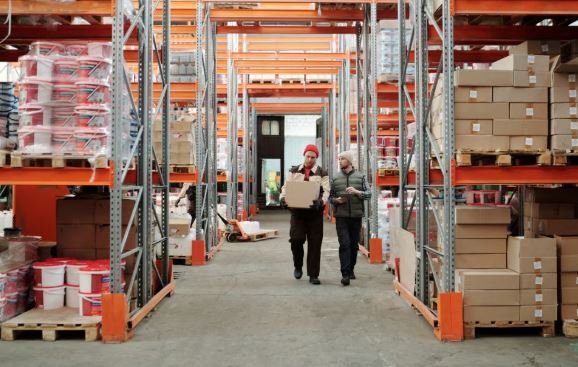
Technology is changing the way goods are transported, stored and delivered across Illinois. From artificial intelligence (AI) and predictive analytics to warehouse automation and real-time freight tracking, digital solutions are helping logistics companies improve efficiency, reduce operating costs and build more reliable supply chains.
Illinois has a significant advantage in this transformation. Chicago’s position as a major transportation and distribution centre, combined with its concentration of logistics businesses and technology providers, makes the state an important market for supply chain innovation. As companies face pressure from rising transportation costs, labour constraints and growing customer expectations, investment in logistics technology is becoming an increasingly important business priority.
For manufacturers, retailers, freight operators and distribution companies, the shift is about more than adopting new software. It is about making supply chain operations faster, more predictable and commercially sustainable.
AI in Logistics: Making Illinois Supply Chains Smarter
Artificial intelligence is becoming an important tool for logistics companies seeking to make better decisions using operational data. Freight businesses generate large volumes of information from vehicle sensors, shipment records, warehouse systems and delivery networks. AI can analyse this information to identify patterns, forecast potential disruptions and help managers respond more quickly.
Chicago-based technology company Uptake uses AI and machine learning to analyse telematics data and predict possible mechanical failures in trucks, railcars and heavy equipment. This approach allows operators to identify maintenance requirements before equipment breakdowns interrupt operations.
The commercial benefits can be significant. Unplanned vehicle downtime can delay deliveries, increase repair expenses and affect customer relationships. Predictive maintenance gives fleet operators an opportunity to plan repairs, improve equipment utilisation and manage maintenance budgets more effectively.
Supply chain visibility platforms are also using automation to simplify logistics planning. Project44, for example, is associated with digital tools that improve shipment visibility and automate parts of supply chain information management. Virtual assistants and data-cleansing capabilities can help reduce repetitive administrative work and give logistics teams more time to manage operational exceptions.
For Illinois businesses operating across multiple transportation networks, better data visibility can support faster decisions and more coordinated freight movement.
Warehouse Automation and AI Improve Inventory Management
Warehouse efficiency has become a major competitive factor as retailers and e-commerce businesses face increasing pressure to deliver orders quickly and accurately.
Traditional inventory management often involves manual processes, fragmented records and periodic stock checks. AI-powered warehouse management systems can improve this process by analysing inventory levels, order volumes and demand patterns in real time.
Logiwa is among the technology platforms associated with AI-enabled warehouse management. Its systems can help businesses forecast demand, monitor stock availability and prioritise orders according to fulfilment requirements and shipping deadlines.
For businesses, improved inventory management can help address two costly problems: excess stock and product shortages. Holding too much inventory ties up working capital and increases storage expenses, while insufficient stock can lead to lost sales and delayed orders.
Automated order prioritisation can also improve warehouse productivity by helping employees focus on shipments with tighter delivery deadlines. When combined with other warehouse technologies, these systems can support more efficient use of labour, storage space and equipment.
The result is a distribution operation that can respond more effectively to changing customer demand.
Real-Time Freight Tracking and Transportation Management
Transportation is one of the largest expenses for many supply chain businesses. Fuel prices, driver availability, carrier rates, delivery schedules and unexpected delays all influence the cost of moving goods.
Digital freight management platforms are helping companies gain greater control over these variables. Chicago-based Echo operates in the technology-enabled freight management sector, where digital systems can support carrier selection, shipment tracking, rate management and compliance processes.
Real-time shipment visibility allows businesses to monitor freight movements and identify potential delays earlier. This can improve communication between shippers, carriers and customers while giving managers more time to adjust delivery plans.
AI-driven transportation optimisation can also help companies evaluate carrier options and make more informed decisions about freight procurement. Automated documentation and reporting may reduce administrative workloads, particularly for businesses managing large shipment volumes.
For Illinois, where road, rail and distribution networks play a central role in the movement of goods, improved transportation management can strengthen the state’s competitiveness as a national logistics hub.
Computer Vision and Smart Yard Management
Warehouse operations do not stop at the loading dock. Distribution centres must also coordinate trucks, trailers, containers and equipment moving through their yards.
Poor coordination can lead to vehicle queues, delayed loading and inefficient use of available space. These problems can increase labour expenses and slow the movement of shipments through distribution facilities.
Computer vision and camera-based monitoring systems are helping logistics operators improve visibility across these operations. Technology providers such as FourKites are associated with solutions that use digital data and automated monitoring to support trailer tracking and yard management.
By improving the identification and movement of vehicles and equipment, these technologies can help operators coordinate gate activity, loading schedules and trailer availability more efficiently.
For distribution businesses, reducing waiting times can improve asset utilisation and help prevent avoidable operational delays. Even relatively small improvements in yard efficiency can matter when facilities handle high volumes of freight every day.
Last-Mile Delivery Technology and the Future of Logistics
The final stage of delivery remains one of the most challenging parts of supply chain management. Delivering goods to individual homes and businesses involves traffic conditions, delivery density, route planning and customer availability.
Technology is creating new ways to manage these challenges. Route optimisation software, real-time delivery tracking and automated scheduling can help businesses plan more efficient delivery operations.
Autonomous delivery vehicles and drones are also attracting interest as emerging last-mile solutions. Academic and industry networks in regional Illinois communities, including the Elmhurst area, have explored automated delivery concepts and related applications.
However, wider commercial use depends on practical considerations such as safety, regulation, infrastructure and operating costs. These technologies should therefore be viewed as developing opportunities rather than established solutions across the state’s delivery industry.
For logistics companies, the immediate opportunity is to combine better route planning, digital tracking and efficient delivery coordination to reduce the cost of serving customers.
Business Impact: How Logistics Technology Reduces Costs and Improves Profitability
The growing adoption of logistics technology in Illinois has important implications for business performance. Companies are increasingly evaluating digital investments based on their ability to improve productivity, control expenses and strengthen customer service.
1. Lower transportation and maintenance costs
Predictive maintenance can help fleet operators identify potential equipment problems before they cause expensive breakdowns. Better freight planning and carrier selection can also support more efficient transportation spending.
2. Improved inventory and working-capital management
AI-based demand forecasting can help businesses avoid unnecessary stock accumulation while reducing the risk of shortages. This can free up working capital and improve purchasing decisions.
3. Higher warehouse productivity
Automated inventory monitoring and order prioritisation can reduce repetitive tasks and improve fulfilment efficiency. Businesses may be able to handle changing order volumes more effectively with their available resources.
4. Better customer experience
Real-time shipment tracking and more accurate delivery information allow businesses to communicate more effectively with customers. Fewer unexpected delays and improved order visibility can support customer retention.
5. New opportunities for technology investment and employment
The expansion of logistics technology creates demand for software development, data analytics, automation, equipment maintenance and specialised supply chain services. This can support the wider business ecosystem around Chicago and other Illinois logistics centres.
For smaller operators, adopting technology does not necessarily require a complete transformation of their business. Targeted investments in fleet tracking, warehouse software or automated documentation can offer a practical starting point.
Challenges Facing Technology Adoption in Illinois Logistics
Despite the benefits, introducing new technology into supply chain operations requires careful planning.
One major challenge is integration. Many logistics businesses still rely on older warehouse, transportation and enterprise systems. Connecting these platforms with modern AI and automation tools can involve substantial investment and technical work.
Data quality is equally important. Predictive analytics and AI systems depend on accurate, consistent information. Incomplete shipment records, disconnected databases and outdated inventory information can affect the reliability of automated recommendations.
Cybersecurity is another growing concern. Logistics networks connect suppliers, carriers, warehouses and customers, creating multiple points where sensitive operational and commercial information must be protected.
Smaller businesses may also face barriers related to software costs, technical expertise and employee training. Companies need to assess the expected return on investment before committing to major technology upgrades.
The most effective approach is to identify specific operational problems, select technology that addresses those needs and measure improvements in areas such as delivery performance, inventory accuracy, equipment downtime and operating costs.
Why Illinois Is Well Positioned for Logistics and Supply Chain Innovation
Illinois has long played an important role in the movement of goods across the United States. Chicago’s transportation connections and the state’s established distribution infrastructure provide a strong foundation for logistics businesses.
The growing presence of technology providers adds another dimension to this advantage. Companies working in predictive maintenance, freight visibility, warehouse management and transportation optimisation are helping businesses apply digital solutions to everyday supply chain challenges.
Research and education institutions also contribute to the state’s innovation environment. The University of Illinois Chicago’s Center for Supply Chain Management and Logistics is part of the wider academic ecosystem supporting supply chain research and professional development.
This combination of transportation infrastructure, technology businesses and research capabilities gives Illinois opportunities to strengthen its position in the evolving logistics economy.
The Future of Logistics and Supply Chain Management in Illinois
The next phase of supply chain development will be shaped by how effectively businesses combine AI, automation and real-time information with experienced employees and reliable infrastructure.
Technology will not remove every challenge facing freight operators, warehouse managers or manufacturers. However, it can help companies identify problems earlier, allocate resources more effectively and make decisions based on better information.
For Illinois businesses, the commercial opportunity is increasingly clear: smarter logistics operations can mean better cost control, improved delivery performance and stronger competitiveness.
As supply chains become more connected and data-driven, technology is likely to remain a major factor in determining which logistics companies can adapt, grow and serve customers efficiently.
