
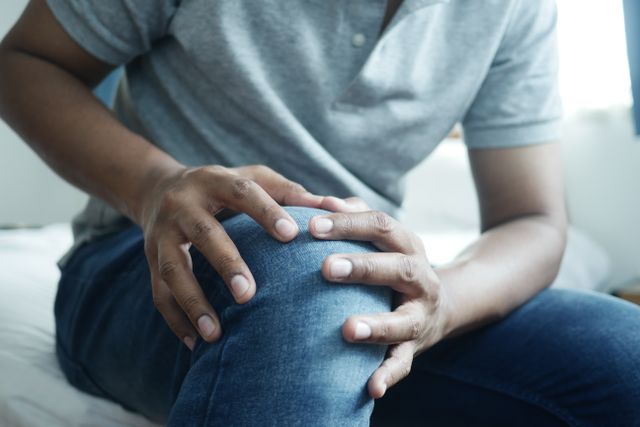

A slight twinge in the knee can be easy to ignore. Many people brush it off as a normal part of aging, exercise, or a busy lifestyle. At first, it may only show up during certain movements, like climbing stairs or getting up after sitting too long.
Over time, though, that discomfort may become more frequent. The knee might feel stiff in the morning or unstable during daily activities. What once felt minor can slowly start to affect how a person moves, works, and even rests.
Persistent knee pain should never be ignored. Getting the right diagnosis and treatment early can help prevent further injury and support long-term knee health, especially when a torn meniscus is involved.
Why Early Knee Care Matters More Than People Think
Small Injuries Can Lead to Bigger Problems
The knee is a complex joint that handles substantial stress every day. Even a minor injury can disrupt how it functions. When something like cartilage damage is left untreated, it can change how weight is distributed across the joint.
Over time, this imbalance may cause additional wear on surrounding structures. What started as a small tear or strain can gradually affect ligaments, bones, and other parts of the knee. This can increase the likelihood of long term issues such as joint degeneration.
Many people delay care because the pain feels manageable. However, the absence of severe pain does not always mean the joint is healing properly. Early evaluation helps ensure that the knee recovers properly and maintains joint function.
Compensation Can Strain Other Areas
When the knee is not functioning well, the body often adapts without a person realizing it. A slight limp or shift in posture may develop to avoid discomfort. While this may provide temporary relief, it can place extra stress on other parts of the body.
The hips, ankles, and lower back may begin to carry extra strain. Over time, this can lead to new areas of pain or discomfort. What started as a knee issue can slowly turn into a more widespread movement problem.
By addressing knee damage early, individuals can avoid these compensatory patterns. Restoring proper movement helps protect not just the knee but also other joints and muscles.
Early Care Supports Better Healing
The body has a natural ability to heal, but it often needs the right support. When knee injuries are treated early, there is a greater chance of preserving the joint’s structure and function.
Treatment may involve guided exercises, physical therapy, or other medical approaches depending on the severity of the issue. These interventions are often more effective when the damage is less severe.
Delaying care can reduce these options. In some cases, untreated damage may progress to a point where more invasive procedures are needed. Early attention can help keep treatment simpler and recovery smoother.
How Treatment Today Helps Prevent Future Joint Issues
Protecting Cartilage and Joint Function
Cartilage plays a key role in keeping the knee moving smoothly. When it is damaged, the joint can lose its natural cushioning. This can increase friction between bones, leading to discomfort and stiffness over time.
Proper care helps protect the remaining cartilage and supports joint stability. This may include strengthening surrounding muscles, improving flexibility, and reducing inflammation. These steps can slow down or even prevent further deterioration.
People who address knee problems early may reduce their risk of developing conditions such as osteoarthritis later in life. Taking action today can help preserve mobility for years to come.
Supporting an Active and Independent Lifestyle
For many individuals, staying active is an important part of daily life. Whether it is walking, working, or enjoying hobbies, the knees play a central role in movement. When knee problems are ignored, these activities can become more difficult and uncomfortable.
Early treatment helps maintain strength and stability. It allows individuals to continue doing the things they enjoy with less discomfort. This can have a positive impact on physical health and overall well being.
There is also a practical side to this. Preventing more serious joint problems can reduce the need for extensive medical interventions later on. It can help people stay independent and avoid long recovery periods that may disrupt their routines.
Looking Ahead with Healthier Knees
Knee discomfort is something many people experience at some point, but it should not be dismissed too quickly. What feels minor today can influence joint health in the future if left unaddressed.
Taking early steps to address knee damage can protect the joint, support better movement, and reduce the risk of long term complications. It also helps prevent the body from developing habits that may lead to additional strain elsewhere.
A thoughtful approach to knee health is not about overreacting to every ache. It is about recognizing when something feels off and choosing to address it before it progresses. Seeking guidance from a qualified professional and following a structured plan can make a meaningful difference.
In the long run, caring for the knee early on can help preserve comfort, mobility, and quality of life. The steps taken today can influence how well the body moves and functions in the future.