
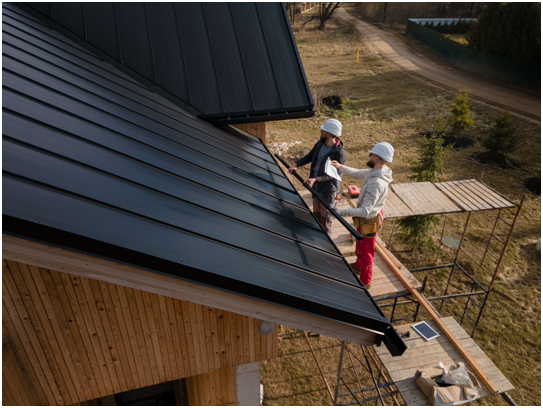

Most homeowners view their roof as a static shield, a solid lid that just sits there protecting their furniture and family. In reality, a roof is more like a living thing. It breathes, it shifts, and it stretches depending on the temperature and the wind. To handle this constant shifting without cracking apart, builders install expansion gaps. If you are looking for a reliable roof repair St. George service, you probably already know that the desert heat makes these gaps even more critical. These joints are designed to absorb movement, but they are also the most common places where water finds a way into your home.
The Science of Thermal Expansion
Everything in your house expands when it gets hot and shrinks when it cools down. On a typical summer day, your roof surface can get incredibly hot, often soaring well above the ambient air temperature. This heat causes the decking, the rafters, and the metal flashing to physically grow in size. When the sun goes down, everything pulls back. Expansion gaps are the intentional spaces left between large sections of the structure to allow for this dance. If those gaps were not there, the materials would push against each other until they buckled or snapped. However, that constant back and forth creates a lot of wear on the sealants and membranes that are supposed to keep the water out.
Why the Seals Fail
The gap itself is not the problem; it is the way we try to cover it. Most expansion joints are protected by a flexible membrane or a metal cover plate. Over time, the constant stretching and compressing cause these materials to fatigue. Think of it like a paperclip that you bend back and forth until it finally breaks. After a few seasons of intense weather, the rubberized seals can become brittle. Once they lose their elasticity, they start to crack. Even a tiny hairline fracture is enough for water to seep through during a heavy downpour. Once the water gets past that top layer, it has a direct path into the interior of the structure.
Mechanical Stress and Hardware
It is not just the sun that causes movement. High winds create uplift, which can physically pull at the edges of expansion gaps. This mechanical stress puts a lot of pressure on the fasteners holding the flashing in place. If a screw backs out or a nail pops loose because the roof shifted an inch too far, you now have an open hole. Water follows the path of least resistance. It will run down the side of a loose fastener and soak into the wooden substrate. By the time you see a brown spot on your ceiling, that water has likely been traveling along the rafters for weeks or even months.
Maintenance and Prevention
The best way to stop moisture entry is to stay ahead of the material failure. You should have your expansion joints inspected at least once a year. A professional will look for signs of “alligatoring” in the sealant, which is a pattern of cracks that looks like reptile skin. They will also check to see if the metal covers have shifted out of alignment. Replacing a bit of caulking or a small strip of membrane is a very cheap fix. On the other hand, replacing rotted plywood and dealing with mold remediation because a gap was ignored is a massive financial headache.
The Role of Proper Installation
Sometimes the issue starts on day one. If an expansion gap is too narrow, the materials will collide and damage the waterproofing layer. If it is too wide, the flashing might not provide enough coverage. A proper install requires a deep understanding of how different materials react to the local climate. Using the wrong grade of sealant for a high-heat environment is a recipe for disaster. You need products that stay gummy and flexible for years, rather than stuff that turns into hard plastic after one season.
Final Word
Ignoring the health of your expansion gaps is a gamble that rarely pays off. Your roof is under constant pressure from the elements, and those gaps are the pressure release valves of the entire system. When they fail, moisture entry is almost a certainty. If you suspect your home has suffered from shifting or heat damage, calling a roof repair St. George service can help you identify these vulnerabilities before the next big storm hits. Keeping those joints sealed and flexible is the simplest way to ensure your home stays dry and your structural integrity remains intact for decades to come.