
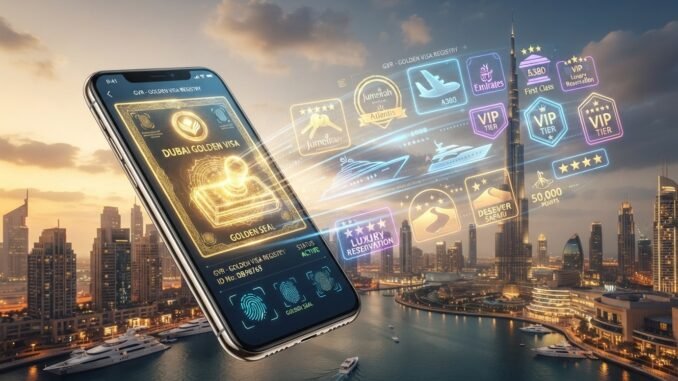
Dubai is exploring new ways to make international travel easier while encouraging visitors to return more frequently. Alongside its established attractions, hotels and entertainment destinations, the emirate is placing greater emphasis on digital travel services, personalised visitor benefits and stronger engagement with international tourists.
Two recent developments illustrate this direction. The integration of tourist visa applications into the Visit Dubai platform aims to simplify the travel-planning process, while the introduction of Dubai Access Club offers selected frequent visitors access to exclusive benefits and experiences.
These initiatives could influence how tourism businesses attract customers and build long-term relationships. Hotels, restaurants, shopping destinations, airlines and entertainment operators may all find opportunities as Dubai develops a more connected tourism ecosystem.
For the hospitality industry, the emerging focus is not simply on attracting more visitors. It is also about making each visit convenient, encouraging repeat bookings and creating more reasons for international travellers to spend time and money across the emirate.
Dubai Brings Tourist Visa Services Closer to Its Tourism Platform
Planning an international holiday often involves several steps, from checking visa requirements to arranging accommodation and booking activities. Dubai’s decision to integrate tourist visa application services into Visit Dubai is intended to bring some of these activities closer together.
Announced on 1 November 2026, the initiative allows international travellers to access visa application services through the emirate’s official tourism platform, which also provides information about attractions, events, accommodation and experiences.
The initial offering is expected to cover single-entry and multiple-entry tourist visa applications, with additional categories planned for the future. GDRFA Dubai will remain responsible for reviewing applications and issuing visas.
The initiative involves the General Directorate of Identity and Foreigners Affairs – Dubai (GDRFA Dubai), the Dubai Department of Economy and Tourism (DET) and Digital Dubai through the Shared Digital Channels Initiative.
For visitors, the integration could reduce the effort involved in finding relevant travel services across different platforms. For tourism operators, it offers another opportunity to reach potential customers while they are researching and organising their trips.
A simpler planning experience could be particularly useful for families, short-stay visitors, business travellers and tourists considering repeat trips to the UAE.
Dubai Access Club Targets Frequent International Visitors
While digital visa services focus on making travel more accessible, Dubai Access Club introduces a different element of the emirate’s tourism strategy: rewarding selected visitors who return regularly.
Announced by Sheikh Hamdan bin Mohammed bin Rashid Al Maktoum, Crown Prince of Dubai, the invitation-only programme is designed to offer eligible international travellers a five-year multiple-entry tourist visa and a range of privileges across Dubai.
Details released on 5 November 2026 indicate that membership is based on invitations and nominations through participating partners rather than open public registration.
The benefits include access to GDRFA Dubai’s ALSAADA Tourist Card, which provides offers at participating businesses, and a Majid Al Futtaim gift card with credit for use across its retail destinations.
Further privileges are expected to include hotel room upgrades, airport lounge access and priority booking opportunities for selected events.
The programme creates an additional way for Dubai to maintain engagement with international travellers between visits. For hospitality businesses, it could offer access to customers who are already familiar with the destination and may be interested in exploring new services and experiences.
What Digital Visa Services Could Mean for Dubai’s Hospitality Businesses
Making travel arrangements more accessible could have benefits that extend across the hospitality sector. When visitors can access essential travel information more conveniently, businesses may find additional opportunities to attract customers during the early stages of trip planning.
Hotels Could Focus More on Returning Guests
Hotels may use the growing emphasis on repeat visitation to develop packages for customers who have previously stayed in Dubai.
Personalised room offers, complimentary upgrades, extended-stay arrangements and tailored experiences could help properties differentiate themselves in a competitive accommodation market.
Serviced apartments may also benefit from visitors who travel regularly for business, family commitments or longer leisure stays.
Restaurants and Shopping Destinations Could Gain More Exposure
International visitors contribute to several parts of Dubai’s economy beyond accommodation. Dining, shopping, entertainment and leisure activities represent important parts of the overall tourism experience.
Membership benefits and promotional partnerships could encourage visitors to try new restaurants, explore different shopping destinations and spend more time at participating businesses.
For retailers and restaurant operators, participation in tourism-related programmes could provide an additional channel for reaching international customers.
Travel Companies Could Develop More Connected Packages
The availability of visa services alongside tourism information could create opportunities for travel agencies, tour operators and digital booking companies.
Businesses could develop packages that combine accommodation, airport transfers, dining reservations, shopping experiences and attraction tickets.
Such offerings could appeal to travellers who prefer to organise several parts of their holiday through a coordinated service.
Entertainment and Experience Providers Could Reach New Audiences
Dubai’s tourism offering includes cultural attractions, theme parks, desert excursions, waterfront activities, sporting events and entertainment venues.
Tourism membership programmes could help participating operators promote exclusive experiences, special access and priority reservations.
For smaller experience providers, partnerships with established tourism businesses could offer opportunities to reach visitors who might otherwise be difficult to attract.
Tourism Loyalty Programmes Could Support Repeat Spending
Attracting a first-time visitor and convincing that person to return are two different challenges for any tourism destination. Dubai Access Club introduces a structured approach to the second objective by linking frequent travel with selected privileges.
This could encourage businesses to move beyond general promotional offers and develop more relevant benefits for returning customers.
For example, hotels could create packages around previous guest preferences, restaurants could offer membership-based dining privileges, and retail destinations could introduce shopping incentives. Event organisers and entertainment companies could also explore exclusive booking arrangements.
The wider commercial opportunity is that repeat visitors may be more familiar with Dubai’s attractions and could be willing to explore areas beyond the destinations they visited previously.
However, loyalty programmes need to offer genuine value. The availability of benefits alone does not guarantee additional visits or higher spending. Their effectiveness will depend on the quality of participating businesses, the attractiveness of the offers and how frequently members use them.
Technology and Business Partnerships Could Shape the Next Phase of Tourism
Dubai’s latest initiatives also demonstrate the growing role of collaboration between public authorities and private businesses.
The digital visa integration connects GDRFA Dubai, DET and Digital Dubai. Dubai Access Club brings together participating businesses from hospitality, retail and other tourism-related sectors.
The emirate has also been exploring how data can support more targeted tourism activity. In April 2025, DET signed a memorandum of understanding with Visa to examine visitor journeys, spending patterns and travel preferences using payment-network insights.
Such partnerships can help tourism businesses understand changing customer behaviour and develop offers that better match different visitor groups.
For technology companies, this creates potential opportunities in digital bookings, travel applications, customer relationship management, payment solutions and personalised travel recommendations.
Dubai Tourism Growth Opens Opportunities for Hospitality Investment
Dubai’s digital tourism developments come against the backdrop of continued investment in accommodation, attractions and visitor infrastructure.
Tourism figures released in September 2026 indicated that the emirate received approximately 6.97 million international overnight visitors between January and August 2026. Hotels recorded 21.61 million occupied room nights, while the available hotel inventory approached 149,000 rooms by the end of August.
These figures demonstrate the scale of Dubai’s hospitality market and the range of businesses connected to visitor spending.
Several areas could attract commercial interest as the tourism ecosystem develops:
-
Hotels and resorts: Accommodation designed around families, business travellers, luxury visitors and repeat customers.
-
Serviced apartments: Flexible options for extended stays and frequent visitors.
-
Restaurants and food businesses: Dining experiences, promotional partnerships and visitor-focused services.
-
Retail destinations: Shopping privileges, tourism packages and international customer engagement.
-
Travel technology: Digital booking systems, itinerary management and personalised customer services.
-
Tourism experiences: Cultural attractions, wellness activities, adventure tourism and entertainment.
Investment opportunities may also extend to businesses that support the hospitality sector, including digital marketing companies, travel technology providers, payment platforms and customer engagement specialists.
As visitor expectations evolve, companies that can combine convenient services with personalised experiences may find opportunities to strengthen their position in Dubai’s tourism market.
UAE Tourism Strategy 2031 and Dubai’s D33 Agenda
Dubai’s approach to digital tourism and visitor retention forms part of broader economic and tourism development priorities.
The UAE Tourism Strategy 2031 aims to increase tourism’s contribution to the national economy, attract investment and strengthen the country’s international tourism position. Its targets include AED 450 billion in tourism’s contribution to GDP, AED 100 billion in additional tourism investment and 40 million hotel guests by 2031.
Dubai’s Economic Agenda D33 similarly aims to strengthen the emirate’s position as a leading global destination for business and leisure.
Improving digital access, making travel arrangements more convenient and encouraging visitors to return are relevant to these longer-term objectives.
The integration of visa services and the development of visitor membership benefits illustrate how technology and commercial partnerships can contribute to the broader tourism strategy.
Challenges That Could Influence Hospitality Growth
The success of digital tourism services will depend on how effectively they work for visitors and participating businesses.
Technology integration, data security and the protection of personal information will remain important considerations. Tourism companies may also need to upgrade their booking and customer management systems to participate effectively in digital partnerships.
Loyalty programmes face a separate challenge: maintaining benefits that visitors genuinely value. Hotel upgrades, dining privileges, shopping offers and exclusive experiences must remain attractive if they are to encourage repeat travel.
Smaller hospitality businesses could also benefit from greater access to partnership opportunities, helping them participate in tourism initiatives alongside established hotel groups and retail operators.
Ultimately, Dubai will need to continue attracting new international visitors while ensuring that returning travellers have fresh reasons to explore the emirate.
The Future of Dubai Tourism: Connecting Digital Convenience with Hospitality Growth
Dubai’s latest tourism initiatives point towards a more connected approach to international visitor management. Digital visa services could make travel planning more convenient, while Dubai Access Club introduces a membership model that recognises the value of frequent visitors.
For the hospitality industry, the potential impact extends across accommodation, dining, shopping, entertainment and travel technology. Businesses may gain opportunities to reach international customers, develop personalised services and build relationships that continue beyond individual bookings.
As Dubai works towards its D33 ambitions and the UAE advances its Tourism Strategy 2031, the ability to combine convenient digital services with rewarding visitor experiences could become an important factor in tourism competitiveness.
The next stage of Dubai’s hospitality growth may therefore be shaped not only by attracting more international travellers, but also by creating an experience that gives them compelling reasons to return.
