
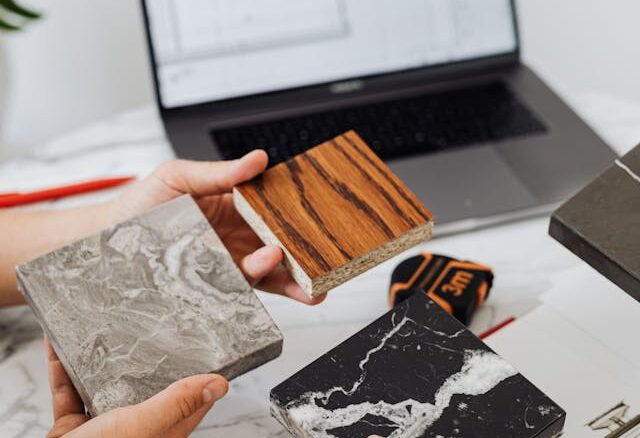

Marble is one of the most timeless and elegant materials used in home design. Its natural beauty, unique patterns, and luxurious finish can instantly elevate any space. However, choosing the right marble is not just about appearance. Since marble is a natural and porous stone with different levels of hardness, each type performs differently. That is why one marble cannot suit every room in your home.
To make the right choice, you need to balance beauty, durability, and maintenance. Here is a simple guide to help you select the right marble for each space.
Living Room: Elegant and Eye-Catching
The living room is often the most visible space in a home. It should feel welcoming, refined, and impressive.
Light-colored marbles with soft or bold veining work beautifully in this area. Large slabs create a seamless look and make the room appear bigger and brighter. If you want a dramatic effect, you can use matching slabs on feature walls to highlight natural patterns.
Since living rooms usually have moderate foot traffic, choose marble that is both stylish and strong enough for daily use.
Kitchen: Strong and Practical
Kitchens are high-use areas exposed to spills, heat, and sharp objects. Because marble is porous, choosing the wrong type can lead to stains.
For kitchen countertops, select denser and less porous marble varieties. A honed (matte) finish is often better than a polished one because it hides scratches and marks more easily. Most importantly, seal the marble regularly to protect it from absorbing liquids.
Proper care makes marble countertops long-lasting and beautiful.
Bathroom: Moisture-Resistant and Durable
Bathrooms are constantly exposed to water and humidity. Marble used here should be able to handle moisture without losing its strength or color.
Choose marble with lower porosity and always ensure it is properly sealed. Good ventilation also helps maintain the stone’s quality over time. Avoid very soft or highly porous marble in shower areas, as it may discolor or weaken with continuous exposure to water.
Bedroom: Soft and Relaxing
Bedrooms are meant to feel calm and comfortable. Warm beige, cream, or soft-toned marble creates a peaceful atmosphere.
Subtle patterns are usually better in bedrooms because they do not overpower the space. Lighter tones can also make the room feel more open and airy.
Staircases and Balconies: Safe and Slip-Resistant
Safety is very important in areas like staircases and balconies. Highly polished marble can become slippery, especially when wet.
Instead, choose textured finishes such as tumbled, brushed, or leathered surfaces. These finishes provide better grip while still maintaining a stylish appearance.
Important Factors to Consider
Porosity
More porous marble absorbs liquids easily and needs more maintenance. It may stain faster, especially in kitchens and bathrooms.
Hardness
Hard marble is better for floors and high-traffic areas. Softer marble is more suitable for walls or decorative features.
Pattern and Veining
Bold patterns look stunning in large spaces but can overwhelm smaller rooms. Subtle designs often make small rooms appear brighter and more spacious.
Maintenance
All marble requires care. Regular cleaning and periodic sealing help maintain its beauty and prevent damage.
Final Thoughts
Choosing marble is both a design decision and a practical one. The right stone enhances your home’s beauty while standing up to daily use. By understanding the needs of each space and selecting marble accordingly, you can create interiors that are elegant, durable, and timeless.
When chosen thoughtfully, marble does more than decorate a home — it adds character, warmth, and lasting value.