

Access to clean drinking water is essential for maintaining good health and preventing disease. However, water quality can be affected by various environmental and human factors, making regular testing a necessity. Drinking water testing is a scientific process used to evaluate water quality by detecting contaminants and ensuring it meets safety standards for consumption.
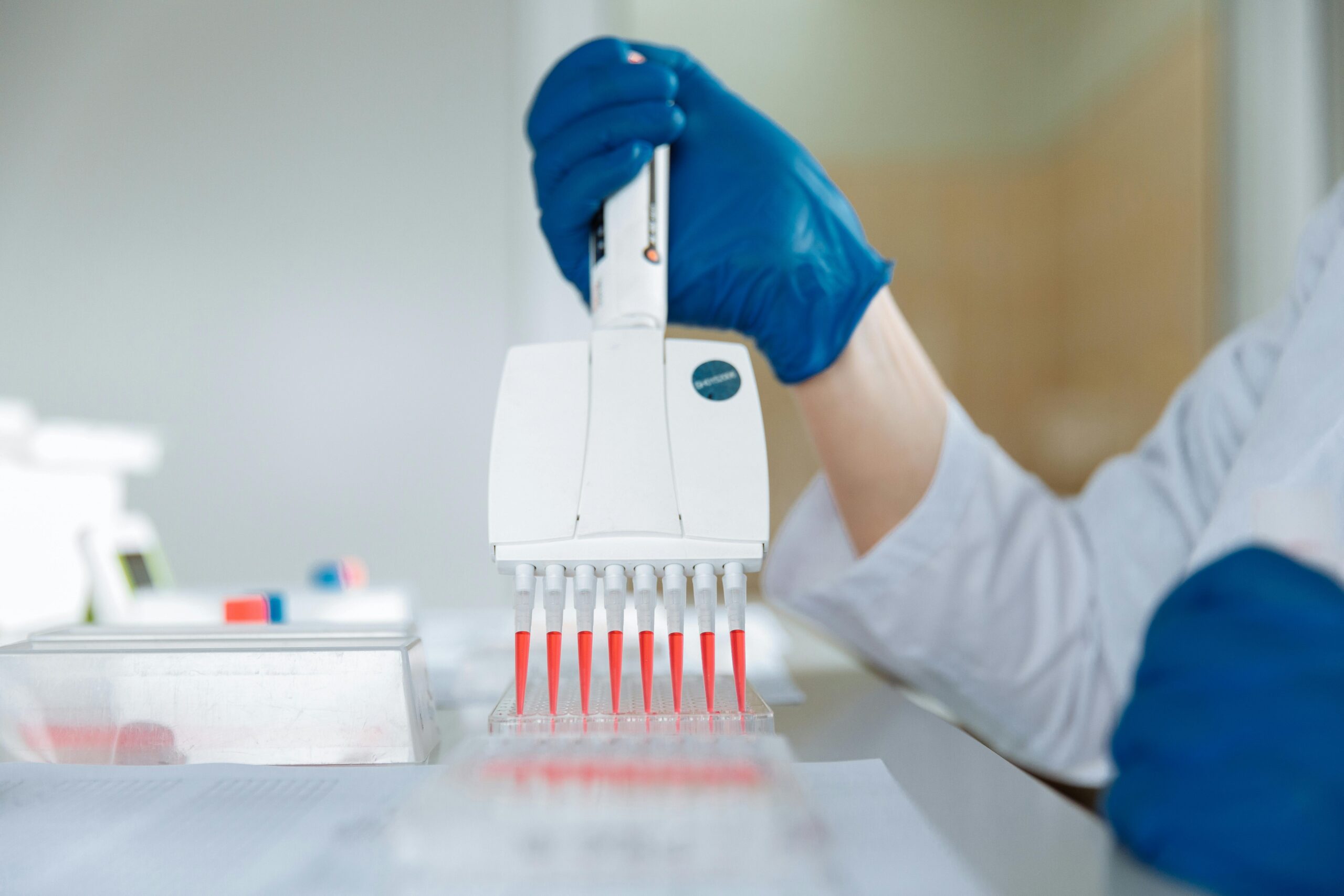
Water contamination can occur due to industrial discharge, agricultural runoff, sewage leaks, and aging pipelines. In fast-growing matros and major cities like Bhubaneswar, people look for water testing service in their respective areas. In Bhubaneswar, some experts suggest that people search drinking water testing Bhubaneswar to find our the reliaable water testing services and water testing labs in Bhubaneswar. Recently, according a water testing lab, some citizens reported bad odour in the drinking water. It is noteworthy, that the drinking water of some posh locality too report such situation. This shows us that the water testing is highly essential in the cities like Bhubaneswar.
In some other cities, urban expansion and environmental changes can introduce harmful pollutants such as bacteria, heavy metals, and chemicals into water sources those finall ran into the taps of the households. The recently incident in Indore have raised serious quesions about the water qulity. Without proper testing, these contaminants may go unnoticed, posing serious health risks including infections, digestive issues, and long-term illnesses.
There are three main types of contaminants commonly found in drinking water: biological, chemical, and physical.
Bilogical:
Biological contaminants include bacteria, viruses, and parasites that often originate from human or animal waste. These microorganisms can lead to waterborne diseases, making microbiological testing essential for ensuring safety. People can get to know about such condition by finding e-coil in the water, which can be identified by only water testing labs.
Chemical:
Chemical contaminants are equally concerning. Substances like lead, arsenic, mercury, and pesticides can enter water through industrial activities or agricultural practices. These pollutants may not always be visible but can accumulate in the body over time, causing severe health problems such as organ damage and neurological disorders. Water testing lab reprots can confirm whether the water is contaminated with chemical or not. Thus, it makes mandatory for water testing in case of any such reports or behaviour.
Physical:
Physical contaminants mainly affect the appearance and taste of water. These include sediments, dirt, and organic materials that may cause cloudiness or unpleasant odour. Although they may not always be harmful, their presence often indicates poor water quality and potential hidden risks. Standard tests of water can report turbidity, odour and acidic (pH value). Those reports from water testing labs are useful to take precaution and followup treatements in case of any issues.
Water testing laboratories play a crucial role in maintaining safe drinking water and waste water. They collect water samples from different sources such as homes, wells, and municipal systems. These samples are analyzed using advanced techniques to detect even trace levels of contamination. Proper sampling, handling, and testing procedures ensure accurate and reliable results.
Various testing methods are used depending on the type of contaminant. Chemical testing involves techniques like chromatography and spectrometry to measure pollutant levels. Microbiological testing identifies harmful bacteria and viruses, while advanced technologies help detect even the smallest impurities. Together, these methods provide a comprehensive analysis of water quality.
Understanding water test reports is important for making informed decisions. Results are typically presented in units like parts per million (ppm) or milligrams per liter (mg/L), along with recommended safety limits. If contamination levels exceed these limits, immediate action such as filtration or water treatment is necessary.
Regulatory authorities have established strict guidelines to ensure water safety. Certified water testomg laboratories follow these standards to deliver accurate results and maintain public trust. Regular monitoring and compliance with these regulations are essential for protecting community health.
In conclusion, drinking water testing and waste waster testing are vital for ensuring safe and reliable water for everyday use. It helps detect potential hazards early and prevents serious health issues. By choosing regular testing and staying informed, individuals and communities can take proactive steps toward a healthier and safer future.
