
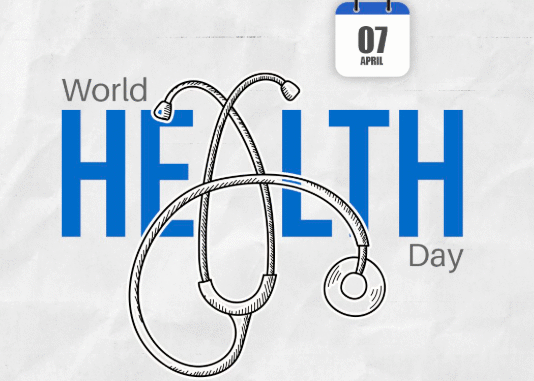

On April 7 each year, the world pauses to reflect on one of the most fundamental pillars of human existence—health. World Health Day is more than a symbolic observance; it is a global call to action, urging governments, institutions, and individuals to prioritize well-being and confront pressing health challenges with urgency and unity.
In 2026, the theme “Together for health. Stand with science,” championed by the World Health Organization, brings renewed focus to the power of scientific collaboration in shaping a healthier, safer, and more equitable world. At its heart, this theme is about trust—trust in evidence, in innovation, and in the collective strength of humanity.
Health Beyond Hospitals: A Shared Responsibility
Health is often understood in terms of hospitals, doctors, and medicines. But in reality, it begins much earlier—in clean air, safe drinking water, nutritious food, and informed choices. It lives in the everyday decisions people make and the systems that support those choices.
Across regions like Odisha, efforts to strengthen healthcare infrastructure are transforming lives. Expanding access to affordable medical services, improving rural healthcare delivery, and investing in preventive care are not just policy decisions—they are lifelines for millions. These initiatives reflect a broader understanding that healthcare must reach people where they are, not the other way around.
A resilient healthcare system is not defined solely by advanced technology, but by its accessibility, inclusivity, and compassion.
The Human Stories Behind Healthcare
Behind every statistic is a story. A mother reassured by timely treatment. A child protected through vaccination. An elderly patient receiving care with dignity.
Healthcare workers stand at the center of these stories. Doctors, nurses, paramedics, researchers, and community health volunteers form an invisible yet indispensable network of care. Their work often goes beyond clinical duties—they offer hope, empathy, and resilience in moments of vulnerability.
Leaders including Narendra Modi have acknowledged their contributions, especially on occasions like World Health Day. Yet recognition must translate into sustained support—better infrastructure, fair working conditions, and mental health resources for those who care for others.
Why “Standing with Science” Matters More Than Ever
The phrase “Stand with science” is not just a slogan—it is a necessity in today’s world. From pandemics to climate-related health risks, modern challenges demand solutions grounded in evidence and research.
Science has already transformed global health:
- Vaccines have eradicated or controlled deadly diseases
- Early diagnostics have improved survival rates
- Digital health innovations are expanding access to care
Yet, misinformation and distrust continue to pose serious risks. Rebuilding public confidence in science is essential. When people trust science, they make informed decisions—about vaccinations, treatments, and preventive care—that benefit entire communities.
The One Health Vision: Connecting People, Planet, and Progress
A key highlight of World Health Day 2026 is the emphasis on the One Health approach. This concept recognizes a simple but powerful truth: human health is deeply interconnected with the health of animals and the environment.
Deforestation, pollution, and climate change are not just environmental issues—they are public health concerns. Diseases can spread between animals and humans, ecosystems can influence food security, and environmental degradation can increase health risks.
By adopting a One Health perspective, policymakers and scientists aim to create holistic solutions that protect not just individuals, but the planet as a whole.
Global Collaboration, Local Impact
This year’s campaign is marked by major international engagements, including the International One Health Summit and the Global Forum of WHO Collaborating Centres. These gatherings represent one of the largest scientific collaborations ever organized under a United Nations framework.
But the true success of such global efforts lies in their local impact. Policies discussed in international forums must translate into real-world improvements—better healthcare access in villages, stronger disease surveillance systems, and more equitable distribution of medical resources.
Odisha’s Path Toward a Healthier Future
In Odisha, the vision of a healthier society is steadily taking shape. Government initiatives aimed at strengthening public health systems, enhancing affordability, and promoting preventive care are laying the foundation for long-term well-being.
From expanding healthcare facilities in rural areas to raising awareness about nutrition and hygiene, these efforts reflect a commitment to ensuring that no one is left behind. The goal is not just to treat illness, but to prevent it—to build a society where health is a right, not a privilege.
What Individuals Can Do: Small Actions, Big Impact
While governments and organizations play a critical role, the responsibility of health also lies with individuals. World Health Day serves as a reminder that collective progress begins with personal action.
- Stay informed through credible, science-based sources
- Prioritize preventive healthcare and regular check-ups
- Maintain a balanced lifestyle with proper nutrition and exercise
- Support community health initiatives
- Encourage open conversations about mental health
Every small step contributes to a larger movement toward a healthier society.
A Future Built on Trust, Science, and Solidarity
As the world observes World Health Day 2026, the message is clear: health is not an isolated goal—it is a shared journey. Building a healthier future requires collaboration across borders, disciplines, and communities.
Standing with science ultimately means standing for truth, progress, and humanity. It means believing in solutions that are inclusive, sustainable, and grounded in evidence. And most importantly, it means ensuring that every individual—regardless of where they live—has the opportunity to lead a healthy and dignified life.