
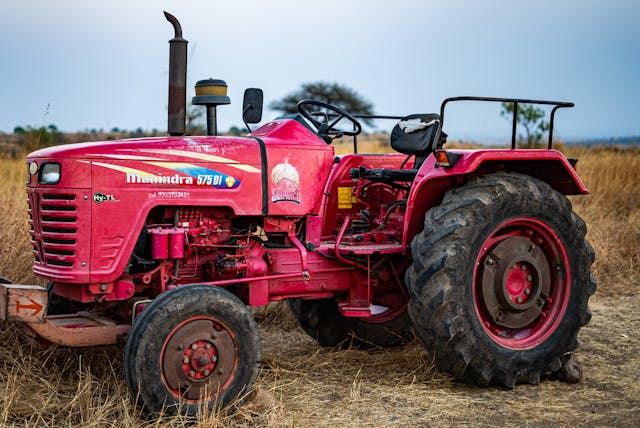

A Mahindra tractor is built to take Indian farm work, but even the best machine needs regular care. When you follow a few maintenance basics, you cut breakdowns during peak sowing or harvest, and protect resale value. Whether you run a full-size tractor or a compact mini tractor, these habits will keep your days smoother.
Start with the operator’s manual and a simple routine
Your Mahindra manual is your first service advisor. It lists fluid grades, filter part numbers, and service intervals that match your model and engine.
- Keep the manual in a plastic sleeve in the toolbox.
- Note your hour meter reading weekly, not just calendar dates.
- Maintain a small logbook for oil changes, filter swaps, and repairs.
Carry a small kit: spare fuses, a fan belt, one fuel filter, a grease gun, and basic spanners for quick fixes in the field.
Daily checks before you turn the key
A two-minute walk-around saves hours of downtime later. Do these checks every day before field work, especially in dusty or wet conditions.
- Engine oil level: Top up only with the recommended grade.
- Coolant level: Check the reservoir when the engine is cool.
- Fuel and water separator: Drain water if your model has a separator bowl.
- Leaks: Look under the tractor for fresh oil, diesel, or coolant spots.
- Air cleaner restriction: If your indicator shows red, clean the filter system.
- Nuts, bolts, and guards: Ensure steps, wheel nuts, and safety covers are tight.
Engine health: oil, air, and fuel
Your engine is the heart of the tractor, and it responds quickly to clean oil, clean air, and clean fuel.
- Oil and filter: Change at the interval in your manual. If you work in high-dust conditions or spend long periods idling, change a little earlier. Always replace the oil filter with the oil change.
- Air filter: Many Mahindra models use a dual-element filter. Tap the primary element gently to remove loose dust, and replace it when it is clogged or damaged. Do not wash paper elements with water.
- Diesel cleanliness: Use a clean funnel or a dedicated jerry can. Replace the fuel filter on schedule, and bleed air properly after changing it.
- Idling habits: Avoid long idle periods. Warm up for a short time, then work at the right RPM range.
Cooling system care for Indian weather
Overheating is one of the fastest ways to damage an engine, especially in summer land prep.
- Radiator fins: Blow out chaff and dust with low-pressure air from the fan side outward.
- Coolant mix: Use the recommended coolant and water ratio, not plain water.
- Hoses and clamps: Check for soft spots, cracks, and loose clips.
- Fan belt: Inspect for glazing and cracks; keep correct tension.
If the temperature gauge climbs, stop work, idle briefly, and let the engine cool before opening the cap.
Transmission, hydraulics, and PTO basics
Power delivery and lift performance depend on clean transmission oil and a healthy hydraulic system.
- Check transmission and hydraulic oil levels as per your model’s dipstick or sight glass.
- Change hydraulic and transmission filters on schedule to protect the pump and valves.
- Keep the PTO cover and shaft area clean. Grease PTO shaft joints if you use implements often.
- Watch for slow lifting, jerky movement, or unusual noises. These are early signs to address before failure.
Tyres, brakes, and steering for field safety
Tyres and control systems take a beating on bunds, stones, and village roads. A stable tractor is also a safer tractor.
- Tyre pressure: Maintain the correct pressure for field work and transport. Under-inflation heats tyres and wastes fuel; over-inflation reduces grip.
- Tread and cuts: Remove embedded stones and check sidewalls after stubble work.
- Brakes: Test both pedals and the lock. Adjust if braking feels uneven or the pedal travel increases.
- Steering play: Excess free play can indicate loose linkages or low power steering oil, depending on your model.
Battery and electricals that prevent no-start mornings
A mini tractor often starts and stops multiple times a day, so battery health matters.
- Keep terminals clean and tight, with a light coat of petroleum jelly.
- Check electrolyte levels in serviceable batteries and top up with distilled water.
- Inspect wiring for rodent damage, loose couplers, and blown fuses.
- Ensure all lights and indicators work, especially if you drive on roads at dawn or dusk.
Greasing and lubrication points you should not skip
Grease is cheap compared to parts. Regular greasing reduces wear in joints that face mud and water.
- Front axle pivots and kingpins
- Steering linkages
- Clutch and brake linkages, where applicable
- Three-point linkage pins and stabilisers
Wipe the nipple clean before greasing, and stop once you see fresh grease push out.
Seasonal care: summer, monsoon, and storage
Indian seasons are harsh on machines, so adjust your routine.
- Summer: Clean the radiator more often and keep the air filter in top condition.
- Monsoon: Check for water contamination in diesel and dry electrical connectors if you work in heavy rain.
- Storage: If the tractor will sit for weeks, park on level ground, clean mud, top up fuel to reduce condensation, disconnect the battery if needed, and cover the exhaust to stop moisture entry.
Start the engine periodically, and move the tractor a short distance to avoid flat spots on tyres.
When to use authorised service and genuine parts
Good daily care reduces problems, but certain jobs are best left to trained technicians with the right tools.
- Major clutch work, injector calibration, and ECU-related issues
- Hydraulic pump repairs and internal transmission work
- Warranty-period servicing
Using genuine filters, belts, and fluids helps maintain performance and avoids fitment issues. Keep service bills and your logbook together, as they support resale and warranty claims.
Conclusion
Your Mahindra tractor can serve you for years if you treat maintenance as part of the workday, not an extra task. Build a routine around daily checks, timely fluid and filter changes, clean cooling, and regular greasing. Do that, and your mini tractor or larger machine will stay ready when your farm needs it most.