
Playtime is Becoming a Strong Business Opportunity
In the past, toys were mainly viewed as a source of fun for kids for generations. This perception is rapidly changing today. Parents are seeking toys that stimulate creativity, problem-solving, communication, motor skills and early learning, in addition to keeping their children occupied. Therefore, educational toys are becoming one of the most rapidly expanding toys market in India.
As people have more money available to spend and start to understand the importance of early childhood development, and the spread of preschool education, the educational toy industry is attracting manufacturers, startups, retailers, educators and investors. It was once a small category that has evolved into a profitable business with great scope for expansion.
Parents Are Investing in Learning, Not Just Toys
Today’s parents are more research-minded than ever. Many parents these days take the educational value of a toy into account before buying it, along with the fun factor. They seek products that are age-appropriate, that stimulate curiosity, that help to develop concentration, and that encourage independent thinking.
The change is driving an increase in demand for toys that are both educational and entertaining. Parents are more and more considering educational toys to be an investment in their child’s future rather than a discretionary buy.
The focus on skill development at an early age is likely to continue to spur demand in both urban and new emerging markets.
Learning Through Play is Based on Science
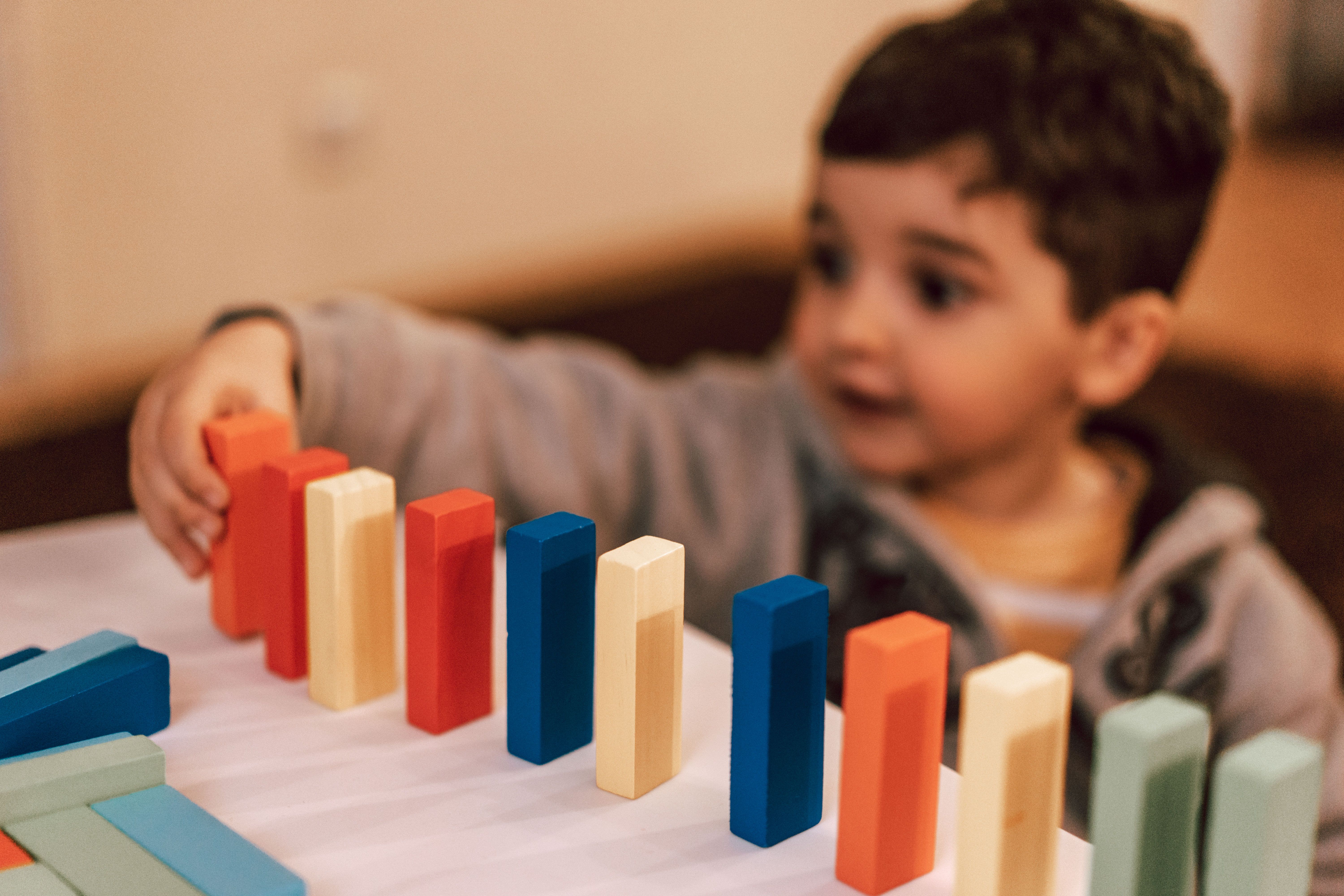
Children’s learning is best done through exploration and hands-on experiences, and this principle has long been recognised by educational experts. Building, sorting, matching, experimentation and role playing provide opportunities for the development of cognitive, social, emotional and physical skills at the same time.
Through educational toys, kids learn language, logical thinking, creativity, working with others and fine motor skills, all while the learning experience doesn’t feel like school.
These products are playing an increasingly important role in an educational system that is slowly moving towards experiential learning, rather than a mere activity item.
The Market Goes Far Beyond Building Blocks
Today’s educational toy industry is very diverse. The market encompasses STEM learning kits and science experiment kits, robotics kits, coding toys, mathematical puzzles, construction blocks, language-learning games, memory cards, art and craft kits, musical learning toys, geography puzzles, sensory toys, Montessori learning materials, wooden educational toys, and DIY activity boxes.
Age appropriate activities delivered monthly to parents through subscription learning kits are also becoming popular. This diversity allows businesses to meet the needs of children of various ages and learning styles.
India’s Education Reforms Are Supporting the Industry
The emphasis on experiential learning being given in the National Education Policy (NEP) 2020 has reinforced the interest in activity-based learning, creativity, critical thinking, and practical skill development.
Educational toys and activity kits are being introduced into the classroom teaching of schools, preschools and early learning centres more and more. This has grown the customer base to include educational institutions, day care centres, libraries and learning academies.
Institutional sales are also a good business opportunity for manufacturers, as well as direct consumer sales, and are stable and scalable.
Indian Manufacturing Has a Competitive Edge
The education toy market is also doing well in India as the nation strives to make products locally.
Government policies that promote domestic production, design capabilities and the demand for Indian made goods are supporting domestic manufacturers in their effort to build a stronger presence. Handmade toys, learning toys, and eco-friendly toys are taking a resurgence in popularity with parents who want to use safe and sustainable toys.
Intellectual property and the use of modern education concepts allows manufacturers to develop products that capture the attention of both the local and global markets, while simultaneously showcasing India’s rich craftsmanship.
Technology Is Creating Smarter Toys
The next generation of educational toys is becoming increasingly interactive.
Learning products are incorporating artificial intelligence, augmented reality, voice recognition and connected learning platforms to enhance learning engagement. Some toys can adjust to the learning speed of children, and some can offer interactive story, language training, or even coding training to children.
Even in this technological era, experts still stress the need to have a mix of digital learning and hands-on play for healthy childhood development.
Opportunities for Entrepreneurs and Startups
Innovation is more important than size and there are lots of great opportunities out there for entrepreneurs in the form of educational toys.
They can focus on providing learning materials for local languages, eco-friendly wooden toys, Montessori toys, STEM education, special-needs learning, or customised activity boxes for small businesses. The rise of online marketplaces and social media has given startups the opportunity to connect directly with parents without the need for large storefronts.
There are also increasing needs for personalized education products to meet various learning styles and age levels.
Challenges That Need Attention
The industry is poised for significant growth, but there are a number of hurdles to contend with.
Consumers still have concerns about product safety, product quality, appropriateness and affordability. The educational claims must be based on real learning outcomes, not just marketing words.
Another challenge is ensuring accessibility. Cost-effective toys that cater to the needs of the Indian market, which is larger and more diverse, will play a crucial role in the future growth of the market.
Companies that are both creative and cost-effective will be the most successful.
Looking Ahead
India’s educational toy industry is part of a broader shift in the mindset of parents and families regarding the learning of children. Play is not considered to be a distinct activity from education but it is now seen as one of the most effective ways to do education.
The sector presents opportunities for entrepreneurs in manufacturing, design, retail, exports, education technology, and subscription. Demand is likely to keep rising steadily as parents keep focusing on skills development and schools keep adopting experiential learning.
The toys of tomorrow in India may not just be toys that amuse children, but toys that spark curiosity, foster creativity, and develop lifelong skills. Educational toys, in that respect, are no longer toys, but investments to the nation’s young minds and expanding knowledge economy.