
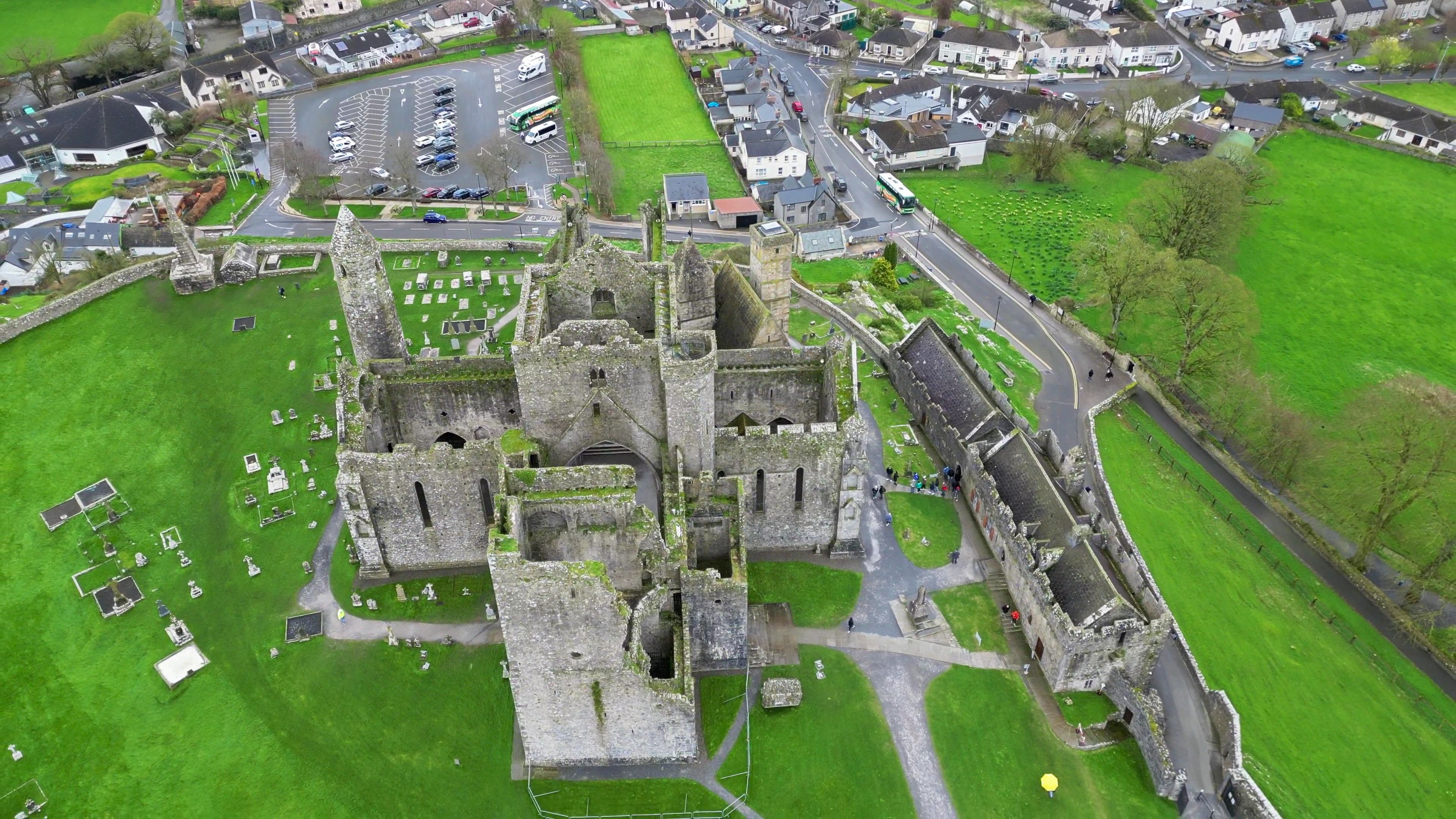
Oct 13: Ireland is a destination best experienced at a pace that leaves room for discovery. Beyond Dublin’s historic streets and lively city centre, travellers can find rugged Atlantic coastlines, colourful villages, ancient landmarks and food experiences that reflect the country’s character.
For visitors looking for more than a checklist of attractions, Ireland offers opportunities to combine scenic drives, outdoor adventures and local culture in a single trip. A walk along the coast, an afternoon exploring a historic town or an evening listening to traditional music can become as memorable as visiting a major landmark.
This growing appeal of experience-led travel also matters to Ireland’s tourism industry. Regional accommodation providers, independent restaurants, local guides and activity operators can benefit when visitors venture beyond the main cities and spend more time exploring different parts of the country.
Ireland’s Tourism Industry Focuses on Regional and Year-Round Growth
Ireland’s tourism industry continues to generate significant economic activity, but the focus is increasingly on the value of visitor spending, regional development and opportunities beyond the busiest travel periods.
Fáilte Ireland’s Business of Tourism Report 2026 estimates that overseas visitors spent €5.7 billion in Ireland in 2025, excluding fares. Domestic overnight tourism expenditure reached €3.6 billion, remaining unchanged from 2024. The report also noted that overseas tourism strengthened during the second half of 2025 and carried greater momentum into 2026.
The Central Statistics Office reported that Ireland welcomed approximately 670,300 foreign visitors in June 2026, who spent an estimated €697 million, excluding fares. Expenditure was 8% higher than in June 2025. Visitors stayed for an average of 7.6 nights, while holidays, leisure and recreation accounted for 49% of trips.
These figures underline an important opportunity for Ireland: tourism growth is not just about attracting more visitors. Encouraging travellers to stay longer, explore additional regions and spend money with local businesses can also strengthen the sector.
Fáilte Ireland’s Corporate Strategy 2026–2029 reflects this direction. Its priorities include improving regional and seasonal balance, developing culinary tourism, expanding outdoor experiences and helping tourism businesses make better use of digital and artificial intelligence tools. The strategy also aims to support more sustainable growth and improve the competitiveness of smaller operators.
For businesses, this creates room to develop experiences that bring several parts of a destination together. A regional package might combine a countryside stay, a guided walk, a local food experience and a visit to a heritage attraction. Such offerings can give visitors more reasons to stay overnight and help distribute tourism spending across local communities.
The Wild Atlantic Way Makes the Journey Part of the Holiday
For travellers drawn to dramatic scenery, the Wild Atlantic Way remains one of Ireland’s most distinctive touring experiences. The coastal route passes rugged headlands, beaches, fishing villages and viewpoints overlooking the Atlantic Ocean.
County Donegal, Connemara in County Galway and the Dingle Peninsula in County Kerry offer opportunities for coastal walks, photography, local food and outdoor activities.
What makes a journey along the western coast appealing is the freedom to explore along the way. Visitors can stop in a small town for lunch, spend an afternoon walking beside the sea or discover a local craft shop that was not part of the original plan.
This style of travel creates opportunities for independent accommodation providers, cafés, local guides and outdoor activity operators. Businesses that offer convenient booking, flexible itineraries and experiences suited to different budgets can make it easier for travellers to explore the region.
Small Towns Offer a More Personal Side of Ireland
Ireland’s smaller towns and villages give visitors a chance to experience the country beyond its busiest tourist centres. Colourful streets, independent shops, traditional pubs and community festivals provide glimpses of local life that can be missed on a rushed itinerary.
Across counties such as Clare, Mayo, Cork and Galway, travellers can explore regional food, historic streets, traditional music and local crafts.
These visits also create economic opportunities. When visitors stay overnight rather than simply passing through, they are more likely to spend on accommodation, meals, transport and activities. This can be particularly valuable for family-run businesses and tourism operators in smaller communities.
For travellers, spending a few days in one region can make a trip feel less hurried and leave room for unexpected discoveries.
Culinary Tourism Gives Travellers Another Reason to Explore
Food is becoming an important part of how people experience destinations, and Ireland offers opportunities to discover local flavours through seafood, regional produce, traditional dishes, markets and independent restaurants.
Travellers can build parts of their itinerary around a local food market, a coastal seafood stop or a visit to a regional producer. Traditional Irish music and local hospitality can add another layer to the experience, helping visitors connect with the culture of the places they visit.
Fáilte Ireland’s 2026–2029 strategy identifies culinary tourism as an area for development, with an emphasis on making Ireland’s food and drink offering a stronger reason to travel and encouraging visitors to explore regional destinations.
For restaurants, producers and tour operators, collaboration offers a practical way to attract visitors. A food trail that connects local producers, cafés and accommodation providers can create a more complete experience than a single stop.
Outdoor Adventures Encourage Longer Stays
Ireland’s landscapes offer plenty of opportunities for travellers who enjoy walking, cycling and spending time outdoors.
The Great Western Greenway in County Mayo is a popular option for walking and cycling, while national parks and coastal paths offer access to striking natural scenery. Visitors can plan trips around hiking, photography, wildlife observation or quieter countryside breaks.
Rather than trying to cover several regions in a few days, travellers can spend longer in one area and explore it more thoroughly. This slower approach allows time for outdoor activities, local meals and visits to nearby attractions.
For tourism businesses, it creates opportunities to offer multi-day packages combining accommodation, guided activities and regional experiences. Fáilte Ireland’s planned Outdoor Ireland programme also aims to strengthen walking, cycling and water-based activities as part of the country’s tourism offering.
Weather can change quickly, particularly along the Atlantic coast. Visitors should check forecasts, wear suitable clothing and follow local safety guidance when exploring exposed paths and coastal areas.
Off-Season Travel Could Benefit Local Businesses
Ireland’s tourism opportunities do not end with the summer months. Autumn and spring can offer a different way to experience the country, with quieter attractions, changing landscapes and opportunities to explore towns at a more relaxed pace.
The right experience will depend on the destination and season. Visitors may prefer cultural attractions, food-focused itineraries and city breaks when outdoor conditions are less predictable. Businesses can respond by offering seasonal packages, indoor experiences and flexible short breaks.
Fáilte Ireland has identified greater seasonal balance as a priority for the tourism industry, aiming to support demand beyond peak periods and spread economic benefits more widely.
For accommodation providers and tour operators, this can mean developing offers around local festivals, culinary experiences, heritage visits and guided activities throughout the year. For travellers, it creates more options for discovering Ireland outside the busiest travel windows.
Sustainable Tourism Can Strengthen Regional Economies
As more visitors explore Ireland’s regional destinations, tourism businesses have an opportunity to support local communities while protecting the landscapes that attract travellers.
Choosing locally owned accommodation, hiring regional guides and dining at independent restaurants can help direct more spending into local economies. Public transport and organised excursions may also reduce the need for repeated car journeys where suitable connections are available.
Smaller operators can improve their visibility through digital booking platforms, clear online information and partnerships with nearby attractions. These tools can help travellers discover experiences that might otherwise be difficult to find.
The challenge is to grow tourism without placing unnecessary pressure on local infrastructure, communities or natural environments. Sustainable development requires balancing visitor demand with the needs of residents and the long-term protection of Ireland’s distinctive landscapes.
Planning a Trip Beyond Dublin
Dublin is a useful starting point for museums, historic attractions and city experiences, but travellers can build a more varied itinerary by adding a regional destination.
Visitors could travel west towards Galway and Connemara, explore the coastal scenery of County Clare or head south towards County Kerry and the Dingle Peninsula. The best choice depends on the length of the trip, transport preferences and the type of experiences the traveller wants.
Driving offers flexibility in rural areas, while trains and buses connect many major towns and cities. Public transport can be more limited in remote locations, so checking schedules and connections in advance is advisable.
Booking accommodation and popular attractions ahead of time can help during busy periods. Allowing enough time between destinations also makes it easier to enjoy the journey instead of rushing from one stop to another.
The Road Ahead for Ireland’s Travel Industry
Ireland’s appeal extends well beyond its best-known landmarks. Coastal journeys, local food, outdoor activities and historic towns give visitors reasons to explore the country at a more personal pace.
Recent tourism figures underline the sector’s economic importance, while Ireland’s tourism strategy points towards stronger regional development, culinary experiences, outdoor activities and year-round travel.
For businesses, the opportunity lies in creating well-designed experiences that encourage longer stays and spread tourism spending more widely. For travellers, it means discovering a side of Ireland that combines familiar attractions with quieter, more personal experiences.
As experience-led travel continues to evolve, Ireland’s combination of natural scenery, cultural heritage and local hospitality offers a compelling reason to look beyond the usual itinerary.
