
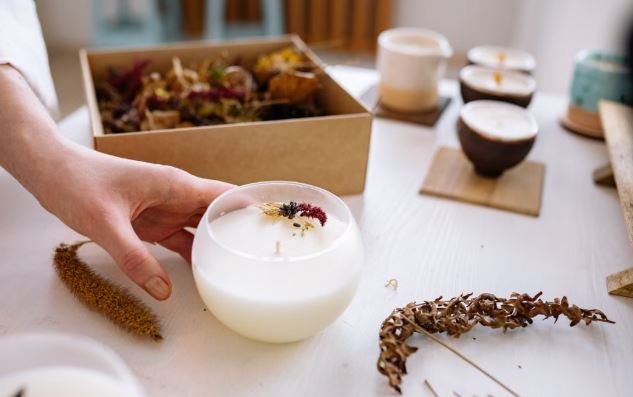
Handcrafted Diwali gifts are becoming an attractive business opportunity in India as consumers and companies look beyond traditional sweets and standard gift boxes. From hand-painted diyas and terracotta décor to Pattachitra artwork, handmade candles and personalised festive hampers, India’s traditional crafts are finding new relevance in the modern gifting market.
Diwali has always been an important season for shopping and business. But the way people choose festive gifts is changing. Buyers increasingly want products that look distinctive, carry a personal touch and reflect cultural values. A beautifully crafted diya or a handmade decorative box can offer something that a mass-produced gift often cannot: a sense of originality and a story behind the product.
This shift is creating opportunities for artisans, small manufacturers, home-based entrepreneurs, online sellers and corporate gifting companies. For businesses willing to combine traditional craftsmanship with modern packaging and customer service, festive gifting can become more than a seasonal sales opportunity.
Why Handcrafted Diwali Gifts Are Gaining Attention
The appeal of handmade products goes beyond their appearance. Customers are increasingly interested in knowing where a product comes from, who made it and what makes it different.
Traditional gifts such as sweets and dry fruits continue to have a place in Diwali celebrations. However, many buyers are also exploring handcrafted décor, artisanal food products, reusable gift boxes and personalised accessories. These products offer a more individual gifting experience and can remain useful long after the festival.
Recent festive consumer research published in October 2026 also points to growing interest in ritual-led celebrations and handcrafted clay diyas moving from a niche choice towards mainstream consideration. This reflects an opportunity for businesses to connect traditional products with changing consumer preferences.
For entrepreneurs, the message is clear: customers are not simply buying a gift; they are looking for something meaningful, attractive and worth remembering.
The Handcrafted Products Creating Business Opportunities
India’s diverse craft traditions provide a wide range of products that businesses can develop for the Diwali gifting market.
1. Hand-painted diyas and decorative candles
Hand-painted clay diyas, customised candle holders and decorative lighting products remain suitable choices for festive gifting. Small businesses can introduce different colours, patterns and packaging styles to appeal to both individual buyers and bulk customers.
2. Terracotta and handmade home décor
Terracotta lamps, planters, decorative bowls and handcrafted idols offer opportunities for pottery makers and local craft businesses. These products can be positioned as traditional festive gifts as well as home décor items for year-round sales.
3. Regional Indian artwork
Traditional art forms can become distinctive gifting products when adapted to modern designs. Odisha’s Pattachitra, Madhubani paintings, Warli art and other regional crafts can be used in trays, greeting cards, wall décor, stationery and decorative boxes.
Such products also give businesses an opportunity to promote local identity and connect customers with India’s artistic heritage.
4. Handcrafted gift boxes and festive hampers
Personalised gift boxes are creating opportunities for businesses that can combine different products into one attractive package. A hamper may include handmade candles, dry fruits, artisanal snacks, decorative diyas, regional artwork and a customised greeting card.
Offering different collections at affordable, mid-range and premium prices can help sellers reach a wider customer base.
5. Handmade fabric, bamboo and wooden products
Handwoven accessories, bamboo baskets, embroidered pouches, wooden trays and reusable fabric boxes can appeal to customers looking for distinctive and practical gifts. These products can also support partnerships with local producers and artisan groups.
Corporate Gifting: An Opportunity for Larger Orders
Corporate gifting is an important growth opportunity for businesses selling handcrafted Diwali gifts. Companies use the festive season to appreciate employees, strengthen client relationships and recognise business partners. As gifting preferences evolve, organisations are exploring options that feel more personal and distinctive.
Business Standard reported in October 2025 that a major business gifting platform had recorded a 60% year-on-year increase in corporate gifting demand after expanding its customised and assembled gift sets. The same report highlighted interest in unconventional products, including handcrafted brass articles and practical festive gifts.
For small businesses, this creates an opportunity to approach companies with curated Diwali collections. A gift box featuring a handmade diya, regional artwork, artisanal snacks and personalised packaging can offer a distinctive alternative to conventional hampers.
However, corporate orders require careful planning. Businesses must be able to manage bulk production, maintain consistent quality, provide branding options and deliver orders on time. A reliable supply network can be as important as the product design itself.
How Artisans and Small Businesses Can Reach More Customers
One of the biggest advantages for today’s craft businesses is access to digital selling channels. Artisans and home-based entrepreneurs no longer need to depend entirely on local exhibitions or physical shops to find customers.
Instagram, Facebook, WhatsApp Business and online marketplaces allow sellers to display their collections, share product videos and accept customised orders. A short video showing the making of a terracotta diya or the painting of a decorative box can help customers understand the craftsmanship behind the product.
Businesses can also prepare digital catalogues for different customer groups. Individual buyers may prefer smaller gift boxes, while companies may look for branded hampers and bulk-order packages.
The Indiahandmade digital marketplace, highlighted by the government in July 2026, is another example of efforts to connect artisans and weavers with online buyers. The platform showcases handmade products, including regional and GI-tagged crafts, giving traditional producers another route to market.
Starting a Handcrafted Diwali Gifting Business
Entrepreneurs do not necessarily need a large manufacturing unit to enter the handcrafted gifting market. A small business can begin with a focused product range, work with local artisans and expand its collection as orders increase.
The first step is to identify a clear customer segment. Some sellers may focus on affordable handmade gifts, while others may target premium hampers or corporate buyers.
A practical business plan should include:
- Product selection: Choose products that are attractive, useful and suitable for festive gifting.
- Artisan partnerships: Work with reliable craft producers to maintain quality and manage supply.
- Pricing strategy: Include raw materials, labour, packaging, marketing, delivery and platform charges when calculating prices.
- Packaging and presentation: Use attractive, protective packaging that reflects the quality of the product.
- Online promotion: Share clear photographs, product demonstrations and customisation options.
- Bulk-order planning: Set realistic order limits and delivery timelines before accepting large corporate orders.
- Post-festival sales: Continue selling home décor, candles, accessories and personalised gifts beyond Diwali.
Starting with a limited collection can help entrepreneurs test customer interest without investing heavily in inventory.
Challenges That Can Affect Profitability
The handcrafted gifting business has potential, but it also requires strong operational planning. Handmade products often take longer to produce than factory-made items. Meeting large orders during a short festive period can become difficult if businesses do not plan production in advance.
Quality consistency is another challenge. Customers expect products to match the photographs and descriptions they see online. Even small differences in finishing, colour or packaging can affect satisfaction.
Businesses must also account for rising material costs, artisan payments, shipping expenses and damaged products during transportation. Fragile items such as pottery and decorative pieces need suitable protective packaging.
Discounting should be approached carefully. Lower prices may attract orders, but they can also reduce margins if production and delivery costs are not calculated properly. A clear product identity, reliable service and thoughtful presentation can help a small brand compete without depending entirely on discounts.
Turning Traditional Craftsmanship into a Long-Term Business
The growing interest in handcrafted Diwali gifts offers an opportunity to bring India’s traditional artisans closer to modern consumers. What was once largely sold through local markets and exhibitions can now reach online shoppers, corporate buyers and customers looking for personalised festive experiences.
For small businesses, the real opportunity lies in combining traditional skills with contemporary designs, attractive packaging and dependable delivery. For artisans, stronger market access can create additional income and help preserve craft traditions.
As festive gifting becomes more thoughtful and experience-driven, handcrafted products can secure a stronger position in India’s gifting market. Businesses that invest in quality, originality and customer trust can use the Diwali season as a starting point for building a lasting brand.
