
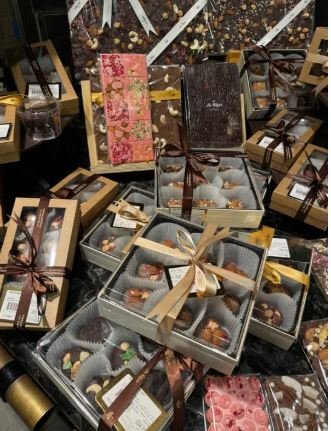
From personalised laptop bags and wellness hampers to smart gadgets and travel experiences, corporate gifting in India is undergoing a major transformation. Companies are moving beyond traditional sweets and branded merchandise to choose gifts that employees and clients genuinely value. This shift is creating new business opportunities for gifting companies, manufacturers, artisans and premium product brands.
Corporate gifting is no longer just about sending a box of sweets during Diwali or distributing branded diaries at the end of the year. Businesses are rethinking what they give, why they give it and how the gesture can strengthen professional relationships. A useful laptop bag, a personalised gift hamper or even a thoughtfully chosen experience can leave a stronger impression than an expensive product that remains unused.
This change is becoming more visible across Indian workplaces. Companies are increasingly recognising employees through gifts for birthdays, work anniversaries, promotions and professional milestones, while client gifting is becoming more personalised and experience-driven.
Recent examples from Indian workplaces include laptop bags for work anniversaries, premium perfumes for long-service milestones, plants and sarees for birthdays, and even special cinema experiences for employees. These choices reflect a simple idea: people appreciate gifts that feel relevant to their lives.
For businesses, this changing preference is turning the corporate gifting market in India into a wider commercial opportunity. Demand is expanding across sustainable products, premium lifestyle accessories, technology, wellness, artisanal crafts and customised gift services.
Corporate Gifting Is Moving Beyond Traditional Hampers
Traditional sweets, dry fruits and chocolate boxes continue to have a place in festive gifting. However, companies are increasingly adding products that offer greater utility and personal value.
Recent corporate gifting choices include premium drinkware, customised laptop bags, smart accessories, travel kits, kitchen appliances, home essentials and curated food hampers. Some companies are also considering wellness subscriptions, learning programmes and travel vouchers as employee rewards.
The change is particularly noticeable during festive seasons. Instead of sending the same gift to every employee, businesses are exploring different options based on employee preferences, seniority, occasion and budget.
Industry reporting during the 2025 Diwali season highlighted growing interest in personalised hampers, wellness products, smart wearables and sustainable gifts. Some companies were also spending around ₹1,000–₹1,500 per employee gift, with higher budgets for selected categories and senior stakeholders.
The focus is gradually shifting from the price of a gift to how useful and meaningful it is for the person receiving it.
Personalised Gifts Are Making Employees and Clients Feel Valued
Personalisation is becoming one of the strongest trends in modern corporate gifting. A gift selected with the recipient in mind can communicate appreciation more effectively than a standard product distributed in bulk.
Companies are choosing engraved drinkware, customised bags, name-printed stationery, personalised hampers and gift cards that allow employees to select products according to their preferences.
For example, an employee completing five years at a company may receive a premium laptop bag, while someone celebrating a decade of service may be offered a choice of lifestyle products or a luxury accessory.
This approach gives recipients greater control over what they receive and reduces the chances of gifts going unused.
Personalised client gifts can also support business relationships. A carefully selected product, accompanied by a handwritten message, can make a client feel appreciated without turning the gesture into an aggressive branding exercise.
For gifting companies, this creates demand for custom packaging, engraving, individual product selection and flexible bulk-order services.
Sustainable Gifts Are Finding a Place in Corporate Budgets
Environmental responsibility is influencing purchasing decisions across businesses, including corporate gifting. Companies that have sustainability goals are increasingly looking at gifts made from reusable, recycled or responsibly sourced materials.
Some popular options include:
- Bamboo bottles, reusable tumblers and cork-based accessories.
- Organic cotton bags, jute products and sustainable stationery.
- Seed-paper notebooks, plantable cards and small indoor plants.
- Handmade ceramic mugs, terracotta products and local crafts.
- Reusable kitchen essentials and eco-friendly home accessories.
- Gift hampers packed in recyclable or reusable boxes.
These products allow businesses to combine practical gifting with support for responsible production.
There is also a commercial opportunity for small manufacturers and artisans. Corporate orders can provide regular demand for handmade products, regional specialties and sustainable accessories. For companies, sourcing locally produced gifts can add a distinctive touch while supporting smaller businesses.
However, sustainability should be reflected in the product itself, its durability and its packaging, rather than being used only as a marketing label.
Technology and Lifestyle Products Are Becoming Popular Choices
As workplaces become more technology-driven, practical gadgets and lifestyle accessories are gaining attention in corporate gifting.
Wireless chargers, Bluetooth speakers, laptop stands, power banks, premium headphones, smart desk accessories and travel organisers are among the products businesses can consider for employees and clients.
These gifts are particularly relevant for technology companies, consulting firms and organisations with hybrid workforces. They can support everyday work while offering recipients something they are likely to use regularly.
Home and kitchen products are also attracting interest. Air fryers, mixers, premium cookware accessories, insulated bottles, coffee makers and storage products can be suitable gifts for employees who prefer household essentials.
The important consideration is product quality. Companies should select reliable products with appropriate warranties and after-sales support, particularly when ordering in large quantities.
Wellness and Experience-Based Gifting Are Growing
Corporate gifting is increasingly being used to support employee wellbeing and create memorable experiences. Instead of giving only physical products, some companies are exploring wellness packages, travel vouchers, dining experiences and skill-development subscriptions.
Wellness hampers may include herbal teas, self-care products, journals, relaxation accessories and fitness-related items. Businesses can also consider gym memberships, spa vouchers and wellness programmes where appropriate.
Experience-based gifting offers another option. Employees may appreciate a travel voucher, a special dining experience, a family activity or access to a learning programme more than another branded office accessory.
These gifts can be particularly useful for employee recognition and long-service awards because they provide an opportunity to enjoy something outside the workplace.
For companies, the objective is to make appreciation more meaningful and connect gifting with employee engagement rather than treating it as a routine annual expense.
Corporate Gifting Is Creating Opportunities for Small Businesses
The changing demand is opening new revenue opportunities for manufacturers, retailers, gifting agencies and startups. Companies need suppliers who can provide quality products, personalisation, attractive packaging and reliable delivery at scale.
This creates opportunities in several business categories:
Customised merchandise: Businesses can supply personalised bags, drinkware, stationery, office accessories and branded lifestyle products.
Premium gift hampers: Curated collections of gourmet food, wellness products, home essentials and lifestyle accessories can serve different corporate budgets.
Sustainable products: Manufacturers can develop reusable products, recycled stationery, eco-friendly packaging and locally sourced gifts.
Artisanal and regional products: Craft businesses can supply handmade ceramics, textiles, décor pieces and regional food products.
Technology accessories: Retailers and distributors can offer chargers, speakers, power banks, laptop stands and other useful gadgets.
Digital gifting platforms: Technology startups can provide online gift catalogues, employee selection portals, digital vouchers, bulk ordering and delivery management.
For small businesses, corporate gifting can become a repeat-order opportunity. Instead of depending only on individual retail customers, suppliers can build long-term relationships with companies that require gifts throughout the year.
The Business Behind Corporate Gifting Is Becoming More Competitive
As companies become more selective, gifting suppliers need to offer more than a large product catalogue. Buyers increasingly expect consistent quality, customisation, transparent pricing and timely delivery.
Bulk orders can also involve logistical challenges, especially when gifts need to reach employees working in different cities. Suppliers must manage inventory, packaging, address collection, dispatch and replacement requests efficiently.
Pricing is another important factor. Corporate buyers often work within fixed budgets, so gifting companies need to provide options across different price ranges without compromising product quality.
Businesses that combine product selection with dependable delivery and personalisation services can build stronger relationships with corporate clients. Offering flexible packages for festivals, onboarding, employee milestones and client appreciation can also help suppliers generate business throughout the year.
How Companies Can Make Corporate Gifting More Effective
A successful gifting programme starts with understanding the recipient. Companies should consider the occasion, employee preferences, client relationship and available budget before selecting products.
Offering a choice of gifts can be more effective than distributing one item to everyone. Businesses can also use digital gift cards where individual preferences are difficult to predict.
A few practical considerations can improve the overall experience:
- Select products that recipients can use regularly.
- Offer different gift options across suitable budget ranges.
- Avoid excessive branding that reduces the product’s everyday appeal.
- Consider dietary preferences when preparing food hampers.
- Use durable products and responsible packaging.
- Work with suppliers who can manage bulk orders and timely delivery.
- Collect feedback to understand which gifts employees and clients value most.
Companies should also evaluate gifting as part of their wider employee engagement and client relationship strategy. The aim is not simply to spend more, but to make each gesture more relevant.
Meaningful Gifting Is Becoming a Business Strategy
The corporate gifting industry in India is moving towards a more thoughtful and experience-led approach. Personalised products, sustainable hampers, technology accessories, wellness packages and lifestyle gifts are changing how companies recognise employees and appreciate clients.
This transformation is creating opportunities for gifting agencies, manufacturers, artisans, retailers and digital platforms. Businesses that understand changing preferences and provide quality products with reliable service can build a strong position in this expanding market.
Ultimately, the value of corporate gifting does not depend only on how much a company spends. A practical gift, a personalised message or a memorable experience can make a greater impact when it reflects genuine appreciation. Companies that understand this are likely to build stronger professional relationships while creating more value from their gifting budgets.
