
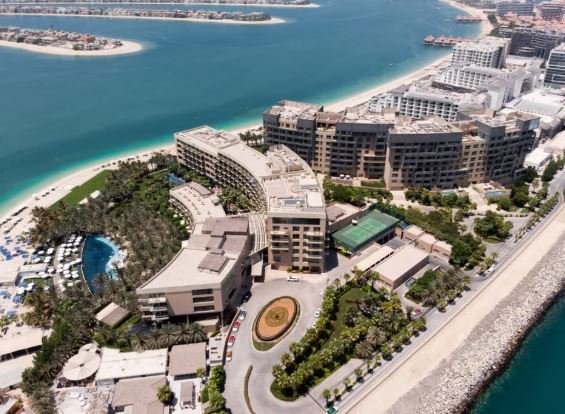
Dubai has become one of the world’s most competitive luxury hospitality destinations, attracting international hotel operators, property investors and tourism businesses looking to tap into its growing visitor economy. What makes the emirate particularly attractive is not simply its reputation for extravagant hotels, but its ability to generate demand through international tourism, business travel, premium leisure experiences and continuous investment in new developments.
For global hospitality brands, Dubai offers an opportunity to operate in a market where accommodation is closely connected to a wider commercial ecosystem of shopping, entertainment, fine dining, wellness, real estate and international events. This combination is encouraging established hotel groups to strengthen their presence while creating opportunities for new hospitality concepts and investors.
Dubai’s tourism performance reinforces this business appeal. The emirate welcomed 19.59 million international overnight visitors in 2025, reflecting the continued strength of its global tourism market. For hotel operators, this expanding visitor base provides an important foundation for occupancy, room revenue and demand for premium accommodation.
A Strong Tourism Economy Creates Confidence for Hotel Investors
One of the biggest reasons international hotel brands continue to target Dubai is the depth and diversity of its tourism market. Unlike destinations that depend heavily on seasonal leisure travel, Dubai attracts visitors throughout the year through a combination of holidays, corporate travel, exhibitions, conferences, shopping and entertainment.
This diversified demand allows hotels to develop different revenue streams rather than depending entirely on room bookings. Business travellers support weekday occupancy, while leisure visitors, families and regional tourists contribute to demand during holidays and weekends.
Dubai’s position as an international aviation hub further strengthens this advantage. Its connectivity with major markets across Europe, Asia, Africa and the Middle East makes the city accessible to a broad international customer base.
For hotel investors, strong connectivity combined with a diverse visitor profile can make long-term market positioning more attractive.
International Hotel Groups See Room for Expansion
Dubai’s hospitality market has developed into an important operating base for major international hotel companies. Global operators such as Marriott International, Hilton, Accor and IHG have established extensive portfolios across the emirate, covering luxury resorts, premium business hotels and lifestyle-focused properties.
Their continued interest reflects the commercial potential of a market where international brand recognition can attract travellers who value consistent service standards and familiar hospitality experiences.
However, competition is becoming increasingly sophisticated. Hotel operators are no longer competing only through room quality and location. They are investing in distinctive architecture, personalised guest services, premium restaurants, wellness facilities and exclusive leisure experiences.
For established hospitality groups, Dubai provides an opportunity to introduce new brands, test innovative hotel concepts and strengthen their regional presence.
Luxury Hospitality Is Expanding Beyond Traditional Hotel Services
The definition of luxury accommodation is changing. Affluent travellers increasingly expect experiences that extend beyond spacious rooms, premium interiors and conventional five-star services.
Hotels are responding by developing more specialised offerings, including private beach experiences, destination dining, wellness programmes, personalised concierge services and exclusive recreational activities.
This shift is creating opportunities for businesses operating alongside traditional hotel operators. Fine-dining restaurants, spa operators, luxury transport providers, event management companies and travel experience businesses can all benefit from the spending generated by premium tourism.
For hotel brands, these additional services also create opportunities to increase revenue per guest and encourage repeat visits.
The commercial advantage lies in building a complete hospitality experience rather than relying exclusively on accommodation income.
Branded Residences Are Creating Another Investment Avenue
One of the most significant developments connecting Dubai’s hospitality and property sectors is the expansion of branded residences.
International hotel brands are increasingly extending their identities into residential real estate through developments that combine private ownership with hotel-inspired amenities and services.
These projects appeal to buyers who value the reputation of an established hospitality brand, along with access to concierge assistance, housekeeping, wellness facilities and premium lifestyle services.
For developers, partnerships with internationally recognised hotel operators can strengthen property positioning and help differentiate projects in a competitive real estate market. For hospitality companies, branded residences provide opportunities to generate management and licensing income beyond traditional hotel operations.
This model is also strengthening the connection between tourism investment and Dubai’s premium residential property market.
New Developments Are Keeping the Market Competitive
Dubai’s hospitality industry continues to benefit from investment in tourism infrastructure, entertainment destinations, shopping districts and new lifestyle developments.
Rather than relying on a fixed collection of attractions, the emirate regularly introduces new experiences that encourage international visitors to return. This continuous development supports demand across different hospitality categories, from urban luxury hotels to beachfront resorts and desert retreats.
For investors, this creates opportunities to explore different market segments.
Some developments target international luxury travellers, while others focus on corporate guests, families, extended stays and lifestyle tourism. This variety allows hotel companies to build portfolios around different customer groups and price points.
However, the increasing supply of hotel rooms also means operators must carefully evaluate location, positioning, operating costs and expected returns before committing capital.
Tourism Businesses Are Strengthening the Hospitality Ecosystem
The growth of luxury hospitality is creating commercial opportunities for businesses beyond hotel ownership and management.
Tour operators, destination management companies, premium transport providers, event organisers and specialised travel service operators play an important role in shaping the visitor experience.
Luxury travellers often look for customised itineraries, private excursions, desert experiences, cultural programmes and exclusive dining arrangements. This creates opportunities for smaller tourism companies to collaborate with hotels and travel partners.
Local suppliers can also benefit from hotel demand for food, furniture, interior design, laundry, maintenance, technology and professional services.
For small and medium-sized businesses, these relationships provide potential access to a high-value hospitality supply chain without requiring the capital investment involved in developing a hotel.
Technology and Sustainability Are Reshaping Hotel Operations
As competition increases, hospitality businesses are placing greater emphasis on operational efficiency and service personalisation.
Digital booking platforms, AI-powered customer support, smart-room systems and data-driven revenue management are helping hotels understand guest preferences and manage operations more effectively.
Technology can also improve inventory planning, energy management and workforce allocation, helping operators control costs while maintaining service standards.
Sustainability is becoming another important consideration. Hotels are exploring energy-efficient buildings, water conservation, waste reduction and responsible sourcing. These measures can support environmental objectives while helping businesses manage long-term operating expenses.
For investors and hotel developers, properties that combine premium guest experiences with efficient operations may have a stronger competitive proposition.
Rising Competition Makes Strategic Investment Essential
Despite its strong appeal, Dubai’s luxury hospitality market is not without challenges. Increasing hotel supply can put pressure on room rates and occupancy, particularly when several premium properties compete for similar customer segments.
Operating expenses, staffing requirements, maintenance costs and the need for continuous property upgrades can also affect profitability.
Hotel operators must therefore understand their target customers and establish a clear market position. A property that offers a distinctive experience, strong service quality and an appropriate pricing strategy is better placed to compete than one relying solely on luxury branding.
Investors also need to consider development costs, financing conditions, location and the time required to achieve sustainable returns.
Dubai’s Hospitality Market Continues to Offer Global Business Opportunities
Dubai’s ability to attract international hotel brands is closely connected to its broader economic and tourism strategy. Strong global connectivity, a diverse visitor base, continuous infrastructure development and growing demand for premium experiences have helped establish the emirate as an important destination for hospitality investment.
The opportunities now extend well beyond traditional hotel development. Branded residences, luxury dining, wellness tourism, destination management, hospitality technology and specialised supply services are becoming important areas of commercial activity.
For international hotel groups, the emirate offers a platform for brand expansion and access to a global customer base. For investors and smaller businesses, it provides opportunities to participate in an increasingly interconnected tourism and hospitality economy.
As competition intensifies, long-term success will depend on more than building impressive properties. Businesses that understand changing traveller expectations, manage operating costs and deliver distinctive experiences will be better positioned to benefit from Dubai’s evolving luxury hospitality market.
