
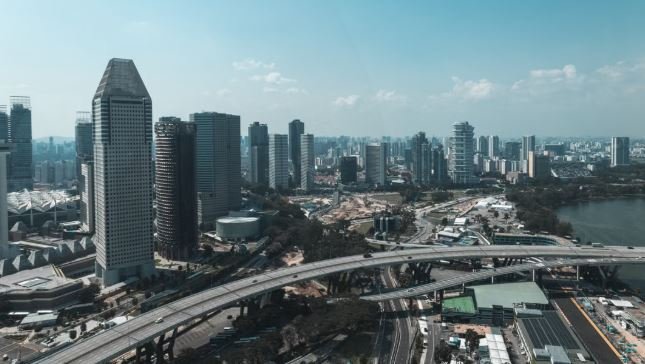
Singapore is strengthening its position as a regional clean-energy hub by building partnerships with neighbouring countries to secure reliable electricity and accelerate its energy transition. With limited land and domestic renewable resources, the country is increasingly turning to Southeast Asia and the wider Indo-Pacific for access to solar, wind and other low-carbon energy sources. This shift is creating fresh investment opportunities in renewable power, transmission infrastructure, energy storage and green finance.
Rising electricity demand from data centres, semiconductor manufacturing and other energy-intensive industries is adding urgency to this strategy. Singapore’s peak electricity demand reached approximately 8.6 gigawatts (GW) in August 2026 and could rise to between 9.9 GW and 13 GW by 2031. For businesses and investors, this growing demand presents opportunities across the regional clean-energy value chain, from infrastructure development and technology to financing and specialised services.
Singapore’s Cross-Border Energy Strategy: Key Investment Opportunities
1. Green Finance and Blended Capital Are Attracting International Investors
Financing remains a major challenge for large-scale renewable energy and infrastructure projects across Southeast Asia. Solar farms, offshore wind facilities and transmission networks require substantial upfront investment, while regulatory uncertainties and long development periods can affect investor confidence.
Singapore is addressing this challenge through blended finance arrangements that combine public funding, development finance and private investment. One of its major initiatives, Financing Asia’s Transition Partnership (FAST-P), is backed by a government commitment of up to US$500 million in concessional funding and aims to mobilise up to US$5 billion for sustainable infrastructure and energy transition projects across Asia.
These financing structures can reduce investment risks and make projects more attractive to commercial lenders, institutional investors and infrastructure funds.
For businesses, this creates opportunities in project financing, investment management, financial advisory and risk assessment. Renewable energy developers can also benefit from access to diversified funding sources, helping them move projects closer to implementation.
2. Cross-Border Electricity Trade Is Creating Infrastructure Opportunities
Regional electricity connectivity is becoming central to Singapore’s long-term energy strategy. The country aims to import approximately 6 GW of low-carbon electricity by 2035, giving it access to renewable resources available in neighbouring markets.
The proposed import pipeline is already substantial. Singapore has granted conditional approvals to 13 projects representing a combined potential capacity of approximately 9.25 GW, involving electricity supplies from Australia, Cambodia, Indonesia, Malaysia and Vietnam.
A notable development is the proposed 1.3 GW electricity import project involving Sembcorp Utilities and partners from Malaysia and Vietnam. The project plans to combine offshore wind power from Vietnam with solar electricity from Malaysia, with imports targeted to begin by 2035, subject to further approvals and agreements.
These developments could benefit engineering, procurement and construction (EPC) contractors, subsea cable manufacturers, electrical equipment suppliers and transmission technology providers. For infrastructure investors, cross-border power networks also offer opportunities to participate in long-term assets supporting regional electricity trade.
3. ASEAN Power Grid Is Expanding the Regional Investment Market
Singapore’s energy partnerships are closely linked to the ASEAN Power Grid initiative, which aims to strengthen electricity connectivity and facilitate power trading across Southeast Asia.
The development of an integrated regional grid could help countries make better use of their solar, wind and hydropower resources while improving electricity supply security. Economies with abundant renewable energy potential could become important electricity suppliers, while countries with limited domestic resources could benefit from regional imports.
Southeast Asia is expected to require more than US$100 billion in transmission infrastructure investment over the next two decades. This creates opportunities for construction companies, power equipment manufacturers, engineering consultants and grid technology providers.
Businesses specialising in high-voltage systems, grid modernisation and power management could benefit as regional electricity projects progress. Greater connectivity could also encourage long-term partnerships between utilities, governments and private investors.
4. Battery Storage and Renewable Energy Technologies Are Emerging as Investment Priorities
As renewable electricity generation expands, efficient energy storage is becoming essential to maintaining a reliable power supply. Solar and wind generation can fluctuate depending on weather conditions, making battery energy storage systems (BESS) and pumped-storage hydropower increasingly important.
Singapore is strengthening its domestic renewable energy infrastructure. The country has achieved approximately 2.3 gigawatt-peak (GWp) of solar capacity and is targeting 3 GWp by 2030, with a longer-term ambition of reaching 4 GWp by 2035. It also aims to increase energy storage capacity from around 350 megawatt-hours (MWh) to more than 1 gigawatt-hour (GWh) by 2030.
These developments create opportunities for battery manufacturers, renewable energy developers, smart-grid companies and energy management businesses.
Companies providing battery monitoring, electricity forecasting, grid-balancing software and storage optimisation solutions could benefit from growing regional demand. For investors, energy storage is particularly important because it supports renewable generation, electricity trading and grid reliability.
5. Carbon Markets and Renewable Energy Certificates Are Creating New Business Opportunities
The expansion of cross-border electricity trade is increasing demand for transparent carbon accounting and renewable energy certification.
As multinational companies strengthen their environmental commitments, they need reliable ways to measure renewable electricity consumption and track progress towards emissions reduction targets.
Singapore is developing its position as a regional centre for carbon services, sustainable finance and environmental market activities. Its established financial ecosystem offers opportunities for companies involved in carbon trading, sustainability consulting, emissions verification and environmental reporting.
Renewable energy certificates (RECs) are also becoming important for businesses seeking to account for the renewable electricity attributes associated with their power consumption. However, credible cross-border trading requires transparent standards, reliable verification and safeguards against double-counting.
This creates opportunities for green-fintech companies, carbon project developers, auditing firms and sustainability consultants. Financial institutions can also explore services linked to carbon assets and sustainable investment products.
6. Green Hydrogen and Advanced Energy Technologies Could Attract Long-Term Investment
Singapore’s energy partnerships are gradually extending into emerging technologies such as green hydrogen, green ammonia and advanced nuclear research.
Green hydrogen and ammonia could help reduce emissions in industries where direct electrification is difficult, including shipping, chemicals and heavy manufacturing. Their development requires investment in renewable power generation, electrolysers, storage facilities and transportation infrastructure.
This creates opportunities for technology developers, equipment manufacturers, engineering companies and specialised infrastructure investors.
Advanced nuclear technologies, including small modular reactors (SMRs), are also attracting international research interest. However, their commercial development will depend on technological readiness, regulatory approvals, safety requirements and economic viability.
For businesses, early participation in research, technical consulting and supporting infrastructure could provide opportunities as these technologies mature.
How Cross-Border Energy Partnerships Will Benefit Businesses
The expansion of Singapore’s energy partnerships will create commercial opportunities beyond conventional power generation.
-
Infrastructure and Construction: Transmission networks, subsea cables, substations and renewable energy facilities will generate demand for engineering contractors and equipment suppliers.
-
Banking and Financial Services: Green bonds, blended finance, infrastructure funds and sustainable investment products will open opportunities for banks and asset managers.
-
Manufacturing: Growing demand for batteries, transformers, solar components and power electronics could support regional manufacturing and supply-chain expansion.
-
Technology and Digital Services: Smart-grid software, energy forecasting, automated monitoring and cybersecurity solutions will become increasingly important.
-
Shipping and Logistics: Green hydrogen, ammonia and other low-carbon fuels could create demand for specialised port facilities, storage and transportation services.
-
Professional Services: Cross-border projects will require legal advisory, regulatory compliance, environmental assessments and project management.
Small and medium-sized enterprises (SMEs) can also benefit from this expanding market. Opportunities in equipment maintenance, component manufacturing, technical support, software development and specialised consulting could allow smaller businesses to participate in regional energy supply chains without investing directly in large power projects.
Challenges That Investors and Businesses Need to Consider
Despite the growing potential, cross-border energy partnerships involve financial, technical and regulatory challenges.
-
Regulatory differences: Different electricity market structures, licensing requirements and investment policies can complicate project approvals.
-
High infrastructure costs: Subsea cables, renewable energy facilities and storage systems require substantial upfront capital.
-
Grid integration: Connecting national electricity networks requires compatible technical standards and reliable transmission infrastructure.
-
Cybersecurity: Greater regional connectivity increases the need to protect critical electricity networks from cyber threats.
-
Investment risks: Currency exposure, financing costs and uncertain electricity pricing can affect project profitability.
Addressing these challenges through transparent regulations, effective risk-sharing arrangements and stronger regional cooperation will be essential to attracting long-term investment.
Conclusion
Singapore’s cross-border energy partnerships are creating a growing investment ecosystem that connects renewable power, infrastructure, finance and advanced technology. With electricity demand increasing and a target of importing 6 GW of low-carbon electricity by 2035, regional cooperation is becoming an important part of the country’s long-term energy strategy.
For businesses, the opportunities extend beyond electricity generation to include transmission infrastructure, battery storage, clean-technology manufacturing, green financing and carbon services. Singapore’s ability to connect regional energy resources with international capital and technical expertise could further strengthen its position as a gateway for investment across Southeast Asia.
The next phase of growth will depend on turning proposed projects into commercially viable and reliable infrastructure. Businesses that develop strong regional partnerships, invest in specialised capabilities and understand changing energy requirements will be better positioned to benefit from the transition. Ultimately, Singapore’s energy strategy could become an important driver of investment, industrial development and sustainable economic growth across the region.