
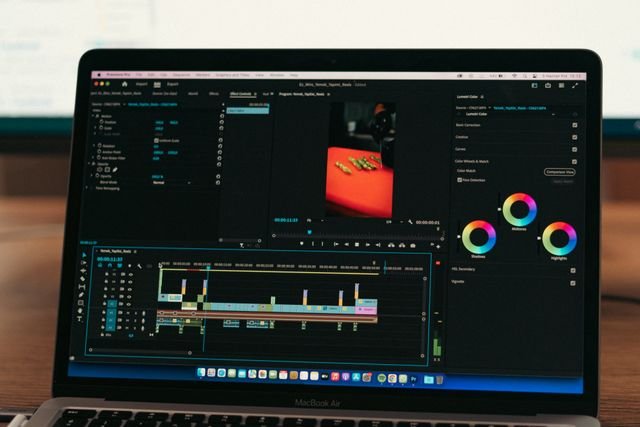
Artificial intelligence is changing the way video content is planned, produced, and edited. From automated video creation to intelligent editing features, modern AI technologies are helping businesses and content creators develop professional visual experiences with greater efficiency.
Video has become one of the most important forms of digital communication. Brands use it to promote products, educators use it to explain complex subjects, and creators use it to share stories with global audiences. As demand for video continues to increase, AI-powered solutions are making production more accessible and introducing new creative opportunities.
The Evolution of AI-Powered Video Creation
Traditional video production often requires cameras, editing software, recording equipment, and considerable technical expertise. Artificial intelligence is simplifying these processes by automating several stages of content development.
An AI video generator allows users to create video content from text descriptions, images, and other visual inputs. Depending on the platform, creators can generate animated sequences, promotional clips, product demonstrations, and social media videos without following a traditional filming process.
This technology is particularly valuable for businesses that need to produce content regularly. Marketing teams can explore different advertising concepts, while independent creators can experiment with storytelling without investing heavily in production equipment.
Why Video Editing Is Becoming More Intelligent
Generating video content is only one part of the creative process. Editing plays an equally important role in determining how effectively a video communicates its message.
Artificial intelligence is introducing intelligent editing capabilities that help users organize footage, adjust scenes, improve visual consistency, and create smoother transitions between different clips.
These developments reduce the amount of repetitive manual work involved in post-production and allow editors to concentrate on storytelling and creative decisions.
Creating Smoother Visual Experiences With AI
Transitions help connect individual scenes and maintain continuity throughout a video. Poorly executed transitions can make content feel disconnected, while well-designed effects create a more professional viewing experience.
Modern AI video transitions are helping creators introduce smoother visual changes between scenes. AI-powered editing technologies can analyze video content and assist with transition effects that complement movement, composition, and visual style.
These capabilities are useful for several types of projects:
- Social media videos: Creating smooth scene changes in short-form content.
- Marketing campaigns: Connecting product demonstrations and promotional sequences.
- Travel videos: Combining footage from different locations into a cohesive story.
- Educational content: Moving between topics and instructional segments naturally.
- Creative filmmaking: Experimenting with dynamic visual effects and cinematic scene changes.
By simplifying transition creation, AI is helping both beginners and experienced editors produce more polished videos.
How Businesses Are Using AI Video Technology
Businesses are increasingly incorporating video into their digital marketing strategies. Product demonstrations, customer testimonials, advertisements, and explainer videos are all important ways to communicate with potential customers.
AI-powered video tools can help organizations develop these materials more efficiently. Instead of depending entirely on traditional production teams, businesses can experiment with automated content creation and editing workflows.
For example, an e-commerce company might create promotional videos for different products, while a marketing agency could develop several variations of an advertisement for different target audiences.
This flexibility makes it easier to test creative ideas, update campaigns, and maintain a consistent publishing schedule.
The Importance of Creativity in AI-Assisted Editing
Although artificial intelligence can automate many technical tasks, successful video production still depends on creative direction.
A well-produced video needs more than attractive effects. Storytelling, pacing, music selection, scene composition, and audience understanding all influence the final result.
AI tools can suggest improvements and simplify editing, but creators must decide which effects support the intended message. Using too many transitions or unnecessary visual effects can distract viewers rather than improve their experience.
The most effective approach combines AI-powered assistance with human creativity and careful editing decisions.
Challenges and Considerations When Adopting AI Video Tools
Despite the benefits, AI video production also presents certain challenges. Generated footage may require manual adjustments, and automated editing decisions do not always match the creator’s vision.
Content quality, visual consistency, licensing, and responsible use of generated media should also be considered.
Businesses should evaluate different platforms based on their creative requirements, output quality, editing flexibility, and available features before incorporating them into their workflows.
What the Future Holds for AI Video Production
Artificial intelligence is expected to make video creation and editing increasingly sophisticated. Future technologies may offer more realistic motion, improved scene understanding, automated storytelling, and greater control over visual effects.
The integration of intelligent video generation and advanced transition techniques will provide creators with new ways to develop engaging digital experiences.
Ultimately, AI is not just making video production faster; it is expanding the creative possibilities available to businesses and individuals. Those who learn to combine intelligent tools with effective storytelling will be better positioned to succeed in the evolving digital media landscape.
