
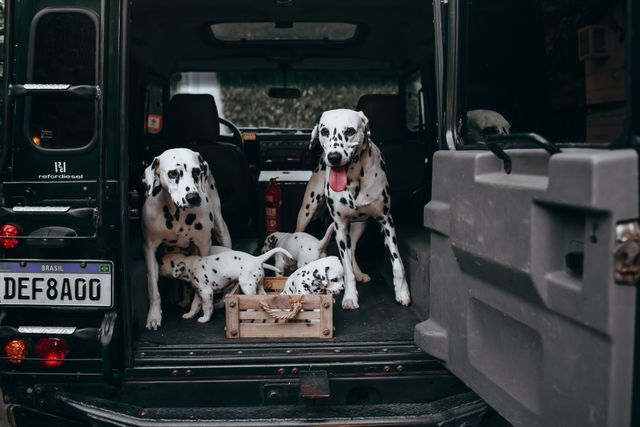

According to recent 2025 data, 73 percent of Australian households now own a pet, bringing the nationwide dog population to an estimated 7.3 million. At the same time, dual-cab utility vehicles like the Ford Ranger and Toyota HiLux have continued their reign as the highest-selling vehicles across the country. These versatile vehicles serve a dual purpose, functioning as rugged workhorses during the week and capable off-road explorers on the weekends. With Australians spending over $21 billion annually on premium pet care and travel accessories, it is clear that canine companions are highly valued passengers. However, combining our love for dogs with the utility of a ute requires specific safety measures. Upgrading your vehicle to handle animal transport safely is a critical responsibility for any driver.
Upgrading Your Setup with Purpose-Built Enclosures
Standard metal ute trays and traditional enclosed canopies are simply not designed with animal welfare in mind. Uncovered metal trays rapidly absorb and retain solar radiation. On sunny days, these surfaces routinely reach temperatures high enough to cause severe thermal burns to a dog’s paw pads and abdomen. Conversely, while standard enclosed canopies are excellent for keeping off-road dust away from expensive tools, they completely eliminate critical airflow. Even on a relatively mild 22-degree day, the interior of a sealed, unventilated canopy can soar to 47 degrees, creating a fatal heatstroke environment for an animal in a matter of minutes.
To mitigate these severe environmental dangers, specific vehicle modifications are absolutely necessary. When utility vehicle drivers search for quality dog boxes for sale, they are taking a vital step toward responsible pet ownership. A purpose-built, highly ventilated aluminium box ensures that dogs remain cool, secure, and protected from flying debris during transit. This dedicated space offers far more protection and comfort than a simple tether, ensuring your dog arrives at the destination in perfect health.
The Legal and Physical Risks of Unsecured Pets
Beyond the environmental hazards of heat and dust, transporting an unrestrained dog in the back of a ute is a significant legal liability. Across Australia, traffic and animal protection laws are strictly enforced to prevent injuries. In New South Wales, drivers caught transporting a dog without adequate restraint can face steep fines of up to $5,500 and a potential six-month jail sentence. Queensland traffic laws are even stricter, with penalties exceeding $8,600 for similar offences.
To understand the full scope of these legal obligations, it is important to consult recognized animal welfare experts. According to RSPCA Australia, transporting an unrestrained dog on an open vehicle is illegal across most states, and they strongly recommend using a fixed transport crate directly behind the cabin to prevent falls and minimize weather exposure. Unrestrained pets also pose a severe distraction to the driver. Recent road safety studies show that over half of Australian drivers have experienced a driving distraction caused by an unsecured pet in a twelve-month period. Furthermore, in the event of a sudden stop or collision, an unrestrained dog can be launched forward with a force equivalent to 30 to 60 times its own body weight, severely endangering the animal, the driver, and other road users.
Practical Checklist for Utility Vehicle Owners
Ensuring your vehicle is completely ready for canine transport involves more than just purchasing an enclosure. It requires regular vehicle checks and thoughtful preparation. Prioritizing your working dog’s wellbeing is just as critical as researching the latest automobile safety standards before heading out on a long rural road trip. A thorough inspection of your suspension and tie-down points guarantees that the added weight of an enclosure will not negatively impact vehicle handling or fuel efficiency.
Consider this essential checklist when modifying and preparing your utility vehicle for safe animal transport:
- Ventilation and Airflow: Always ensure your transport box has ample cross-ventilation. This prevents stagnant hot air from accumulating and allows fresh air to circulate, even when the vehicle is stationary in traffic.
- Thermal Insulation: Under Victorian animal cruelty legislation, utility vehicle drivers must provide insulating material on metal trays when the outside temperature reaches 28 degrees Celsius or higher. Always line the floor of your transport enclosure with high-quality rubber matting.
- Secure Mounting Systems: A transport box must be securely bolted to the vehicle tray using heavy-duty hardware. In the event of an off-road bump or a collision, an unsecured box can shift or become a dangerous projectile.
- Strategic Placement: Position the enclosure directly behind the vehicle cabin. This specific area minimizes exposure to harsh headwinds and swirling dust, providing a much smoother ride for your pet.
Safely transporting a dog requires proactive planning and the right vehicle upgrades. By investing in proper, well-ventilated enclosures and adhering to strict state regulations, drivers can ensure their pets enjoy the journey securely while avoiding severe legal penalties. Whether you are heading to a demanding rural job site, navigating a crowded suburban worksite, or embarking on a leisurely weekend camping trip in the outback, prioritizing your dog’s safety is essential. Taking these steps guarantees peace of mind for everyone on the road, knowing that your most loyal companion is safe, comfortable, and ready for whatever adventure lies ahead.