
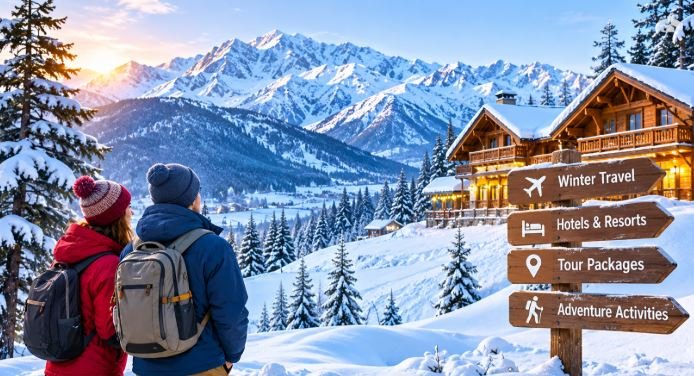
Winter tourism has evolved beyond traditional holiday travel into a significant commercial opportunity for the tourism and hospitality industry. Every winter, travellers seek experiences that range from snow-covered mountain destinations and luxury hill resorts to festive city breaks, wellness retreats and warm-weather coastal escapes. This seasonal movement generates economic activity across accommodation, transportation, food services, entertainment, retail and local tourism businesses.
For the hospitality sector, winter represents an opportunity to attract new customers, improve occupancy rates and increase revenue through specialised travel experiences. Hotels are developing seasonal packages, airlines and transport providers are responding to changing travel demand, and tour operators are creating itineraries around adventure, culture, relaxation and family holidays.
The business landscape is also changing as travellers become more selective about how and where they spend their holiday budgets. Personalised experiences, convenient digital bookings, quality services and authentic local attractions are increasingly important considerations. Tourism businesses that understand these expectations can turn seasonal demand into stronger customer relationships and sustainable commercial growth.
1. Winter Tourism Creates New Revenue Opportunities
Winter travel supports a broad network of businesses, making it an important contributor to destination economies.
From accommodation providers to local transport operators, seasonal visitor spending can create opportunities across multiple industries.
Major winter tourism segments include:
- Snow tourism: Skiing, snowboarding, snow trekking and mountain sightseeing attract adventure travellers.
- Hill station tourism: Scenic accommodation, nature experiences and peaceful surroundings appeal to families and couples.
- Festive tourism: Christmas markets, winter festivals and cultural celebrations encourage seasonal travel.
- Wellness tourism: Spa resorts, nature retreats and relaxation packages attract visitors seeking rejuvenation.
- Warm-weather tourism: Coastal and tropical destinations benefit from travellers looking to escape colder climates.
These different travel preferences allow tourism businesses to develop specialised products for different customer groups and spending levels.
In India, destinations such as Kashmir, Himachal Pradesh and Uttarakhand attract winter visitors through snowfall, mountain scenery and adventure activities. Meanwhile, Goa, Kerala and other coastal destinations appeal to travellers seeking warmer weather and outdoor experiences.
2. Hotels and Resorts Can Increase Seasonal Profitability
Hotels and resorts are among the major beneficiaries of winter travel demand. However, profitability depends on more than increasing room occupancy.
Hospitality businesses can improve their commercial performance by combining accommodation with experiences that encourage visitors to spend more during their stay.
Popular seasonal offerings include:
- Winter accommodation and dining packages.
- Family holiday deals and recreational activities.
- Luxury stays and romantic experiences.
- Spa, wellness and relaxation packages.
- Guided sightseeing and adventure activities.
- Festive dining and seasonal entertainment.
For example, a mountain resort can combine accommodation with guided trekking, regional cuisine and local sightseeing. Such packages create additional revenue opportunities while offering visitors a more complete holiday experience.
Hotels can also use customer preferences and booking information to personalise offers, improve guest satisfaction and encourage repeat visits.
3. Tour Operators Are Expanding Seasonal Travel Packages
The growing diversity of traveller expectations is creating opportunities for travel agencies and tour operators to develop more specialised holiday products.
Not every traveller wants the same winter experience. Some prefer luxury accommodation and private sightseeing, while others seek affordable group tours, adventure holidays or short family breaks.
Travel companies can respond through:
- Budget-friendly winter holiday packages.
- Premium mountain and resort experiences.
- Family and group travel programmes.
- Adventure and outdoor tourism.
- Cultural and heritage tours.
- International winter holiday packages.
Digital booking platforms have also made it easier for customers to compare prices, destinations and accommodation options.
For travel companies, transparent pricing, reliable information and convenient booking services are becoming essential to attracting customers in a competitive market.
4. Local Businesses and Communities Benefit from Winter Tourism
The economic contribution of winter tourism extends far beyond hotels and travel agencies.
Visitors spend money on restaurants, local transportation, shopping, entertainment, sightseeing and cultural activities. This spending supports small businesses and creates income opportunities for communities.
Restaurants can introduce seasonal menus featuring regional cuisine. Local artisans can promote handicrafts and souvenirs, while independent guides and transport providers can offer specialised visitor services.
For destinations where tourism is a major source of employment, seasonal demand can provide important income opportunities for local households.
However, these benefits depend on responsible destination planning, adequate infrastructure and meaningful participation by local communities.
5. Digital Marketing Is Transforming Winter Travel Businesses
Digital platforms have changed how travellers discover destinations, compare holiday packages and make bookings.
For tourism businesses, digital marketing is now an important part of seasonal sales and customer acquisition strategies.
Key approaches include:
- Social media marketing: Promoting destinations through engaging photographs, videos and travel stories.
- Search engine optimisation: Publishing useful destination guides and travel information to improve online visibility.
- Influencer partnerships: Collaborating with credible travel creators to showcase genuine visitor experiences.
- Personalised advertising: Promoting relevant holiday packages to specific customer segments.
- Online reputation management: Responding to reviews and maintaining accurate business information.
- Direct booking strategies: Encouraging customers to book through official websites and digital channels.
A well-planned digital strategy can help smaller hotels, resorts and tour operators reach travellers beyond their immediate markets.
Authentic content, clear pricing and reliable customer service are particularly important for building trust and converting online interest into bookings.
6. Airlines and Transport Providers Gain from Seasonal Demand
Winter tourism creates commercial opportunities for airlines, railways, car rental companies, taxi operators and local transportation providers.
As travellers plan holidays, demand for convenient connections between airports, railway stations, hotels and tourist attractions can increase.
Transport companies can strengthen their services through:
- Seasonal travel packages and promotional fares.
- Airport and railway station transfers.
- Local sightseeing transportation.
- Car rental and guided road trips.
- Flexible booking and customer support.
For mountain and remote destinations, transport reliability becomes especially important. Snowfall, road conditions and weather disruptions can affect travel schedules and visitor safety.
Businesses that prioritise clear communication, dependable services and appropriate safety measures can strengthen customer confidence.
7. Sustainable Winter Tourism Is Essential for Long-Term Growth
Although winter tourism offers significant commercial opportunities, unmanaged visitor growth can create pressure on natural resources and local infrastructure.
Popular destinations may face overcrowding, waste management problems, increased water consumption and environmental degradation. Mountain ecosystems can be particularly sensitive to irresponsible tourism practices.
Sustainable tourism is therefore becoming an important part of long-term business planning.
Businesses can support responsible tourism by:
- Improving waste management and reducing plastic use.
- Managing energy and water consumption.
- Supporting local suppliers and community enterprises.
- Promoting responsible nature and wildlife tourism.
- Encouraging environmentally conscious transportation.
- Preserving cultural heritage and natural landscapes.
- Supporting visitor management in environmentally sensitive locations.
For hotels and resorts, efficient resource management can also help control operating costs and strengthen brand reputation.
8. Personalised Experiences Are Driving Customer Loyalty
Modern travellers increasingly value experiences that reflect their interests, preferences and lifestyles.
While some visitors seek adventure and outdoor activities, others prioritise relaxation, wellness, cultural discovery or family entertainment.
Tourism businesses can respond by offering customised itineraries, specialised dining experiences, guided local tours, wellness programmes and flexible accommodation options.
Personalisation can improve customer satisfaction and encourage repeat bookings. It also helps businesses differentiate their services from competitors offering similar destinations and accommodation.
Ultimately, the quality of a holiday is often shaped by the details: comfortable stays, welcoming hospitality, authentic food, reliable services and experiences that create lasting memories.
9. Challenges the Winter Tourism Industry Must Address
Despite its growth potential, winter tourism businesses must manage several operational and commercial challenges.
Key challenges include:
- Seasonal fluctuations in bookings and revenue.
- Rising staffing and operating costs.
- Weather-related travel disruptions.
- Competition between domestic and international destinations.
- Maintaining service quality during peak periods.
- Pressure on infrastructure and natural resources.
- Changing customer expectations and price sensitivity.
Businesses can address these challenges through better seasonal planning, flexible pricing, staff training, strategic partnerships and improved customer communication.
Developing year-round tourism products can also reduce dependence on a limited winter booking period.
Conclusion:
Winter tourism represents an important commercial opportunity for the wider travel and hospitality ecosystem. Its economic impact extends beyond hotel occupancy and airline bookings, supporting restaurants, transport providers, retailers, local artisans, tour operators and communities that depend on visitor spending.
However, long-term profitability will depend on how effectively businesses respond to changing traveller expectations. Investment in digital marketing, personalised holiday packages, quality accommodation, reliable transportation and distinctive local experiences can help destinations attract visitors and encourage repeat bookings. At the same time, effective cost management, workforce development and seasonal planning will be essential to maintaining healthy business margins.
Sustainability must remain central to this growth strategy. Destinations that protect natural resources, preserve cultural heritage and involve local communities can build stronger tourism economies over time.
Ultimately, the future of winter tourism will not be measured only by visitor numbers, but also by the economic value generated, the quality of experiences delivered and the benefits created for local communities. For the tourism and hospitality industry, winter is more than a holiday season—it is an opportunity to build lasting business value.
