
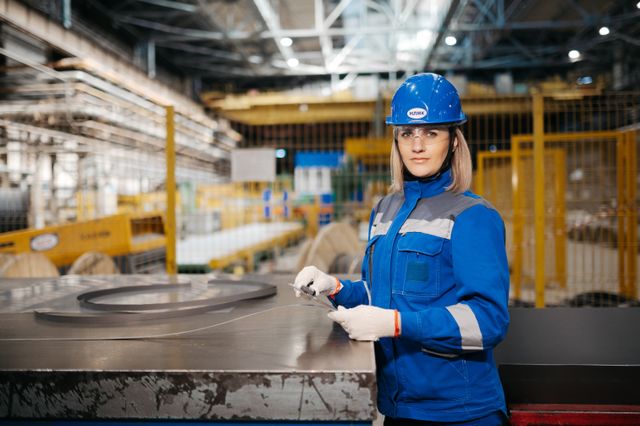

Weld inspection (this is commonly referred to as ตรวจสอบแนวเชื่อม in Thai) helps businesses avoid emergency repairs by finding hidden defects before they turn into breakdowns, leaks, shutdowns, or safety incidents. In industries where welded joints hold pressure, weight, heat, vibration, or hazardous materials, a small flaw can quietly grow into an expensive disruption. By using reliable testing methods such as ultrasonic testing, companies can plan repairs early, protect equipment life, and keep operations moving with fewer surprises.
Why Emergency Repairs Hurt More Than Planned Maintenance
Emergency repairs rarely arrive at a convenient time. They interrupt production, pull teams away from scheduled work, and often require urgent parts, overtime labour, equipment isolation, and fast decisions under pressure.
For a business, the repair cost is only part of the problem. There may also be delayed deliveries, missed output targets, safety reviews, customer complaints, and regulatory questions. A cracked weld on a pressure vessel, pipe section, tank connection, or lifting structure can create a chain reaction across the whole operation.
Planned inspection gives businesses time. Time to assess. Time to budget. Time to repair properly.
What Weld Defects Can Stay Hidden?
Not every weld problem can be seen from the surface. A joint may look neat from the outside while carrying internal flaws that weaken its performance.
Common defects include:
- When the weld does not fully stick to the main metal
- Internal cracks caused by stress or poor welding conditions
- Porosity trapped inside the weld
- Slag inclusions left within the joint
- Incomplete penetration at the weld root
- Wall thinning or damage around welded areas
These issues may not cause immediate failure, which is exactly why they are dangerous. They wait inside the material until pressure, vibration, temperature change, or repeated loading makes them worse.
How Ultrasonic Testing Supports Better Decisions
Ultrasonic testing uses high-frequency sound waves to examine the inside of a welded component without cutting it open. When the sound wave meets a flaw, it reflects a signal back to the equipment. Skilled technicians interpret these signals to identify the location, size, and possible nature of the discontinuity.
This gives maintenance and engineering teams more than a simple pass or fail result. It gives them practical information. They can decide whether the asset can continue operating, whether it needs monitoring, or whether repair should be scheduled before the next production cycle.
That level of detail helps avoid panic repairs. Instead of reacting after failure, the business can act while it still has control.
The Business Value of Early Weld Testing
A strong inspection programme can support several business goals at once:
● Less Unplanned Downtime
When defects are found early, repairs can be arranged during planned shutdowns or low-production periods.
● Lower Repair Costs
Small weld issues are often easier and cheaper to correct than major failures involving damaged components, lost materials, or replacement equipment.
● Better Safety Control
Weld failure in industrial equipment can place workers and nearby assets at risk. Inspection reduces uncertainty in high-risk areas.
● Stronger Compliance Records
Clear inspection documentation supports audits, quality assurance, certification, insurance reviews, and client requirements.
● Longer Equipment Service Life
Routine testing helps businesses understand how welded assets age, especially in environments exposed to pressure, corrosion, heat, or vibration.
A Smarter Way to Keep Work Moving
Emergency repairs are costly because they remove choice. They force the business to stop, react, and recover. Regular weld testing restores that choice by giving engineers real evidence before trouble becomes visible. For dependable ultrasonic testing and professional NDT support, contact NDT Thai and keep your welded assets ready for safe, steady operation.