

New Delhi, Sep 7: South Korea’s exports to India jumped 30.8 per cent year-on-year to $16.8 billion during the first eight months of 2026, as strong demand for semiconductors and technology products boosted trade between the two countries.
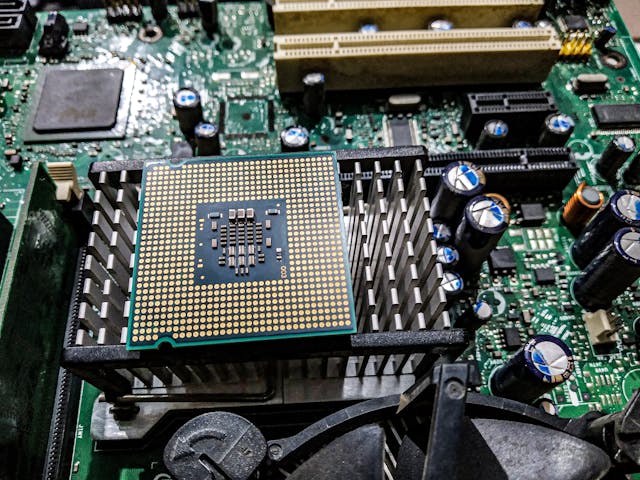
The sharp increase comes at a time when semiconductors and electronics have become critical to the global economy. Growing demand for artificial intelligence, smartphones, computers, electric vehicles, data centres and other digital technologies is driving demand for advanced chips and electronic components.
South Korea, a global leader in semiconductor manufacturing, is benefiting strongly from this technology boom. Its semiconductor exports have surged as AI-related investment has increased demand for high-performance and memory chips.
For India, the increase in Korean shipments reflects the country’s rapidly expanding electronics and technology ecosystem. Semiconductors are increasingly required by Indian manufacturers of mobile phones, automobiles, telecommunications equipment, consumer electronics and other high-tech products.
The growing trade also creates opportunities for Indian and South Korean companies to work more closely in areas such as semiconductor manufacturing, chip design, electronics production, batteries, automobiles and advanced technology.
India is simultaneously working to build a stronger domestic semiconductor industry and reduce dependence on imported technology. Greater cooperation with South Korea could provide Indian companies with access to advanced manufacturing expertise, technology and global supply chains.
For South Korea, India represents a large and growing market where its semiconductor and electronics companies can expand their presence. For India, stronger ties with Korean technology companies could support investment, manufacturing capacity, technology transfer and skilled employment.
The latest export figures therefore point to a broader shift in India-South Korea trade, with technology-intensive products playing an increasingly important role. As AI and digitalisation continue to drive global demand, semiconductors and electronics are likely to become an even bigger part of the economic relationship between the two countries.