

The global wellness industry has spent the last decade selling the body. Fitness trackers, protein powders, recovery tools, skin supplements — the focus has been overwhelmingly physical. But a shift is underway. Brain health is emerging as a distinct and fast-growing consumer category, attracting both investment and mainstream attention in ways that would have seemed unlikely five years ago.
The question is no longer whether brain wellness will become a major market. It is how quickly, and who will define it.
The numbers behind the shift
The global brain health supplement market alone was valued at over $8 billion in 2023 and is projected to exceed $15 billion by 2030. But supplements are only one slice of a much larger picture. Neurofeedback devices, cognitive training platforms, meditation technology, and hardware-based interventions like transcranial stimulation and hyperbaric oxygen chambers are all expanding in parallel.
What is driving this growth is not a single trend but a convergence of several. An ageing population in Europe and North America is increasingly concerned with cognitive decline. Younger professionals are seeking mental performance advantages in competitive knowledge-economy careers. And the post-pandemic awareness of brain fog, mental fatigue, and emotional burnout has made cognitive wellness a mainstream concern rather than a niche interest.
From pharma to consumer
What makes the brain health category genuinely new is not the science — researchers have been studying cognitive enhancement and neuroprotection for decades. What is new is the shift from clinical and pharmaceutical contexts into the consumer space.
Nootropic supplements were among the first to make this crossing. Brands like Onnit and Thesis built direct-to-consumer businesses around cognitive performance stacks, normalising the idea that healthy people could and should invest in brain function. The language shifted from treatment to optimisation, from patients to consumers.
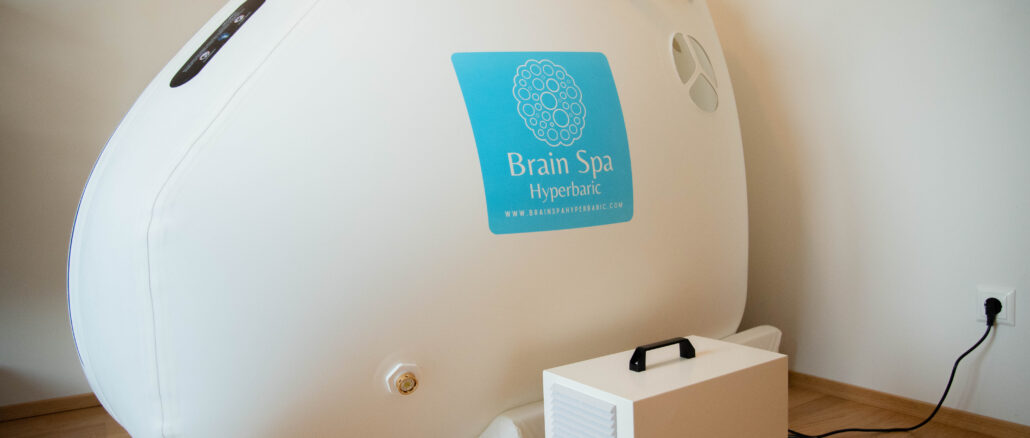
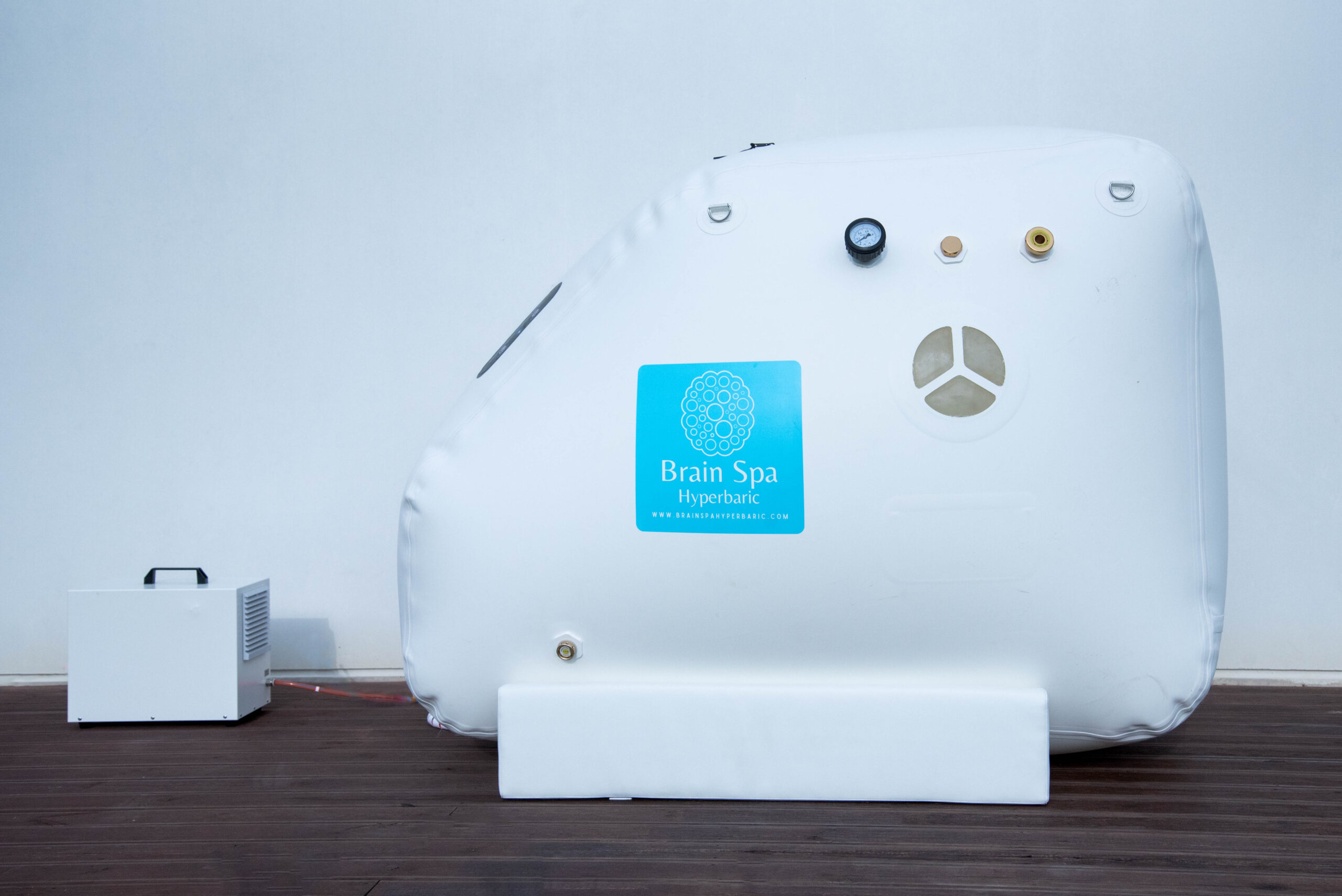
Hardware followed. Muse and other consumer EEG headbands brought neurofeedback out of clinical settings and into living rooms. Transcranial direct current stimulation devices, once confined to research labs, began appearing on consumer electronics shelves. And more recently, mild hyperbaric oxygen chambers — pressurised enclosures that increase ambient pressure to promote oxygen absorption — have begun entering the home wellness market.
In Europe, this last category is still in its early stages, but brands are beginning to establish positions. Brain Spa Hyperbaric is one example — a European brand that has built its entire positioning around brain-first wellness, offering mild hyperbaric chambers designed for regular home use and pairing them with science-informed consumer education rather than medical claims. It is a model that reflects where the broader category is heading: away from clinical framing and toward lifestyle integration.
Why brain health is different from body wellness
The brain health category presents unique challenges and opportunities for brands compared to the more established body wellness market.
On the challenge side, the regulatory environment is more complex. Making claims about cognitive improvement requires careful navigation of medical device regulations, advertising standards, and consumer protection laws — particularly in the European Union. Brands that overreach with therapeutic language risk regulatory action. Those that stay within wellness and lifestyle framing can build sustainable businesses, but the line requires constant attention.
On the opportunity side, the brain health consumer tends to be more educated, more research-driven, and more willing to invest in long-term outcomes rather than quick fixes. This creates a market where quality education and transparency function as genuine competitive advantages rather than marketing afterthoughts. Brands that invest in explaining the science — including its limitations — build deeper trust than those that simply make bold promises.
What comes next
The brain health category is following a pattern familiar from earlier wellness waves. First comes scientific research, then clinical application, then consumer product development, then mainstream adoption. Brain wellness is currently in the third phase, with consumer products proliferating but mainstream adoption still limited.
Several developments could accelerate the transition. Wearable devices are becoming increasingly capable of measuring cognitive metrics — attention, reaction time, sleep architecture — which creates the same data-driven purchase motivation that drove the fitness hardware boom. Insurance and employer wellness programmes are beginning to recognise cognitive health as a legitimate category. And the growing body of research on neuroplasticity continues to validate the idea that the brain is not a fixed organ but one that responds to environmental inputs throughout life.
For entrepreneurs, investors, and brand builders, the brain health space represents one of the most significant untapped opportunities in consumer wellness. The market is large, the consumer is motivated, and the category is still early enough that brand positioning — rather than price competition — will determine who wins.
The body wellness market is mature. The brain wellness market is just getting started.