
A reusable lunch box can look surprisingly unremarkable in a catalogue photograph: a lid, a compartment and a pale background. Yet a small manufacturer needs a buyer to notice what makes the object useful before asking that buyer to read a specification sheet. For a proposed trade presentation, my starting point would be a short film that shows the box moving from an empty desk to a packed working lunch. The product remains the subject throughout; there is no imaginary factory tour or invented customer testimonial.
The materials for this concept are deliberately modest. I would request an approved front view, a photograph with the lid open, a close view of the fastening and a plain background shot. Those photographs establish the real object. A written product sheet supplies dimensions and material descriptions, but it does not become a source of visual claims that the camera cannot support. Before choosing a dramatic angle, I want to know which details must survive unchanged.
Find the moment that makes the object understandable
The central moment is the transition from compartments to a complete lunch arrangement. A viewer should see why the interior matters without watching an animated diagram. My first sketch has three beats: the closed box catching soft window light, the open interior viewed from above, and the packed box beside a water bottle and notebook. These are separate shots, connected through colour and framing, rather than one complicated transformation that asks a generation tool to solve everything at once.
There is an important distinction between a promotional concept and a demonstration of actual performance. A closing lid is a visual action; a claim that the container never leaks is a product assertion requiring its own evidence. For this film, the brief stays with the first category. I would leave liquid tests and other measurable performance demonstrations to genuine footage. That decision also makes the film easier to understand: the viewer follows the object rather than a series of claims.
That small collection of photographs gives Seedance 3.0 a clear role in the proposed workflow: exploring movement and atmosphere around an already defined product. The site presents text, image and multi-reference video routes. For this particular brief, the useful question is how little motion can make the approved image feel alive, not how many spectacular effects can be packed into one clip. I would check the active model and its available settings before preparing a generation in Seedance 3.0.
Give the first shot one job
My opening frame would place the closed box on a warm grey desk, with light coming from the left and enough negative space above it for a headline added later. The camera makes a shallow forward move. No hands enter, the lid stays closed and the background does not change. A tightly bounded shot like this has a straightforward purpose: establish the shape and finish before introducing the interior. If the movement makes the box feel larger or softer than it really is, the movement is too ambitious.
A working shot brief might read: “Use the supplied product photograph as the visual reference. Keep the container shape, lid colour and fastening consistent. Soft daylight from the left, quiet grey desk, slow gentle approach, product stationary, no new lettering and no additional objects.” This is an instruction to test, not a promise of exact reproduction. The first result from Seedance 3.0 would need comparison with the approved photograph, especially around the lid corners and clasp.
If the clasp starts to drift during the approach, my revision would reduce the camera movement before adding more descriptive language. A stronger image reference and a calmer shot may solve more than a paragraph of competing instructions. Alternatively, the edit can hold on the original photograph and use a generated background transition elsewhere. The finished presentation needs a reliable view of the object; it does not need every frame to be generated.
Make the interior reveal feel like the same film
The second shot uses the open-box photograph rather than asking the first shot to invent the mechanics of opening. I would cut between the two on a similar diagonal line in the composition. The light stays on the same side, and the background remains neutral. This gives the viewer continuity while allowing the interior to be shown accurately. A soft shadow and restrained camera drift should be enough to distinguish the shot from a static catalogue page.
Food is the most tempting place to overdecorate the scene. For the proposed arrangement, a few recognisable ingredients are more useful than a crowded feast. A sandwich portion, cut fruit and a small side serving establish scale without concealing the compartments. Any food imagery should come from approved material or be clearly treated as a styling concept. I would avoid an overflowing arrangement that implies more capacity than the product sheet supports.
At this stage, Seedance 3.0 belongs in a sequence of small decisions: which reference supplies the shape, which shot carries the movement and which details stay untouched in the final edit. It does not replace the manufacturer’s responsibility to approve the appearance of its own product. My review of the Seedance 3.0 draft would concentrate on the actual lunch box: whether the divisions line up, whether the colour remains stable and whether the container still feels like the same item after the cut.
Build a practical ending for a business audience
The final image places the packed box beside a notebook on a desk. A chair edge and a soft background suggest the start of a working day without requiring an invented employee or office. I would leave a brief still moment before the closing text. That pause matters because a buyer watching a presentation needs time to connect the attractive scene with the product name. Fast movement at the end competes with the information the film is meant to convey.
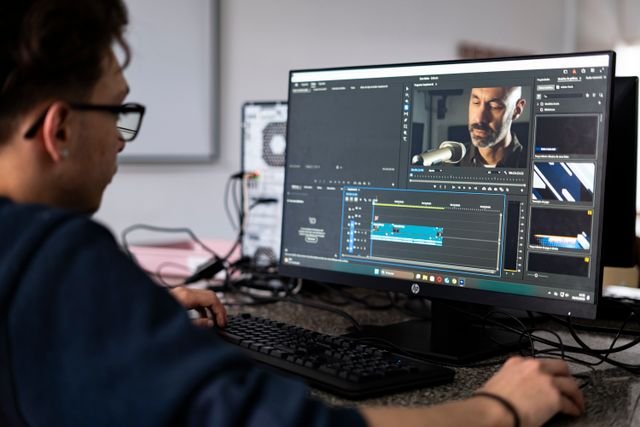
Brand lettering, dimensions and the contact line belong in a conventional editing application after the visual sequence has been assembled. This keeps small text legible and makes factual corrections straightforward. The same base film could support a trade presentation with a contact address and a social version with a shorter closing line. Those are editing choices, not claims that Seedance 3.0 automatically creates every distribution format or keeps every overlay perfect.
Sound can remain simple: a quiet room tone, a restrained musical phrase and perhaps a real recording of the container being placed on the desk. If generated audio is available in the chosen setup, I would evaluate it against that modest brief rather than assume the output is ready to publish. A loud cinematic impact would make the lunch box feel oddly theatrical. The sound should help the viewer notice the change from empty surface to ready-to-go lunch.
Reserve effort for the shots that need it
Before spending time on multiple alternatives, I would check Seedance 3.0 Pricing against the currently selected model and the number of visual experiments the brief can justify. My initial allocation would favour the opening approach and the interior shot, since they carry the product story. The closing scene can remain a clean still if necessary. A useful production boundary is to decide in advance what improvement would warrant another attempt.
For example, a new generation makes sense if the opening hides the clasp or the interior shot changes the proportions. It makes less sense if the only difference is a slightly prettier patch of background light that no buyer is likely to notice. Keeping notes beside the approved references would let me revise the problematic instruction without discarding everything that already works. This is a small film, so the production process should remain small enough to understand.
The intended deliverable is a concise product sequence, accompanied by the approved stills and editable closing information. A reviewer should be able to trace each important visual detail back to a real product reference. Seedance 3.0 can help explore the movement between those references, while the final editorial decisions keep the lunch box believable. If the viewer finishes with a clear picture of what the object looks like and how it fits an ordinary working day, the film has done its job.
