
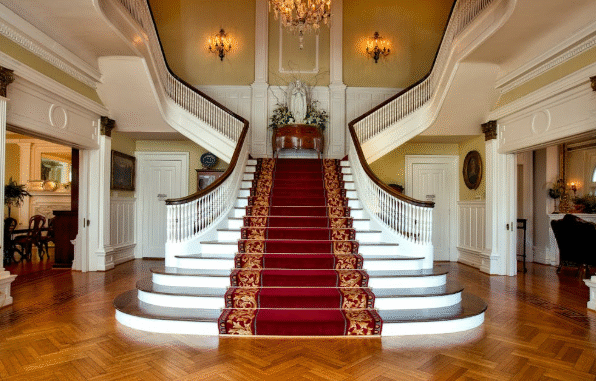

Adding value to a home doesn’t always require extensive building work or large-scale renovation. In many cases, minor interior design upgrades can significantly improve how a space looks, feels, and performs—often at a fraction of the cost and disruption. These details may seem subtle, but they play a decisive role in shaping first impressions and long-term appeal.
Focusing on design features that balance visual impact with practicality allows homeowners to enhance value without committing to significant structural changes.
Why Small Design Upgrades Matter
Potential buyers and occupants tend to respond to how a home feels rather than to individual materials or specifications. Clean lines, cohesive styling, and well-finished spaces signal care and quality, even if the underlying structure remains unchanged.
Minor interior updates can modernise a property, make rooms feel more intentional, and help spaces photograph and present better—essential factors in both resale and rental markets.
Updating Finishing Details for Immediate Impact
Finishing details are among the easiest ways to refresh an interior. Elements such as trims, edges, and surface accents help define a room and give it a more polished appearance.
In particular, black skirting boards can introduce contrast and definition at the base of a room, giving interiors a contemporary edge without altering floors or walls. This kind of visual framing often makes spaces feel more considered and up-to-date.
Improving Visual Cohesion
Homes that feel cohesive tend to be perceived as higher quality. Consistency in finishes, colours, and detailing helps rooms flow naturally from one to another, reducing visual clutter. Small changes—such as aligning trim styles across rooms or refining transitions between surfaces—can dramatically improve how unified a home feels, without requiring major work.
Enhancing Durability and Maintenance
Design features that protect surfaces and reduce wear can add long-term value by lowering maintenance demands. Well-chosen interior details help shield walls and edges from everyday scuffs, furniture movement, and cleaning damage.
A home that looks well-maintained over time is often more attractive to buyers and tenants, even if the upgrades themselves are relatively simple.
Modernising Without Overhauling
Not every home needs a complete redesign to feel current. Strategic updates to key visual elements can modernise a space while preserving its original structure. Replacing outdated finishes, refining colour contrasts, or introducing sharper detailing can refresh interiors and make them feel more aligned with current design preferences—without the cost and disruption of significant renovation.
Boosting First Impressions
First impressions matter, especially in property presentation. The way a room is finished often shapes how people perceive the entire home in the moments after entering. Thoughtful design features that add clarity, contrast, and consistency help spaces feel intentional and well cared for, which can positively influence perceived value.
Final Thoughts
Adding value to a home doesn’t always require extensive renovation. Small interior design features—particularly those that refine finishes, improve cohesion, and enhance durability—can make a meaningful difference.
By focusing on details that elevate both appearance and practicality, homeowners can achieve noticeable improvements in value and appeal while keeping time, cost, and disruption to a minimum.