
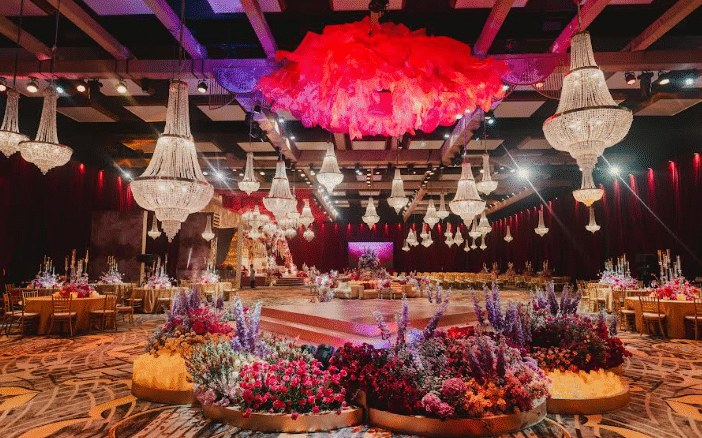

A marriage ceremony is, at its heart, a sacred union. But what elevates it from a simple gathering to an unforgettable celebration is the atmosphere that surrounds it. Decoration is not merely about flowers, fabrics, or lighting—it is about emotion, storytelling, and experience.
When thoughtfully designed, décor becomes the silent narrator of the wedding day. It shapes how guests feel, how moments unfold, and how memories are preserved for years to come. In 2026, luxury wedding design is no longer about excess—it is about intention. Every element has meaning. Every detail has purpose.
1. Setting the Tone and Atmosphere
The first impression of a wedding is rarely the vows—it is the ambiance.
Creating Ambiance Through Light
Lighting is one of the most powerful tools in wedding décor. Soft candlelight, glowing chandeliers, fairy lights, and warm amber tones instantly transform a space. Bright, harsh lighting can feel formal or distant, while warm illumination invites intimacy and connection.
A ceremony bathed in golden hues feels romantic. A reception lit with layered lamps and suspended lights feels cozy and elegant. Lighting does more than brighten a venue—it shapes emotion.
Thematic Cohesion
A beautifully decorated wedding feels seamless. From the entrance to the altar, every element aligns with a central aesthetic—whether modern minimalism, royal grandeur, rustic charm, or bohemian elegance.
When décor is cohesive:
-
Guests feel immersed rather than distracted.
-
The event feels intentional rather than improvised.
-
The overall experience becomes refined and polished.
Transforming Ordinary Spaces
Blank halls and open lawns are canvases. Through floral arches, flowing drapery, textured backdrops, and sculptural installations, ordinary venues become extraordinary settings.
Décor does not just fill a space—it redefines it.
2. Crafting a Personal Story
No two love stories are the same. Wedding decoration gives that story a visual form.
Reflecting Personality
Color palettes, monograms, custom signage, and curated design elements allow couples to express who they are. A couple drawn to timeless romance may choose soft neutrals and candlelight. A bold, artistic pair might opt for dramatic contrasts and statement installations.
The space should feel unmistakably theirs.
Meaningful Details
Personal elements add emotional depth:
-
Family photographs displayed thoughtfully
-
Heirloom fabrics incorporated into décor
-
Customized wedding crests or embroidered napkins
-
Symbolic objects representing shared memories
When guests notice these details, they feel invited into the couple’s journey—not just their celebration.
3. Enhancing Key Moments
Certain moments in a wedding deserve visual emphasis. Strategic decoration ensures those moments feel grand and unforgettable.
The Ceremony Altar or Mandap
A sculptural mandap with layered florals, textured drapes, or architectural elements creates a focal point that commands attention without overwhelming the space.
Aisle Drama
It is not just a walkway—it is a stage for one of life’s most powerful entrances.
Entrance Impact
Within seconds, they understand the tone of the celebration.
4. Cultural and Emotional Significance
Decoration often carries symbolic meaning beyond beauty.
Symbolic Colors and Elements
Across traditions, décor choices hold deep significance:
-
Red symbolizes love and strength in many cultures.
-
Gold represents prosperity and abundance.
-
Marigolds are often used in South Asian weddings to symbolize positivity and purity.
These elements connect the ceremony to tradition while honoring the sacredness of the union.
Honoring Heritage
Traditional fabrics, ceremonial structures, handcrafted motifs, and regional florals help couples celebrate their roots. Incorporating cultural design is not just decorative—it is an act of remembrance and pride.
It ensures that modern luxury remains deeply grounded in meaning.
5. Creating Interaction and Lasting Memories
Today’s weddings are immersive experiences. Guests are not passive observers—they are participants.
Photo-Worthy Backdrops
Thoughtfully designed backdrops and installations give guests elegant spaces to capture memories. When décor is refined and well-lit, photographs remain timeless rather than trend-driven.
Functional Beauty
Luxury in 2026 embraces comfort and engagement:
-
Stylish lounge areas with plush seating
-
Interactive guest book stations
-
Live portrait artists
-
Bespoke bar installations
-
Textured cushions and layered fabrics
These elements elevate guest experience while maintaining aesthetic harmony.
6. The Power of High-Impact Zones
Grand weddings do not require decoration in every corner. Strategic focus creates stronger visual impact.
Prioritize:
-
The Ceremony Structure (Altar/Mandap) – The emotional and photographic heart of the event.
-
The Entrance – The first impression that defines the mood.
-
The Reception Stage or Head Table – A single, powerful backdrop anchors the celebration.
Concentrating resources on these areas ensures elegance without unnecessary extravagance.
The Future of Wedding Decoration
Luxury weddings in 2026 are guided by three principles:
Curation. Storytelling. Emotional immersion.
Grand no longer means overwhelming.
Opulence no longer means excessive.
True luxury is intentional.
It is atmospheric.
It is deeply personal.
When décor is thoughtfully designed, it does more than beautify a venue. It softens hearts. It heightens emotion. It frames sacred promises.
It transforms a ceremony into an experience—
and a celebration into a memory that lives forever.