
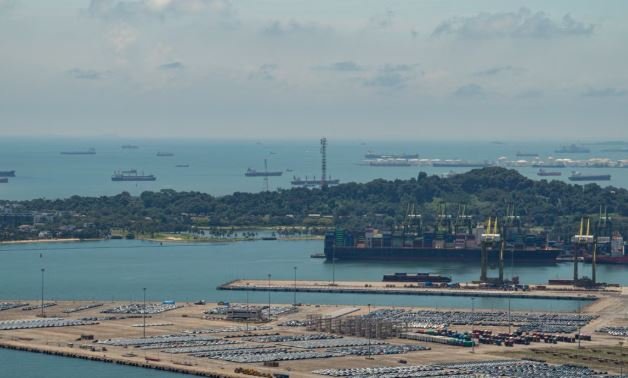
Singapore’s growing focus on cross-border electricity trade is creating new commercial opportunities across Southeast Asia, bringing energy producers, infrastructure developers, technology companies and investors into an increasingly interconnected regional market. With a target of importing 6 gigawatts (GW) of low-carbon electricity by 2035, Singapore is looking beyond its domestic energy resources to secure a more diversified and sustainable electricity supply.
This strategy is also changing the region’s energy landscape. Countries with abundant solar, wind and hydropower resources have an opportunity to supply electricity to Singapore, while businesses involved in power transmission, renewable energy development, energy storage and digital infrastructure can benefit from the expansion of regional partnerships.
The shift is particularly significant because cross-border electricity trade involves much more than selling power between countries. It requires investment in transmission networks, subsea cables, renewable energy facilities, energy management systems and regulatory coordination. As these projects progress, they could create a wider business ecosystem supporting Southeast Asia’s clean energy transition.
Singapore’s Energy Strategy Is Opening a Regional Market
Singapore has limited land and domestic natural resources for large-scale renewable energy generation. As electricity demand increases alongside industrial activity, digital infrastructure and the development of data centres, securing reliable and sustainable energy supplies has become an important economic priority.
Cross-border electricity partnerships offer a way to access renewable energy generated in neighbouring countries while diversifying the country’s energy sources.
The strategy is also aligned with broader ASEAN efforts to strengthen regional electricity connectivity through the ASEAN Power Grid. The initiative aims to improve the movement of electricity between member countries and make better use of the region’s different energy resources.
Projects such as the Laos-Thailand-Malaysia-Singapore Power Integration Project (LTMS-PIP) demonstrate how countries can cooperate to facilitate electricity trading across national borders.
For businesses, these developments represent an emerging market for energy infrastructure, renewable power generation, engineering services and technology solutions.
1. Cross-Border Infrastructure Development Creates Investment Opportunities
One of the biggest commercial opportunities arising from regional electricity trade is the development of transmission infrastructure.
Moving electricity across countries requires extensive investment in high-voltage transmission lines, substations, grid connections and subsea power cables. These projects involve specialised engineering capabilities and substantial financing, creating opportunities for infrastructure developers, construction companies and equipment manufacturers.
High-voltage direct current (HVDC) technology is particularly important for long-distance electricity transmission, including undersea connections. It can support the movement of large quantities of electricity over long distances while helping manage transmission losses.
This creates demand for:
- High-voltage transmission equipment and transformers.
- Subsea power cable manufacturing and installation.
- Marine surveying and offshore engineering.
- Grid interconnection and substation development.
- Cable inspection, repair and maintenance services.
For infrastructure companies, regional electricity partnerships can provide access to large, long-term projects. Equipment manufacturers and engineering contractors can also benefit from opportunities to supply components and technical services across multiple Southeast Asian markets.
2. Renewable Energy Producers Can Access New Export Markets
Singapore’s electricity import ambitions are creating opportunities for renewable energy developers in neighbouring countries.
Indonesia and Malaysia have significant potential for solar power development, while countries such as Laos have established hydropower resources. Other regional markets also offer opportunities in wind and hybrid renewable energy projects.
Electricity export agreements can provide renewable energy developers with access to larger customer markets beyond their domestic economies.
Long-term power purchase agreements (PPAs) are particularly important because they can provide greater revenue visibility for project developers and improve the commercial attractiveness of large-scale renewable energy investments.
For businesses, this creates opportunities across the project lifecycle, including land development, equipment procurement, construction, financing, operation and maintenance.
Companies manufacturing solar panels, inverters, battery systems, electrical equipment and wind components may also benefit as regional renewable energy capacity expands.
The development of export-oriented energy projects could further encourage investment in local manufacturing and create opportunities for industrial suppliers in participating countries.
3. Battery Storage and Smart Grid Technology Become More Important
Expanding cross-border electricity trade requires more than connecting power grids. Renewable energy generation can fluctuate depending on weather conditions and the availability of sunlight, wind and water.
Energy storage and advanced grid management systems can help address these challenges by balancing electricity supply and demand.
Battery Energy Storage Systems (BESS) can store surplus renewable electricity and release it when generation falls or consumption increases. This makes storage technology an important part of a more flexible regional electricity network.
Technology companies can benefit by developing:
- Battery management systems and monitoring software.
- Smart grid automation and control platforms.
- AI-based electricity demand forecasting.
- Real-time power trading and scheduling software.
- Grid stability and energy optimisation solutions.
- Cybersecurity systems for interconnected electricity networks.
The growing complexity of regional energy networks will also increase demand for digital platforms that allow utilities, energy producers and grid operators to monitor electricity flows and coordinate transactions.
For technology startups, these requirements create opportunities to develop specialised software and hardware rather than compete directly in large-scale power generation.
4. Renewable Energy Manufacturing and Supply Chains Could Expand
Cross-border electricity partnerships can encourage countries to strengthen their domestic renewable energy industries.
As demand for exportable clean electricity increases, project developers will require a larger supply of solar modules, inverters, transformers, cables, batteries and other electrical components.
This creates opportunities for manufacturers to expand production capacity and establish regional supply-chain partnerships.
Indonesia and Malaysia, for example, could benefit from investments in renewable energy manufacturing, equipment assembly and supporting industrial services as new projects develop.
Businesses involved in component manufacturing, industrial automation, electrical engineering and logistics may find opportunities to serve renewable energy developers across national markets.
The expansion could also encourage technology transfer and joint ventures between international manufacturers and regional companies.
For smaller businesses, supplying specialised components or providing maintenance and technical services to larger manufacturers could offer a practical entry point into the regional energy market.
5. Green Finance and Carbon Accounting Create New Business Opportunities
As companies across Southeast Asia seek to reduce their carbon footprints, demand for reliable renewable electricity and transparent emissions reporting is increasing.
Cross-border electricity trading can support corporate sustainability objectives by allowing businesses to access clean power generated in other countries, subject to applicable regulatory and accounting requirements.
This creates opportunities for companies involved in renewable energy certificates (RECs), carbon accounting, emissions verification and sustainability consulting.
Businesses may need specialised platforms to track electricity purchases, verify renewable energy attributes and prepare emissions disclosures.
Financial institutions can also participate by providing funding for renewable energy generation, transmission infrastructure and energy storage projects.
Green bonds, sustainability-linked financing and project finance structures could help mobilise capital for developments that require substantial upfront investment.
For financial technology companies and sustainability service providers, this creates opportunities to build solutions that connect energy transactions with financing, reporting and verification requirements.
6. Regional Electricity Trading Opens Opportunities for Energy Market Services
As electricity moves across national borders, the commercial structure of the energy market becomes more complex.
Utilities, independent power producers and electricity traders need systems to manage contracts, pricing, transmission capacity, scheduling and regulatory requirements.
This creates a growing role for specialised energy market service providers.
Companies can develop platforms for electricity trading, contract management, market forecasting and transaction settlement. Consulting firms can also support businesses with regulatory compliance, cross-border agreements and project development.
The need for coordination between utilities and national regulators creates additional opportunities for legal, financial and technical advisory businesses.
For energy companies, the ability to participate in multiple markets can provide greater flexibility in managing electricity supply and identifying new customers.
7. Opportunities for Startups and Small Businesses
Although major utilities and infrastructure developers are likely to lead large-scale electricity projects, smaller businesses can participate in the supporting ecosystem.
The expansion of regional energy trade creates opportunities in several specialised areas:
- Energy software: Developing platforms for electricity forecasting, trading and consumption management.
- Engineering services: Providing grid design, electrical installation, testing and maintenance.
- Renewable energy components: Manufacturing cables, control panels, sensors and power electronics.
- Battery technology: Offering storage monitoring, battery management and performance optimisation.
- Environmental consulting: Supporting carbon accounting, renewable energy certification and sustainability reporting.
- Cybersecurity: Protecting interconnected energy networks and critical infrastructure.
- Project advisory: Helping investors and developers with feasibility studies, regulatory requirements and project management.
Businesses that establish expertise in these areas can become suppliers or service partners to larger regional energy projects.
For startups, developing solutions that improve grid efficiency, reduce operating costs or simplify cross-border energy transactions could create opportunities to build scalable business models.
Challenges That Could Influence Regional Energy Trade
Despite its commercial potential, cross-border electricity trade involves several practical and regulatory challenges.
Infrastructure costs: Subsea cables, transmission networks and renewable energy facilities require substantial capital investment and long development periods.
Regulatory coordination: Different electricity market structures, licensing requirements and national policies can complicate cross-border transactions.
Grid reliability: Electricity networks must maintain stable supply even when renewable generation fluctuates or transmission capacity becomes constrained.
Financing and project risks: Large projects require long-term financial commitments, dependable power purchase agreements and clear arrangements between participating countries.
Cybersecurity: Greater connectivity between national electricity networks increases the importance of protecting operational systems, data and critical infrastructure.
Addressing these challenges will be essential to building commercially viable regional electricity partnerships.
Conclusion
Singapore’s push to expand cross-border electricity imports is creating opportunities that extend well beyond the energy sector. As Southeast Asian countries work towards stronger electricity connectivity, demand for renewable power generation, transmission infrastructure, battery storage, digital technologies and specialised engineering services is expected to grow.
For businesses, the opportunity lies in becoming part of the infrastructure and technology ecosystem supporting this transition. Large infrastructure companies can participate in transmission and grid development, while manufacturers, technology startups and smaller service providers can contribute through equipment supply, software development, energy management and technical support.
The expansion of regional electricity trade could also strengthen Southeast Asia’s position as an interconnected clean energy market, encouraging investment, industrial cooperation and the development of new supply chains.
Ultimately, the success of this transition will depend on how effectively countries combine their energy resources, infrastructure capabilities and regulatory frameworks. For businesses willing to invest in innovation and regional partnerships, Singapore’s energy strategy could offer a significant opportunity to participate in the next phase of Southeast Asia’s economic and energy development.
