
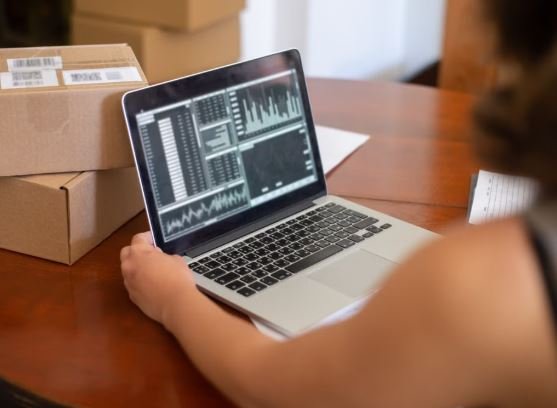
Understanding customers has always been central to running a successful retail business. However, changing shopping habits, rising price sensitivity and the growing influence of digital platforms have made this task more complex. Retailers can no longer depend only on sales figures or traditional market research to understand what drives purchasing decisions. They need a clearer picture of how customers discover products, compare prices and decide where to spend their money.
Across Illinois, data analytics is helping businesses gain this understanding. By examining sales transactions, online shopping activity, loyalty programme information and customer feedback, retailers can identify patterns that might otherwise go unnoticed. These insights are helping businesses improve product selection, plan promotional activities and respond more effectively to customer expectations.
For retailers, the value of this technology goes beyond collecting information. It is about using customer insights to make everyday operations more efficient, reduce unnecessary expenses and identify opportunities to increase revenue. As the retail market becomes more competitive, businesses that understand their customers are better positioned to build loyalty and maintain sustainable growth.
Understanding Changing Shopping Habits Through Data Analytics
Customer preferences rarely remain the same for long. Spending patterns can change with household budgets, seasonal demand, product availability and economic conditions. For retailers, recognising these changes early can help prevent missed sales opportunities.
Data analytics allows businesses to examine purchasing histories, transaction values, product preferences and shopping frequency. By bringing this information together, retailers can understand which products attract customers, when demand increases and what influences purchasing decisions.
For example, a clothing retailer in Chicago can analyse previous sales to identify popular product categories during different seasons. A grocery business in Springfield can examine transaction records to understand which products customers frequently purchase together and when demand for essential items rises.
These insights help business owners move beyond assumptions and make decisions based on actual customer activity.
Customer segmentation also plays an important role. Retailers can identify groups of shoppers based on their spending habits, product interests and purchasing frequency. This makes it easier to develop relevant promotions, improve product recommendations and communicate with customers more effectively.
Personalised Shopping Experiences Are Strengthening Customer Loyalty
Customers increasingly expect retailers to understand their preferences and offer products that match their interests. A shopper who regularly purchases from a particular clothing brand, for instance, may respond more positively to relevant product recommendations than to generic promotional messages.
Data analytics helps retailers develop these personalised experiences by examining previous purchases, browsing activity and responses to marketing campaigns.
Businesses can use these insights to recommend suitable products, introduce targeted discounts and provide loyalty rewards based on customer preferences. Such approaches can make shopping more convenient while encouraging customers to return.
This is particularly important for independent retailers competing with national chains and large e-commerce platforms. While smaller businesses may not have the same marketing budgets, understanding their existing customers can help them create more meaningful shopping experiences.
Personalisation can also improve marketing efficiency. Instead of offering discounts to every customer, retailers can focus on promotions that are more relevant to particular shopping groups. This helps reduce unnecessary promotional spending while supporting repeat purchases and stronger customer relationships.
Predictive Analytics Helps Retailers Manage Inventory and Costs
Inventory management remains one of the most important operational challenges for retail businesses. Keeping too much stock can tie up working capital and increase storage expenses, while running out of popular products can result in lost sales and disappointed customers.
Predictive analytics is helping retailers address this challenge by using historical sales information, seasonal patterns and market trends to estimate future demand.
For example, retailers can study previous holiday-season purchases to determine how much stock they may need for clothing, electronics, groceries and household products. Businesses can also examine how local events, weather conditions and promotional campaigns influence demand.
These forecasts allow retailers to plan purchases more carefully and improve stock availability.
The financial benefits can be significant. Better inventory planning can reduce excess stock, limit product wastage and improve the use of working capital. For small and medium-sized retailers, these improvements can help protect margins and maintain healthier cash flow.
Rather than relying entirely on past experience, business owners can use demand forecasts to make more informed purchasing and replenishment decisions.
Online and In-Store Analytics Are Connecting the Retail Experience
The distinction between online and physical shopping is becoming less clear. Customers may discover a product on social media, compare its price online and then visit a nearby store to complete the purchase. Others may examine products in person before ordering them through an e-commerce platform.
For retailers, understanding this journey is essential to delivering a consistent shopping experience.
E-commerce analytics provides information about website traffic, product searches, abandoned shopping carts, conversion rates and repeat purchases. When combined with physical store sales information, these insights help businesses understand how customers interact with their brands across different channels.
For instance, a retailer may notice that a product receives considerable attention on its website but generates fewer completed orders. Examining customer activity can help identify possible reasons, including high delivery charges, unclear product descriptions, pricing concerns or difficulties during checkout.
Retailers can then address these issues to improve the purchasing experience.
Connecting online and offline information also helps businesses understand which digital campaigns lead to actual store visits and sales. This allows them to evaluate marketing performance more accurately and make better use of their promotional budgets.
Artificial Intelligence Is Adding Greater Value to Retail Analytics
Artificial intelligence is expanding the role of data analytics in the retail industry. Businesses can now use AI-powered systems to process large amounts of customer information, recognise purchasing patterns and generate insights that support faster decision-making.
The shift is also visible in consumer shopping habits. NielsenIQ reported in September 2026 that 51% of US consumers had used at least one AI-powered tool to support their shopping during the previous month. Product recommendations and digital shopping assistance are among the emerging applications.
For retailers, this development has implications beyond customer service. AI-powered analytics can help businesses identify changing product demand, improve recommendations, analyse customer feedback and evaluate marketing performance.
An Illinois retailer, for example, could use these tools to understand which products are attracting attention, identify customers who may be interested in new collections and plan promotions around changing demand.
However, adopting AI does not automatically lead to better business results. Retailers need reliable information, appropriate technology and employees who can translate analytical findings into practical decisions. Smaller businesses can begin with affordable analytics platforms before investing in more advanced systems.
Customer Feedback Helps Retailers Improve Service Quality
Sales figures explain what customers purchase, but they do not always reveal what they think about the shopping experience.
Online reviews, customer complaints, survey responses and social media discussions can provide valuable information about customer satisfaction. By analysing this feedback, retailers can identify recurring concerns involving product quality, pricing, delivery services and customer support.
Sentiment analysis tools can help businesses examine large volumes of feedback and identify common positive and negative opinions.
For example, if customers repeatedly complain about delayed deliveries or difficulties with product returns, retailers can investigate the underlying operational problems. Similarly, positive feedback about a particular product can help businesses understand what customers value and whether there is an opportunity to expand that product category.
Responding to customer concerns can improve service quality and strengthen confidence in a retail brand. It also helps businesses make improvements based on actual customer experiences rather than management assumptions.
Data-Driven Marketing Helps Illinois Retailers Improve Sales
Marketing expenditure can become a significant cost for retailers, particularly smaller businesses operating with limited budgets. Promoting products to the wrong audience or investing in campaigns that generate little response can reduce profitability.
Data analytics helps retailers understand which marketing activities are producing meaningful results.
By examining website visits, email engagement, social media responses, customer enquiries and completed purchases, businesses can identify the channels that attract customers and generate sales.
For example, a retailer in Chicago may find that email campaigns are effective in bringing existing customers back to the store, while social media promotions help introduce the business to new shoppers. Another retailer may discover that local online advertising generates stronger results than broader promotional campaigns.
These findings allow businesses to direct their budgets towards activities that offer better commercial returns.
Data-driven marketing also helps retailers understand customer responses to different prices, discounts and product offers. This makes it easier to plan promotions without unnecessarily reducing profit margins.
New Opportunities for Small and Medium-Sized Retailers in Illinois
Data analytics is no longer a technology reserved for large retail corporations. Cloud-based platforms, digital payment systems and affordable point-of-sale software are making customer insights more accessible to independent retailers and smaller businesses.
This creates opportunities for grocery stores, fashion outlets, speciality retailers, home furnishing businesses and local distributors across Illinois.
Businesses can use basic analytical tools to monitor daily sales, identify popular products and understand repeat purchasing patterns. As operations expand, they can introduce customer relationship management systems, predictive forecasting and AI-powered marketing solutions.
Some of the most valuable applications include:
- Inventory planning: Understanding demand to reduce excess stock and avoid product shortages.
- Customer retention: Using purchasing information to develop relevant loyalty programmes and encourage repeat sales.
- Pricing strategies: Evaluating customer responses to different price points and promotional offers.
- Marketing performance: Identifying campaigns that generate stronger engagement and measurable revenue.
- Business expansion: Understanding local demand before introducing new products or entering additional markets.
For smaller retailers, the objective should not be to collect as much information as possible. It should be to identify the information that can improve purchasing decisions, customer service and profitability.
Data Privacy Is Essential to Maintaining Customer Trust
As retailers collect more customer information, responsible data management is becoming an important part of business operations.
Customers may appreciate personalised recommendations and convenient digital services, but they also expect their personal information to remain protected. Poor data security or unclear privacy practices can damage a business’s reputation and weaken customer relationships.
Illinois retailers need to consider applicable privacy requirements, including the Illinois Personal Information Protection Act and other relevant state and federal regulations.
Businesses should protect customer databases, restrict access to sensitive information and communicate clearly about how personal data is collected and used. Appropriate security measures and transparent privacy policies can help reduce operational risks.
Maintaining customer trust is particularly important as retailers introduce more advanced analytics and AI-based services. Technology should improve the shopping experience without compromising the responsible use of personal information.
The Future of Retail Analytics in Illinois
Data analytics is becoming an important business tool as retailers respond to changing consumer expectations and increasing competition from digital marketplaces.
For Illinois businesses, understanding customer behaviour can influence almost every part of retail operations, from product selection and inventory investment to pricing, marketing and customer service.
The growing adoption of artificial intelligence, predictive analytics and integrated retail platforms is expected to provide businesses with more ways to understand purchasing patterns and respond to market changes.
However, the real advantage will come from how effectively retailers apply these insights. Businesses that combine accurate customer information with competitive pricing, reliable service and relevant product offerings can build stronger relationships and improve their market position.
As the retail industry continues to evolve, the ability to understand customers will remain one of the most valuable advantages for Illinois retailers. Those that turn data into practical business decisions will be better equipped to improve efficiency, increase customer loyalty and achieve sustainable growth.
