
The hotel experience is changing as travellers look for more than comfortable rooms and convenient locations. Many now want accommodation that adds something meaningful to their holiday, whether through distinctive architecture, regional food, personalised service or experiences connected to the destination.
This changing preference is creating fresh opportunities for boutique hotels in India. From restored heritage properties and coastal retreats to design-led urban hotels and nature-inspired accommodation, these establishments are offering alternatives to conventional hotel stays.
For hospitality entrepreneurs, the opportunity is not simply to build smaller hotels. It is to develop properties with a clear identity and an experience that gives travellers a reason to choose them. Personalised hospitality, local partnerships and carefully planned services can help independent hotels compete in a market where larger brands already have established recognition.
Why Boutique Hotels Are Attracting More Travellers
A hotel can become an important part of a holiday rather than just a place to sleep. This is one of the ideas behind the growing appeal of boutique accommodation.
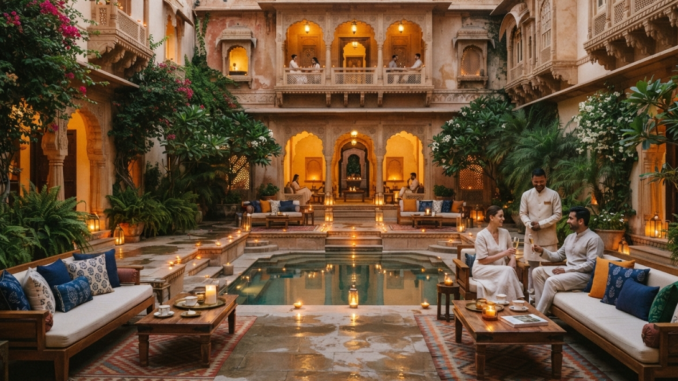
A restored mansion in Rajasthan, a coastal property in Goa or a plantation retreat in Kerala can offer visitors a different way to experience a destination. The architecture, surroundings, food and activities all contribute to the overall stay.
Unlike conventional hotel formats that often prioritise standardised facilities, boutique hotels can build their appeal around individuality. Some focus on heritage and architecture, while others highlight contemporary design, wellness, regional cuisine or nature-based experiences.
This gives independent hotel operators an opportunity to compete through a distinctive offering rather than attempting to match large hotel chains in terms of scale.
Personalised Hospitality Can Help Build Guest Loyalty
Personal service is one of the most important features associated with boutique hotels. Smaller properties may have greater opportunities to understand guest preferences and offer experiences suited to individual interests.
This could include arranging a local food experience, recommending less-familiar attractions, organising a heritage walk or helping guests explore nearby villages and cultural activities.
For instance, a boutique hotel in Jaipur could introduce visitors to traditional crafts and regional cuisine. A plantation property in Kerala might offer guided estate walks and opportunities to understand local agricultural practices.
These experiences do not always require expensive facilities. They depend on attentive employees, good communication and an understanding of the destination.
For hotel owners, personalised service can also become a business advantage. Guests who enjoy a stay may be more likely to leave positive reviews, recommend the property and return for another visit.
Local Culture and Experiential Accommodation Create New Opportunities
Travellers increasingly have access to a wide range of information about popular destinations. What can make a stay memorable is the opportunity to experience the destination beyond its familiar tourist attractions.
Boutique hotels can respond by working with local guides, artisans, farmers, restaurants and cultural organisations. Regional cooking sessions, craft demonstrations, guided walks and locally curated excursions can add value to the guest experience.
This approach can also benefit the wider local economy. Hotels that work with nearby businesses can create additional demand for local products and services.
Experiential accommodation therefore offers an opportunity to connect hospitality with local entrepreneurship. For independent operators, the strength of the business may lie not only in the rooms they sell but also in the experiences they help visitors discover.
Heritage Properties and Distinctive Design Offer Investment Potential
India’s architectural diversity provides opportunities for boutique hotel development. Old mansions, traditional homes, colonial-era buildings and other suitable properties can sometimes be adapted into distinctive hospitality spaces.
Restoring an existing building can help preserve its architectural character while creating a new commercial use. Properties can retain traditional courtyards, wooden features, stonework and regional design elements while incorporating modern facilities.
Contemporary boutique hotels can follow a different approach, using natural materials, carefully selected artwork and distinctive interiors to establish their identity.
However, attractive design alone does not guarantee commercial success. Investors need to assess restoration expenses, structural conditions, maintenance requirements, accessibility and applicable permissions before committing capital.
The strongest concepts are likely to be those that balance the character of the property with practical guest requirements and realistic operating costs.
India’s Tourism Growth Provides a Wider Market Opportunity
The broader expansion of India’s tourism industry provides an encouraging backdrop for hospitality businesses, including independent and boutique properties.
According to the HVS ANAROCK India Hospitality Industry Overview 2025, domestic tourist visits in India were estimated at approximately 4.55 billion in 2025. The report projects that this figure could exceed 9.54 billion by 2030 if historical growth trends continue.
The report identifies factors such as rising disposable incomes, improved connectivity and interest in cultural, wellness, wildlife and business travel as contributors to the wider tourism market.
These figures relate to overall domestic tourism and should not be interpreted as boutique hotel bookings. However, they indicate the scale of travel activity that accommodation providers may potentially serve.
For boutique hotel businesses, the opportunity lies in identifying destinations where visitors want distinctive accommodation and where the existing supply may not fully meet those preferences.
Heritage towns, coastal destinations, hill stations and emerging tourism locations could offer opportunities for independent properties with a clear market position.
Boutique Hotel Business in India: Understanding the Right Customer Segment
Boutique hotels are not necessarily limited to luxury travellers. The concept can work across premium, midscale and specialised accommodation categories.
Premium properties may focus on privacy, high-end interiors and specialised services. Midscale boutique hotels can attract travellers looking for character and comfort without the cost of luxury accommodation. Other properties can focus on specific interests such as wellness, food, heritage, adventure or nature.
Choosing the right customer segment is an important business decision.
A design-led hotel in a commercial district may attract professionals and short-stay visitors. A countryside property could appeal to couples and small groups seeking a quieter holiday. A heritage hotel may attract visitors interested in architecture and cultural experiences.
This positioning influences room pricing, facilities, staffing, marketing and partnerships. Rather than trying to attract every traveller, operators can build their offering around a clearly defined audience.
Digital Marketing Is Helping Independent Hotels Compete
For independent hotels, online visibility can make a significant difference to booking opportunities. Travellers frequently discover accommodation through search engines, online travel agencies, social media and recommendations.
Unlike established hotel chains, smaller properties may not have the same brand recognition or marketing resources. They therefore need to communicate their unique selling points clearly.
Search engine optimisation can help boutique hotels reach customers searching for specific experiences. Relevant keywords include boutique hotels in India, independent hotels in India, heritage boutique stays, luxury boutique accommodation and experiential stays.
Visual storytelling is equally important. High-quality photographs and videos can show the architecture, rooms, food, surroundings and activities that make a property different.
Social media can also help hotels build a recognisable identity. Instead of relying entirely on discount campaigns, operators can highlight local experiences, seasonal activities, regional cuisine and collaborations with nearby businesses.
A well-maintained website with accurate information, transparent pricing and a convenient booking process can further support direct reservations.
Investment and Operating Costs Need Careful Planning
The boutique hotel business can offer opportunities, but smaller properties also face financial and operational challenges.
Land or property acquisition, renovation, interiors, staffing, maintenance, utilities and marketing can require considerable investment. Heritage properties may involve additional restoration expenses, while hotels in remote destinations may face higher logistics and supply costs.
Revenue can also fluctuate according to seasonality, local events and travel demand. Properties that depend heavily on a short holiday season need to plan for periods of lower occupancy.
Hotel owners should assess the likely demand, average room rates, operating expenses and break-even occupancy before launching a project.
Technology can help improve operational efficiency. Property management systems, channel managers, digital payments and booking tools can simplify reservations and guest communication.
However, technology should support the service experience rather than replace the personal attention that boutique hotels aim to provide.
Opportunities for Businesses Supporting Boutique Hotels
The growth of independent hospitality properties can create opportunities beyond hotel ownership.
Architects, interior designers, hospitality consultants, digital marketing agencies, technology providers and local experience operators can all support boutique hotel businesses.
New properties may require assistance with feasibility studies, brand positioning, website development, search engine optimisation, online reputation management and booking strategies.
Existing hotels may also need support to improve their digital visibility, attract new customer segments and strengthen direct bookings.
This creates room for specialised service providers that understand the operational and marketing requirements of independent hospitality businesses.
The Future of Boutique Hotels in India
The future of boutique accommodation will depend on how effectively properties combine individuality with professional management.
A distinctive design or attractive location may generate initial interest, but guests still expect comfortable rooms, clean facilities, reliable service and transparent pricing. Operators must also respond to changing traveller preferences without losing the identity that makes their properties different.
There is potential for further development across heritage hospitality, wellness retreats, nature-based accommodation, food-focused stays and design-led urban hotels.
For investors, the key will be identifying viable locations and customer segments. For hotel operators, consistent service and a strong digital presence will remain important. For the wider hospitality ecosystem, boutique hotels can create demand for local suppliers, tourism services and specialised business support.
Conclusion
Boutique hotels are creating new possibilities for India’s hospitality industry by offering travellers more personalised and distinctive ways to experience destinations.
The opportunity extends beyond luxury accommodation. Independent properties can serve different traveller segments through thoughtful design, regional experiences, attentive service and strong local partnerships.
However, long-term success will depend on more than an attractive concept. Location, investment planning, operating efficiency, digital visibility and consistent guest service will determine whether a boutique hotel can build a sustainable business.
As India’s tourism market continues to develop, boutique hotels that combine a strong sense of place with professional management could become an increasingly valuable part of the country’s accommodation sector.
