
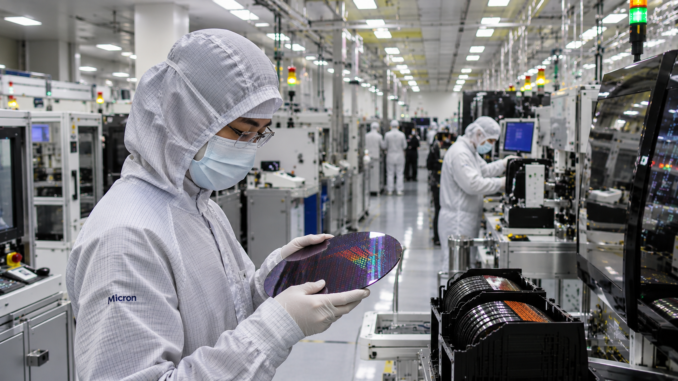
Nov 27: Singapore is strengthening its position as a global semiconductor and technology hub as demand for artificial intelligence (AI), high-performance computing and data-centre infrastructure continues to grow. With its advanced manufacturing capabilities, established business ecosystem and strong international trade connections, the country is well placed to benefit from the next phase of global electronics development.
At the same time, evolving international trade regulations, particularly US export controls on advanced semiconductors, are encouraging businesses to pay greater attention to supply-chain transparency and compliance. For Singapore, these developments represent an opportunity to further strengthen its reputation as a trusted destination for semiconductor manufacturing, technology investment and regional business operations.
Singapore’s Semiconductor Industry Gains from the AI Boom
The growing importance of Singapore in the global electronics and semiconductor supply chain is reflected in the ASEAN+3 Macroeconomic Research Office (AMRO) Singapore Annual Consultation Report 2026.
The report highlights the strong contribution of AI-related electronic products to Singapore’s export performance. It notes that these products contributed more than 80% of the country’s gross export growth from July 2025, while electronics exports recorded significant growth during the first half of 2026.
These developments reflect the increasing demand for semiconductor components, advanced computing systems and electronic equipment across international markets.
Singapore has developed capabilities across several stages of the semiconductor value chain, including manufacturing, testing, packaging, engineering and logistics. Its established infrastructure and access to international markets have also helped attract major technology companies and suppliers.
As global investment in AI infrastructure expands, Singapore’s semiconductor ecosystem is positioned to benefit from opportunities in advanced manufacturing, component production and technology services.
How US Chip Export Controls Are Influencing Global Business
The rapid growth of AI has increased the strategic importance of advanced semiconductors. These chips are essential for training and operating sophisticated AI systems, supporting cloud computing and powering next-generation data centres.
As a result, governments are placing greater emphasis on the movement and end use of advanced computing technology.
In November 2026, the United States introduced additional export-control requirements covering advanced semiconductors supplied to several markets, including Singapore. The measures reflect Washington’s focus on preventing the diversion of advanced chips to restricted destinations.
For companies operating in Singapore, these developments highlight the importance of understanding international licensing requirements and maintaining clear documentation across their supply chains.
Rather than changing the fundamentals of Singapore’s semiconductor industry, the evolving regulatory environment is encouraging businesses to strengthen their compliance processes and build greater transparency into cross-border technology transactions.
Singapore Focuses on Maintaining Its Position as a Trusted Technology Hub
Singapore’s approach reflects its commitment to maintaining an open and reliable business environment while respecting international trade regulations.
In a joint statement issued in November 2026, Singapore’s government said it was assessing the implications of the new US measures and engaging affected companies to better understand their potential business impact. It also indicated that discussions with US counterparts were ongoing.
Singapore has consistently emphasised the importance of preventing its business environment from being used to circumvent applicable laws and export-control requirements.
For international companies, this approach provides greater clarity on the importance of responsible business practices. Maintaining strong regulatory standards and trusted international partnerships can also support Singapore’s long-term attractiveness as a destination for technology investment.
AI Data Centres and Cloud Computing Create New Opportunities
The expansion of AI is creating demand for advanced computing infrastructure, giving Singapore opportunities to strengthen its position in data centres and cloud services.
As companies invest in AI applications, they require reliable access to computing capacity, advanced processors and secure digital infrastructure. This creates opportunities for data-centre operators, cloud service providers, technology suppliers and engineering companies.
The evolving export-control environment is also encouraging businesses to improve their customer verification, procurement documentation and technology-use procedures. For cloud providers serving international markets, clear compliance processes can become an important part of building customer confidence.
Singapore’s established connectivity, technology ecosystem and international business environment provide a strong foundation for attracting investment in these areas. Continued development of AI infrastructure could also create opportunities for specialised services, cybersecurity and technology consulting.
Supply-Chain Diversification Can Strengthen Regional Opportunities
The changing semiconductor trade environment is encouraging companies to review their sourcing strategies and build more resilient supply chains.
For Singapore, this could create opportunities to deepen its role in regional semiconductor manufacturing and distribution. Businesses may increasingly look towards diversified supplier networks, authorised procurement channels and stronger partnerships with technology companies across Asia.
The demand for compliance technology, supply-chain monitoring and trade advisory services may also increase as businesses adapt to different international requirements.
Singapore’s existing strengths in semiconductor manufacturing, logistics and international trade provide an advantage in this evolving landscape. By continuing to invest in advanced capabilities and supporting responsible business operations, the country can reinforce its position within the global electronics ecosystem.
The Road Ahead for Singapore’s Semiconductor Business
The global semiconductor industry is entering an important phase, driven by AI adoption, digital infrastructure investment and growing demand for advanced computing technology. While international trade regulations are evolving, the long-term demand for semiconductors continues to create opportunities across manufacturing, cloud computing and technology services.
For Singapore, the priority will be to balance regulatory compliance with continued innovation and investment. Its established semiconductor ecosystem, skilled workforce, infrastructure and international business connections offer a strong platform for future growth.
As companies reassess their global technology strategies, Singapore has an opportunity to further establish itself as a trusted centre for semiconductor manufacturing, AI infrastructure and regional technology partnerships.
For businesses seeking to communicate their capabilities and reach international markets, strategic media visibility is becoming increasingly important. Shreyas Webmedia Solutions supports organisations through digital communication and media outreach, helping them strengthen their presence as global industries and business opportunities continue to evolve.
