
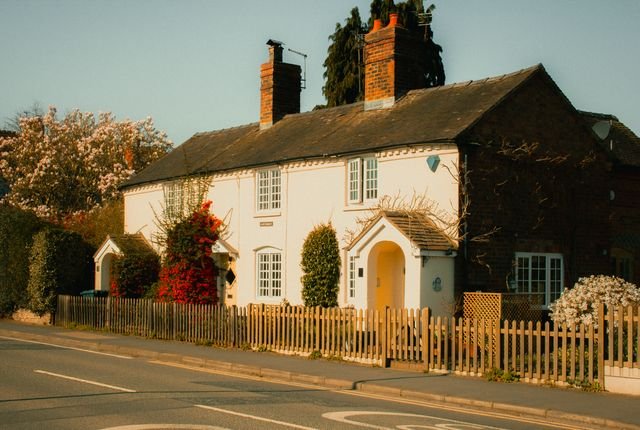
Selling a property is a significant decision, and the preparation that happens before a listing goes live can influence how smoothly the process unfolds. For homeowners in Eltham, getting the asking price, presentation and paperwork right can help attract suitable buyers and avoid unnecessary complications later.
It can be tempting to rush into marketing once the decision to sell has been made. However, overlooking small details may lead to fewer viewings, unrealistic expectations or delays after an offer is accepted. Some mistakes are easy to correct, while others can affect the entire selling strategy.
Whether you own a period house, a family home or a modern flat, it is worth taking time to prepare properly. Here are seven common mistakes to avoid before putting your Eltham property on the market.
Choosing an Asking Price Based on Guesswork
Setting an asking price is one of the first decisions a seller faces, but relying on assumptions can make it harder to generate interest. Some homeowners base their expectations on what a neighbour achieved, while others look at the highest-priced property currently advertised nearby.
Neither approach provides a complete picture. Two homes on the same road can differ in condition, floor area, layout, outdoor space and potential. A property that has recently been refurbished may attract a different level of interest from one requiring significant work, even if both have a similar number of bedrooms.
Eltham also has a varied housing market, with period properties, post-war houses, flats and newer developments appealing to different types of buyers. Local demand and competition can change, so an asking price should reflect current conditions rather than an outdated expectation.
Speaking to local estate agents in Eltham can help sellers understand recent comparable sales, competing listings and the likely audience for their home. A realistic valuation gives the marketing campaign a stronger starting point and can reduce the risk of repeated price reductions.
Spending Too Much on Improvements Buyers May Not Value
A common mistake is assuming that every renovation will increase a property’s sale price. Before marketing, some homeowners consider replacing kitchens, upgrading bathrooms or redecorating several rooms, hoping to achieve a higher offer.
However, expensive improvements do not always deliver a worthwhile return. Buyers have their own tastes and may prefer to update a property themselves rather than pay extra for finishes they would change. A full kitchen refurbishment, for example, may not be necessary if the existing units are clean, functional and in reasonable condition.
It is usually more sensible to prioritise repairs and straightforward presentation improvements. Fix dripping taps, replace broken handles, touch up scuffed paintwork and deal with obvious maintenance issues. These jobs can make the property feel cared for without committing to a major project.
If substantial work is needed, consider whether it is better to address the problem or price the property to reflect its condition. The right decision will depend on the likely buyer, the cost involved and how much time is available before the planned sale.
Neglecting Kerb Appeal and First Impressions
Buyers often start forming an opinion before they enter a property. An untidy front garden, peeling paint, overflowing bins or a poorly maintained entrance can create an unfavourable first impression, even if the interior is attractive.
This does not mean Eltham sellers need elaborate landscaping or expensive exterior work. Simple steps can make a difference: mow the lawn, trim hedges, clear pathways, clean windows and make sure the front door looks presentable. For flats, owners can focus on the entrance to their own home and check whether any communal-area concerns need to be raised with the managing agent.
Inside, the hallway deserves particular attention. It is often the first space buyers see, so good lighting, clear floors and minimal clutter can make it feel more welcoming. Removing shoes, coats and bulky storage can also help the entrance appear larger.
The aim is to make the property feel inviting and well maintained. Small details can influence whether buyers approach the rest of the viewing with enthusiasm or start looking for signs of neglect.
Getting the Marketing Details and Legal Preparation Wrong
A property listing needs to be accurate as well as appealing. Incomplete descriptions, unclear room measurements or photographs that fail to represent the home’s condition can lead to confusion and disappointment at viewings.
Before the property goes live, check that the description reflects its actual features. Be clear about the number and use of rooms, outdoor space, parking arrangements and any relevant leasehold details. If the property has been extended or altered, make sure you understand what documentation is available rather than making assumptions about approvals.
Sellers should also gather important paperwork early. This may include title information, planning permissions, building regulations certificates, guarantees, boiler service records and, where relevant, leasehold documents. Missing paperwork can create additional enquiries once a buyer’s conveyancer becomes involved.
An Energy Performance Certificate (EPC) is generally required when a property is marketed for sale in England and Wales, unless an exemption applies. The government explains the requirements in its guide to Energy Performance Certificates when selling a home. Checking whether an existing certificate is still valid before launch can prevent a last-minute delay.
Preparing these details in advance makes it easier to answer buyer questions and gives the conveyancing process a more organised start.
Making the Property Difficult to View
A property can be beautifully presented and competitively priced, but sellers may still lose potential buyers if arranging a viewing becomes difficult.
Buyers often have busy schedules and may be comparing several homes at once. Restricting appointments to a narrow time window can mean missing people who would otherwise have been interested. Where possible, offer a reasonable degree of flexibility, including some evening or weekend appointments.
It is also worth preparing the household for viewings. If you have pets, children or work commitments, think about how these might affect access to different rooms. Make sure the property is clean, well aired and easy to walk around, with cupboards and storage areas accessible where appropriate.
For sellers who are still living in the property, keeping everything ready at all times can be challenging. A simple daily routine for tidying kitchens, clearing hallways and making beds can make short-notice appointments less stressful.
Using Poor-Quality Photographs or an Unclear Property Description
Most buyers begin their search online, so the listing needs to encourage them to arrange a viewing. Dark photographs, untidy rooms and vague descriptions can make a good property appear less appealing than it really is.
Professional photography can help show the home’s proportions, natural light and key features. Before the photographer arrives, clear unnecessary furniture, remove personal clutter and make sure curtains and blinds are arranged to let in as much daylight as possible.
The description should highlight genuine selling points rather than rely on generic phrases. An Eltham property might appeal because of its garden, period features, flexible living space or convenient access to local amenities. These details are more useful to buyers than exaggerated claims about the home being perfect for everyone.
Accuracy matters just as much as presentation. Room descriptions, measurements and property features should be checked before publication. If something is not included in the sale, such as a particular appliance or garden structure, clarify this rather than allowing buyers to make assumptions.
Accepting an Offer Without Considering the Buyer’s Position
It is natural to focus on the amount offered, particularly when a seller has a target figure in mind. However, the highest offer is not necessarily the one most likely to lead to a successful completion.
A buyer’s circumstances can affect how straightforward the transaction will be. Someone with a mortgage agreement in principle and no property to sell may be in a stronger position than a buyer whose own sale has not yet progressed. Cash buyers can also have complications, so it is still important to understand their circumstances and timescale.
Before accepting an offer, sellers should ask relevant questions about the buyer’s funding, chain position and preferred completion date. Their conveyancer can then help assess the legal and practical steps needed to move forward.
Once an offer is accepted, respond promptly to requests for information, arrange access for surveys and keep communication open with the estate agent and conveyancer. Delays in providing documents or answering enquiries can slow progress and create uncertainty for everyone involved.
Prepare Carefully Before Your Eltham Property Goes Live
Avoiding these mistakes does not require a complicated selling strategy. In many cases, the biggest improvements come from setting a realistic price, presenting the property well, preparing the necessary paperwork and making it straightforward for genuine buyers to arrange viewings.
Eltham offers a range of property types and attracts buyers with different priorities. Understanding where your home fits within the local market can help you make sensible decisions before launch. With the right preparation and a clear plan, you can approach the sale with greater confidence and give your property the best opportunity to attract suitable offers.
