
Pic Credit: Pexel
Singapore’s digital payments landscape is evolving rapidly, changing how businesses collect revenue, manage working capital and serve customers. Instant bank transfers, QR code payments, cross-border payment networks and digital banking are becoming integral to everyday commerce, helping companies move money with greater speed and convenience.
As a leading financial hub in Asia, Singapore is well positioned to benefit from the shift towards digital transactions. However, the next stage of growth will depend on more than widespread adoption. Businesses will need payment systems that reduce operating costs, improve financial visibility and protect customers against increasingly sophisticated fraud.
For small and medium-sized enterprises (SMEs), retailers and companies engaged in international trade, these developments offer opportunities to improve efficiency while creating new challenges around technology, security and compliance.
Instant Payments Help Businesses Manage Cash Flow
Speed is becoming a major advantage in Singapore’s digital payment ecosystem. PayNow enables eligible users to transfer money using registered identifiers, while the Fast and Secure Transfers (FAST) network supports near-instant transfers between participating bank accounts.
For businesses, quicker payments can improve access to funds and make it easier to meet routine expenses, settle supplier invoices and manage working capital. When payment systems are connected to accounting software, companies can also match transactions with invoices more efficiently and reduce manual record-keeping.
These improvements are particularly valuable for smaller businesses, where delayed payments can disrupt daily operations. Better transaction visibility can help owners understand their available cash and plan upcoming expenses.
However, faster transfers do not automatically eliminate financial pressure. Businesses must still consider payment processing charges, settlement arrangements and the compatibility of different banking systems with their existing operations.
QR Payments Simplify the Customer Experience
QR payments are becoming an important part of Singapore’s retail and service economy. The Singapore Quick Response Code (SGQR) framework brings multiple payment options together through a common QR display, helping reduce the need for merchants to display several separate codes.
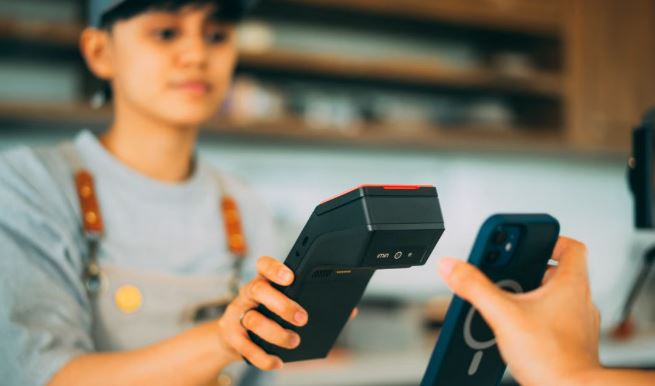
For restaurants, neighbourhood shops and small service providers, this can simplify payment acceptance and make digital transactions more convenient. Customers can use supported payment applications, while merchants can benefit from electronic transaction records that support sales tracking and reconciliation.
The commercial opportunity extends beyond the checkout counter. Integrating payment data with accounting, inventory and customer-management systems can help businesses understand sales patterns and improve operational planning.
Nevertheless, merchants need to compare provider fees, settlement times and technical requirements before adopting a payment solution. The most effective system is one that fits the business’s customer base and operating needs without adding unnecessary costs.
Cross-Border Payments Strengthen Regional Trade
Singapore’s role as a gateway for regional commerce makes international payment connectivity increasingly important. Businesses operating across Southeast Asia need reliable ways to collect customer payments, settle supplier bills and manage transactions involving different currencies.
Connections between Singapore’s PayNow and Thailand’s PromptPay illustrate how linked payment networks can make certain cross-border transfers more convenient. Broader initiatives involving regional payment systems, including India’s Unified Payments Interface (UPI), reflect efforts to improve interoperability across markets, although the services and transaction types supported vary by corridor.
For exporters, online merchants and travel-related businesses, more accessible cross-border payments can reduce friction when serving international customers. Faster transfers may also improve cash-flow planning and simplify some routine transactions.
Yet international payments remain more complex than domestic transfers. Currency conversion charges, compliance requirements, transfer limits and differences in settlement procedures can affect the final cost. Businesses should therefore assess the total expense and reliability of a payment route rather than focusing solely on speed.
Digital Banking Expands Options for SMEs
Digital banking is creating new ways for businesses to access financial services. Singapore’s digital wholesale banking sector includes institutions such as ANEXT Bank and Green Link Digital Bank, which serve business customers and offer digitally delivered banking services.
For SMEs, online account management and streamlined application processes can reduce administrative work. Depending on the institution and the customer’s eligibility, services may also support trade financing, working capital requirements and other business banking needs.
The wider opportunity lies in connecting payments with financial management. When businesses can monitor incoming revenue, account balances and upcoming obligations more easily, they may be better equipped to forecast cash requirements and make informed decisions.
However, digital access does not guarantee loan approval or lower borrowing costs. Credit availability continues to depend on a company’s financial position, eligibility, risk profile and the terms offered by individual lenders.
Fraud Prevention Becomes Essential to Digital Growth
As digital transactions become more common, payment security is emerging as a major business priority. Phishing, impersonation scams and fraudulent transfers can cause financial losses, interrupt operations and weaken customer confidence.
Banks and payment providers are increasingly applying data analytics and artificial intelligence to identify suspicious activity and flag unusual transaction patterns. These tools can support faster detection, although their effectiveness depends on data quality, system design and appropriate oversight.
Businesses also have a role to play. Strong account controls, employee training, secure payment processes and careful verification of unusual requests can help reduce exposure to fraud.
Security measures must be balanced with convenience. Excessive alerts or unnecessary verification steps can frustrate legitimate customers, while weak controls may leave businesses vulnerable. Maintaining this balance will be central to building trust in digital payments.
What Businesses Need to Consider
The expansion of digital payments offers practical benefits, but adopting new technology requires careful planning. Businesses should evaluate payment costs, customer preferences, transaction reliability, integration requirements and data protection standards before changing their systems.
Retailers may prioritise simple checkout experiences, while exporters may focus on cross-border settlement costs and currency conversion. SMEs may place greater value on linking payments with accounting and cash-flow management tools.
There is no single solution for every business. The right approach will depend on transaction volumes, customer needs and the complexity of a company’s operations.
The Future of Digital Payments in Singapore
Singapore’s digital payments industry is moving towards a more connected financial environment in which speed, security and interoperability matter as much as convenience. Instant transfers, unified QR acceptance, regional payment links, digital banking and AI-assisted fraud detection are likely to remain important areas of development.
For businesses, the real value of these innovations lies in their ability to reduce administrative burdens, improve access to funds and make transactions more dependable. Companies that select suitable payment tools and integrate them effectively into their operations will be better placed to serve customers and manage costs.
As digital commerce continues to expand, payment infrastructure will become more than a way to collect money. It will increasingly shape how Singaporean businesses operate, compete and participate in regional trade.