
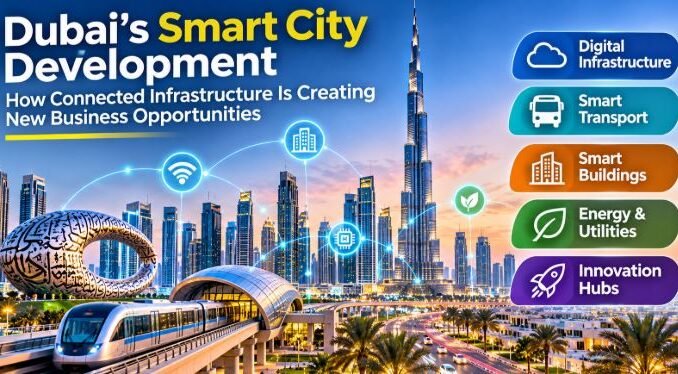
Dubai is changing the way a modern city works. From intelligent transport systems and smart buildings to digital public services and automated utilities, technology is becoming part of everyday urban life. This transformation is not only improving how the city operates but also creating new opportunities for businesses across several industries.
For companies, Dubai’s smart city development represents a growing market for technology, construction, real estate, engineering and infrastructure services. As the city invests in connected systems, businesses are finding new ways to provide digital solutions, improve efficiency and meet the changing needs of residents and commercial customers.
The opportunities are no longer limited to large technology companies. Smaller businesses offering software, technical support, building automation and energy-management services could also benefit from the city’s growing demand for connected infrastructure.
Technology Is Becoming the Backbone of Dubai’s Growth
A smart city depends on more than modern buildings and advanced equipment. It needs digital systems that allow different services to communicate and operate together. High-speed connectivity, cloud computing, artificial intelligence and connected devices are helping Dubai move towards a more integrated urban environment.
The city’s digital development is creating demand for businesses that can provide software, data management, cybersecurity and cloud services. Companies also need support in connecting their existing systems with newer digital platforms.
This creates opportunities for technology providers, IT consultants and specialist service companies. Businesses that can offer practical solutions and ongoing technical support may find long-term opportunities as more organisations adopt digital systems.
Smart Transport Is Creating New Business Opportunities
Transport is one of the most important areas of Dubai’s smart city plans. With a growing population, busy commercial districts and increasing visitor numbers, the city needs transport systems that are efficient, reliable and easier to manage.
Dubai is working towards making 25% of all transportation trips autonomous by 2030. The development of self-driving taxis and connected mobility systems is expected to change how people travel around the city.
This transformation could benefit companies involved in vehicle technology, traffic management, sensors, mapping systems and transport software. Logistics businesses may also find opportunities through automated delivery, smarter route planning and connected fleet management.
Beyond technology, transport development creates demand for engineering, maintenance and infrastructure services. Companies that can install, operate and maintain these systems could become important partners in Dubai’s expanding mobility sector.
Smart Buildings Are Changing the Property Market
Dubai’s property sector is also experiencing the impact of connected technology. Developers and property owners are increasingly looking at ways to make buildings more efficient, secure and convenient.
Smart buildings use automated systems to control lighting, air conditioning, security and energy consumption. These technologies can help reduce unnecessary operating expenses while making properties easier to manage.
For developers, smart features can add value to residential and commercial projects by meeting the expectations of businesses and residents who want modern facilities. Office operators, hotels and shopping centres may also invest in connected building systems to improve daily operations.
The opportunity extends to existing properties as well. Older buildings may need upgrades to improve energy efficiency, security and digital connectivity. This creates work for engineering firms, electrical contractors, technology installers and building-management companies.
Energy Efficiency Is Becoming a Business Priority
As Dubai continues to expand, managing electricity and water consumption is becoming increasingly important. Smart meters, automated lighting, water-monitoring systems and connected utility networks can help identify waste and improve resource management.
Dubai’s smart grid development is supporting this transition by bringing more automation and real-time monitoring into electricity and water services.
For businesses, this creates opportunities in energy management, solar technology, building upgrades and water-efficiency solutions. Companies that help commercial properties reduce energy consumption could find demand among offices, hotels, industrial facilities and residential developers.
These solutions also offer practical benefits to business owners. Lower energy consumption can reduce operating expenses and free up money for other business investments. As a result, efficiency is becoming both an environmental consideration and a commercial priority.
Innovation Districts Attract Companies and Investors
Dubai’s business districts are playing an important role in attracting technology companies, start-ups and international investors. Areas such as Dubai Silicon Oasis, Dubai South, Dubai CommerCity and Expo City Dubai offer business environments designed to support innovation, trade and commercial development.
These locations bring together companies, service providers and investors, creating opportunities for partnerships and business expansion.
For international businesses, setting up operations in Dubai can provide access to a wider regional market. Technology companies can explore partnerships with local firms, while logistics and engineering businesses can benefit from the city’s growing infrastructure requirements.
The development of new commercial districts is also creating demand for office space, property management, construction, digital connectivity and professional services.
Opportunities for Start-ups and Indian Businesses
Dubai’s smart city plans are opening doors for start-ups and international companies with practical technology solutions. Businesses working in artificial intelligence, cybersecurity, data analytics, smart healthcare, digital payments and automation could find opportunities in the market.
Indian companies may also explore this growing demand. Software developers, IT service providers, engineering consultants and building-technology companies can potentially serve businesses and infrastructure projects in Dubai.
Companies based in emerging technology centres such as Bhubaneswar could look at opportunities in software development, data services, technical consulting and digital infrastructure support. However, building local partnerships and understanding the requirements of the UAE market will be important for businesses planning to expand.
For smaller companies, the opportunity may lie in providing specialised services rather than competing directly with large international technology firms.
A Growing Market for Businesses
Dubai’s smart city development is creating opportunities across technology, transport, real estate, energy and infrastructure services. As connected systems become more common, businesses will need reliable partners to install, manage and maintain them.
For investors and companies, the most promising opportunities may come from solving everyday business problems. Property owners want to control energy costs, transport operators need better management systems and companies require secure digital services.
This creates room for both established businesses and smaller specialist providers. Companies that combine technical knowledge with an understanding of local market needs could build lasting commercial relationships.
Dubai’s transformation is therefore not just about creating a more technologically advanced city. It is also about building a new business environment where digital services, infrastructure investment and innovation work together. For companies looking to expand in the UAE, this development offers opportunities to enter new markets, form partnerships and become part of the city’s next phase of economic growth.
