
Landscaping is more than a way to improve a home’s appearance. Thoughtful outdoor improvements can influence property value, attract prospective buyers, and make a residence more appealing in a competitive real estate market. From maintaining healthy trees to creating functional outdoor spaces, homeowners can make strategic investments that support both immediate enjoyment and long-term financial goals.
How Landscaping Affects Curb Appeal and Market Value
First impressions can influence how prospective buyers perceive a property. A well-maintained lawn, healthy trees, trimmed shrubs, and attractive garden beds create an inviting exterior that suggests the home has received consistent care. Conversely, overgrown vegetation, damaged branches, and neglected landscaping may make buyers question whether other parts of the property have also been overlooked.
Professional landscaping can offer financial benefits when homeowners prepare to sell. According to Bankrate, investing in professional landscaping may increase a home’s value by 15% to 20%. Although actual returns vary by location, property condition, and completed improvements, this potential increase highlights the importance of maintaining attractive outdoor spaces.
Homeowners should prioritize improvements that complement the property’s architecture and appeal to local buyers. Simple projects, such as refreshing mulch, planting suitable flowers, repairing lawn damage, and defining garden borders, can improve visual appeal without requiring a major renovation.
More extensive improvements, including outdoor lighting, patios, and thoughtfully designed planting areas, may further enhance a property’s presentation. However, homeowners should consider the cost of each project against its expected contribution to marketability and resale value.
Why Tree Care and Outdoor Maintenance Matter
Trees contribute shade, privacy, visual interest, and a sense of maturity to residential landscapes. Established trees can make a property feel more welcoming, while strategically placed vegetation may provide natural screening and help define outdoor living areas. However, these benefits depend on proper maintenance and selecting plants suited to the property’s conditions.
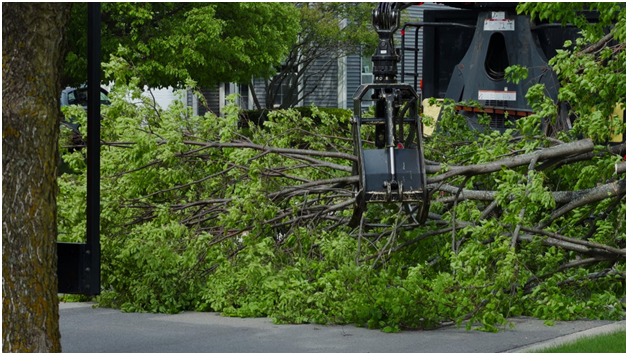
Regular tree care can help homeowners identify dead limbs, damaged branches, disease, and other potential hazards before they become more serious problems. Pruning, health assessments, and the removal of trees that pose significant risks can support a safer and more attractive outdoor environment. Stump grinding may also improve the appearance of a yard after tree removal while creating usable space for grass, planting beds, or other landscaping projects.
The demand for professional services reflects the broader role of tree maintenance in property care. According to Business Research Insights, the global tree care service market was valued at USD 83.36 billion in 2026 and is projected to reach USD 120 billion by 2035, representing an estimated compound annual growth rate of 4.2% from 2026 through 2035.
For homeowners, this growth underscores the relevance of professional tree care within the property maintenance industry. Hiring qualified professionals for complex pruning, hazardous tree removal, or stump grinding can help address safety concerns and protect surrounding structures. Routine inspections and appropriate maintenance may also prevent neglected vegetation from detracting from a property’s overall appearance.
Planning Landscaping Investments for Long-Term Returns
Successful landscaping investments begin with a clear understanding of the property’s needs. Homeowners should evaluate existing trees, lawn conditions, drainage, sunlight exposure, and available outdoor space before deciding which improvements to pursue. Establishing priorities helps direct spending toward projects that provide practical benefits alongside aesthetic improvements.
The local housing market also influences how homeowners should approach landscaping. According to the US Census Bureau, the U.S. homeownership rate reached 65.0% in the second quarter of 2026. This figure provides context for the importance of residential property ownership and the decisions homeowners make when maintaining and improving their investments.
Before starting a project, homeowners should consider several factors:
- Maintenance requirements: Choose plants and landscaping features that fit the available time and budget for ongoing care.
- Regional suitability: Select trees, shrubs, and flowers that can thrive in the local climate and soil conditions.
- Functional improvements: Prioritize outdoor spaces that support relaxation, recreation, privacy, and convenient access to the property.
- Professional expertise: Consult qualified landscapers or tree care specialists when projects involve complex designs, large trees, or potential safety hazards.
- Budget planning: Compare estimates, expected maintenance costs, and potential resale benefits before committing to major upgrades.
Homeowners should also avoid assuming every improvement will produce the same financial return. Elaborate features may not appeal to every buyer, and poorly selected plants can create unnecessary maintenance expenses. A balanced approach that combines visual appeal, usability, and manageable upkeep is often more practical than investing heavily in features that do not suit the property.
Making Outdoor Improvements Count
Landscaping can support residential property value by improving curb appeal, maintaining healthy trees, and creating functional outdoor spaces. By choosing appropriate projects, budgeting carefully, and addressing maintenance needs, homeowners can make improvements that benefit everyday living while strengthening their property’s appeal to future buyers. A strategic approach helps ensure outdoor investments serve both practical needs and long-term ownership goals.

1 Trackback / Pingback
Comments are closed.