
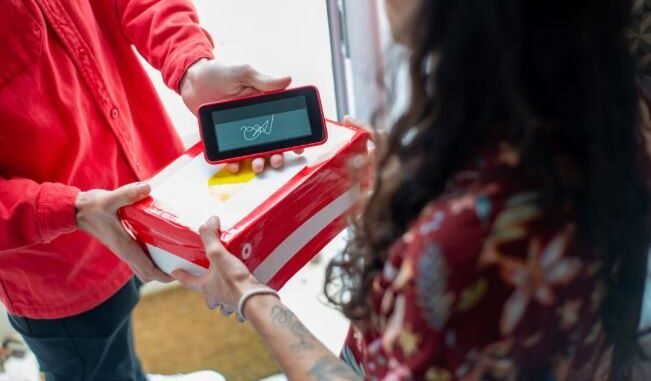
India’s retail industry is changing rapidly as consumers increasingly choose convenience, speed and easy access to everyday products. What started as a way to order groceries and household essentials has developed into a broader retail model covering electronics, beauty products, fashion, personal care and other daily necessities.
By 2027, quick commerce is expected to play an increasingly important role in India’s urban retail economy. Consumers are becoming comfortable with placing smaller, more frequent orders, while retailers and brands are changing their business strategies to meet the growing demand for instant delivery.
For businesses, this shift represents much more than faster shopping. It is creating new opportunities in retail distribution, digital marketing, logistics, technology and customer engagement.
India’s Quick Commerce Market Is Entering a New Growth Phase
Quick commerce has gained popularity because it addresses a simple consumer expectation: getting products quickly without making a trip to a physical store.
The expansion of dark stores, hyperlocal delivery networks and technology-driven inventory systems has made this model possible. Products are stored closer to customers, allowing businesses to fulfil orders through strategically located neighbourhood facilities.
Industry estimates suggest that India’s quick commerce grocery market could grow to approximately ₹1.5–1.7 lakh crore by 2027 in cities with populations above 500,000, representing around threefold growth from 2024 levels.
Changing shopping habits are contributing to this expansion. Instead of relying only on weekly or monthly shopping trips, consumers increasingly place smaller orders whenever they need particular products. Some industry estimates suggest that frequent users place around six to eight orders each month, with average order values of approximately ₹350–₹600.
For retailers, this creates opportunities to increase customer engagement, encourage repeat purchases and build stronger relationships with consumers.
Quick Commerce Is Moving Beyond Grocery Delivery
One of the biggest developments in the sector is its expansion beyond groceries.
Consumers can increasingly explore electronics, beauty products, personal care items, apparel, home essentials and other categories through instant delivery platforms. This wider product selection is helping quick commerce develop into a broader retail channel.
For example, a customer ordering household essentials may also purchase skincare products, mobile accessories or small home products in the same shopping session.
This creates opportunities for businesses across different industries. Consumer goods manufacturers can introduce new products through digital retail channels, while emerging direct-to-consumer brands can reach customers without building their own delivery infrastructure from the beginning.
Expanding product categories can also help retailers increase average order values and generate additional revenue.
For businesses, the opportunity is to understand changing customer preferences and make the right products available at the right time.
Competition Is Changing India’s Retail Landscape
The quick commerce market is attracting growing interest from established retailers, digital commerce platforms and new businesses entering the instant delivery space.
Competition is encouraging companies to invest in delivery infrastructure, technology, product availability and customer experience. Businesses are also exploring new ways to differentiate their services through product selection, pricing, convenience and reliable fulfilment.
For consumers, greater competition can mean more choices and improved shopping experiences. For retailers and brands, it creates additional opportunities to reach customers through digital channels.
However, long-term success will depend on more than delivery speed. Companies need efficient inventory management, strong supplier relationships, customer retention and sustainable operating models.
Businesses that combine convenience with effective cost management and reliable service will be better positioned to build lasting value in this growing market.
Profitability Is Becoming a Key Business Priority
As quick commerce expands, companies are paying greater attention to operational efficiency and sustainable revenue generation.
Dark stores require investment in property, technology, inventory and delivery infrastructure. Their performance depends on how efficiently orders are processed and how effectively available stock is managed.
This makes dark-store utilisation an important part of the business model. A well-managed fulfilment centre can serve a concentrated customer base, improve delivery efficiency and increase inventory productivity.
Businesses are also exploring several ways to strengthen revenue and profitability:
- Larger shopping baskets: Encouraging customers to purchase multiple products in one order can improve average order value.
- Retail media and advertising: Brands can invest in sponsored product placements and promotional visibility within shopping applications.
- Private-label products: Retailers can develop their own product ranges and create additional opportunities for revenue and margins.
- Inventory optimisation: Better demand forecasting can improve product availability and reduce unnecessary stock.
- Operational efficiency: Technology-enabled warehouse management and delivery planning can improve productivity.
For investors and business leaders, the focus is shifting towards the quality of growth, efficient operations and the ability to build commercially sustainable businesses.
FMCG and D2C Brands Are Rethinking Their Business Strategies
Quick commerce is changing how brands approach distribution, marketing and product launches.
Traditional retail strategies often depend on supermarkets, distributors and neighbourhood stores. Quick commerce adds another important channel where customers can discover and purchase products within minutes.
For fast-moving consumer goods businesses, this creates opportunities to respond to immediate customer demand. Brands can promote products during relevant shopping occasions, introduce new categories and use sales insights to understand purchasing behaviour.
Direct-to-consumer businesses can also benefit from access to established hyperlocal delivery networks. Instead of developing their own delivery operations from the beginning, brands may use digital retail platforms to reach customers in selected locations.
Marketing strategies are changing as well. Product visibility, sponsored placements, promotional offers and seasonal campaigns are becoming important ways to attract attention within shopping applications.
For emerging brands, quick commerce can provide access to customers who may not have discovered their products through conventional retail channels.
Kirana Stores Are Exploring New Business Opportunities
Neighbourhood kirana stores remain an important part of India’s retail economy. Their local knowledge, customer relationships and understanding of community shopping habits give them a valuable position in the market.
The growth of quick commerce is encouraging traditional retailers to modernise their operations and explore digital opportunities.
Many small retailers can benefit from digital ordering, home delivery, online payment systems and improved inventory management. Partnerships with digital platforms and local delivery networks can also help them serve customers more conveniently.
Technology providers have an opportunity to develop affordable solutions for smaller retailers. Digital inventory systems, customer management tools and integrated ordering platforms can help neighbourhood businesses strengthen their operations.
For traditional retailers, adopting suitable technology can support customer retention while helping them remain competitive in an increasingly digital marketplace.
Quick Commerce Is Creating Employment and Supply Chain Opportunities
The expansion of dark stores and last-mile delivery networks is generating economic activity across India’s urban retail ecosystem.
Delivery partners, warehouse employees, inventory managers, logistics professionals and technology specialists are all contributing to this growing business model.
The impact also extends beyond direct employment. Suppliers, packaging manufacturers, local distributors, transportation providers and other service businesses can benefit from the growing demand for retail fulfilment.
As platforms expand into additional product categories, the need for storage, transportation, inventory management and packaging services is also creating opportunities for entrepreneurs.
The development of this ecosystem highlights how quick commerce can support business activity across multiple parts of the supply chain.
What Quick Commerce Means for Investors and Entrepreneurs
The growth of instant delivery is opening opportunities across several areas of India’s retail economy.
Retail technology: Businesses can develop software for inventory management, demand forecasting, warehouse automation and delivery optimisation.
Logistics and fulfilment: Dark-store infrastructure, packaging, transportation and hyperlocal delivery services offer opportunities for specialised service providers.
Consumer brands: FMCG and D2C companies can use quick commerce to introduce products, increase distribution and reach customers more directly.
Digital advertising: Sponsored product placements and in-app promotions are creating new marketing opportunities for brands and retailers.
Data-driven business models: Customer purchasing patterns and demand insights can help companies make better decisions about product selection, pricing and inventory.
For entrepreneurs, the opportunity is not limited to launching another delivery platform. Businesses providing technology, logistics, marketing and operational support can also benefit from the growth of this retail ecosystem.
The Road Ahead for India’s Retail Economy
By 2027, quick commerce is expected to become an increasingly important part of India’s organised retail and digital commerce ecosystem. Its expansion into new product categories, growing customer adoption and investment in fulfilment infrastructure are changing how businesses approach distribution and customer service.
The industry is creating opportunities for traditional retailers, consumer brands, technology companies and logistics providers to strengthen their digital capabilities.
For businesses, the most important change is the growing importance of convenience as a competitive advantage. Customers increasingly expect products to be available when and where they need them, and retailers are adapting their operations to meet those expectations.
Quick commerce is therefore becoming much more than a delivery model. It is evolving into a wider retail ecosystem connecting manufacturers, brands, retailers, technology providers, delivery networks and consumers.
As the market develops, businesses that combine customer convenience with efficient operations, strong product selection and sustainable growth strategies will be well positioned to benefit from India’s changing retail economy.
