
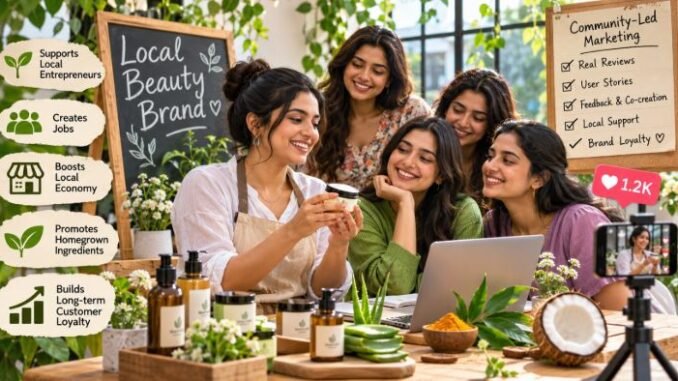
The beauty industry is changing, and the change is coming from closer to home. While international beauty brands have dominated the market for years, local beauty brands are now gaining attention by offering something that goes beyond products: trust, authenticity, cultural connection, and a sense of belonging.
Today, consumers are becoming more conscious about what they buy, where products come from, and the people behind the brands. They are no longer choosing beauty products based only on attractive packaging or celebrity endorsements. They want brands that understand their skin, hair, lifestyle, culture, and personal experiences.
This shift has created an opportunity for local beauty businesses to grow through community-led marketing, where customers are not just buyers but active participants in a brand’s journey.
Understanding the Rise of Local Beauty Brands
Local beauty brands are businesses that develop products by understanding the specific needs, preferences, and lifestyles of their communities. They often focus on locally relevant ingredients, regional beauty traditions, affordability, and personalised customer experiences.
In India, for example, many homegrown beauty brands are building their identities around traditional ingredients such as turmeric, neem, aloe vera, coconut, sandalwood, and other familiar ingredients. These brands combine traditional knowledge with modern formulations, packaging, and digital marketing.
Brands such as Mamaearth, Forest Essentials, and Juicy Chemistry demonstrate different ways Indian beauty businesses have built identities around natural ingredients, Indian beauty traditions, and evolving consumer expectations.
The growth of these brands reflects a larger shift: people increasingly want beauty products that feel relatable, accessible, and connected to their everyday lives.
Community-Led Marketing: More Than Just Selling Products
Traditional marketing often focuses on convincing customers to purchase a product. Community-led marketing takes a different approach. It focuses on building relationships, creating conversations, and developing a loyal group of people who genuinely believe in a brand.
For local beauty brands, this approach can be especially powerful.
Imagine a small skincare business that starts by selling handmade products within its neighbourhood. Instead of spending heavily on advertisements, the founder shares skincare tips, listens to customer concerns, responds to feedback, and encourages customers to share their experiences.
Gradually, customers begin recommending the products to friends and family. They post reviews, create social media content, and become part of the brand’s growth story.
This is the real power of community-led marketing. People begin promoting a brand not simply because they are paid to do so, but because they feel connected to it.
Building Brand Loyalty Through Authentic Human Connections
These stories make brands more relatable.
Consumers often connect with the people behind a product. They want to know why the brand was started, what problems it aims to solve, how its products are made, and what values it represents.
For example, when a local beauty brand shares its founder’s journey, introduces its employees, highlights customer experiences, or explains the sourcing of its ingredients, it creates transparency.
This human connection helps build emotional loyalty. Customers begin to see the brand as more than a business. They see it as a community that understands them.
However, trust must be supported by quality, safe formulations, honest communication, and realistic product claims. A strong community can attract customers, but only a reliable product experience can retain them.
The Business Impact of Community-Led Marketing
Community-led marketing is not just about creating engagement on social media. It can directly influence business growth, customer retention, and long-term profitability.
1. Lower Marketing Costs
Small beauty businesses often have limited budgets. Competing with multinational brands through expensive advertising campaigns can be difficult.
Community marketing offers an alternative. Customer recommendations, user-generated content, local events, and genuine reviews can increase brand visibility without requiring massive advertising investments.
2. Stronger Customer Loyalty
When customers feel heard and valued, they are more likely to develop long-term relationships with a brand.
A customer who trusts a local skincare business may return for new products, recommend the brand to others, and actively engage with its social media community.
This can increase repeat purchases and improve customer lifetime value.
3. Organic Brand Awareness
Word-of-mouth remains a powerful marketing tool, especially in local markets.
A satisfied customer recommending a product to a friend can create more meaningful awareness than a generic advertisement. Social media platforms further amplify these recommendations through reviews, reels, testimonials, and creator collaborations.
4. Better Product Development
Community engagement also provides valuable business insights.
Customers can share feedback about product texture, fragrance, pricing, packaging, ingredients, and performance. Brands can use these insights to improve existing products and identify new market opportunities.
In this way, customers become part of the innovation process.
5. Opportunities for Local Employment
The growth of local beauty businesses can create employment opportunities for product developers, packaging teams, marketers, content creators, sales professionals, distributors, and small-scale manufacturers.
It can also support local suppliers, farmers, artisans, and ingredient producers.
Therefore, the success of a local beauty brand can contribute to a wider economic ecosystem.
The Role of Social Media and Micro-Influencers
Social media has made it easier for small beauty businesses to reach audiences without depending entirely on traditional advertising.
Platforms such as Instagram, YouTube, and Facebook allow brands to communicate directly with customers, demonstrate product usage, share educational content, and receive immediate feedback.
One particularly effective strategy is collaborating with micro-influencers.
Unlike celebrities with millions of followers, micro-influencers often have smaller but more engaged audiences. Their recommendations can feel personal and relatable, particularly when they focus on local communities or specific beauty concerns.
For instance, a regional skincare brand can collaborate with local beauty creators who understand the skin concerns, climate, language, and preferences of their audience.
Such partnerships can help brands build credibility and reach potential customers more naturally.
Challenges Faced by Local Beauty Brands
Despite their growing popularity, local beauty brands face several challenges.
Competition from established international brands remains strong. Limited funding, inconsistent supply chains, product certification requirements, regulatory compliance, and difficulties in scaling production can restrict business growth.
Another major challenge is maintaining authenticity while expanding.
A brand that initially builds trust through personal customer relationships may struggle to maintain that connection as its customer base grows.
Additionally, community-led marketing requires consistency. Brands cannot expect customers to become loyal simply because they have created a social media page or collaborated with influencers.
They must continuously deliver quality, listen to feedback, communicate honestly, and provide meaningful customer experiences.
The Future: From Customers to Brand Communities
The future of the beauty industry will not be determined only by who has the biggest advertising budget. It will also depend on who understands customers better and builds stronger relationships with them.
Local beauty brands have an opportunity to create a different kind of business model, one where growth is supported by trust, cultural relevance, transparency, and shared experiences.
They can organise local beauty workshops, create skincare education communities, involve customers in product testing, collaborate with local entrepreneurs, and build meaningful partnerships.
These initiatives can transform customers from passive buyers into active supporters of a brand.
However, community should never become just another marketing tactic. It must be built on genuine relationships and mutual value.
Conclusion
The rise of local beauty brands represents more than a shift in consumer preferences. It reflects a growing desire for authenticity, representation, trust, and meaningful connections in the marketplace.
Community-led marketing gives smaller beauty businesses the opportunity to compete through relationships rather than advertising budgets alone. It helps them understand customers, improve products, strengthen loyalty, and create opportunities for local employment and entrepreneurship.
Ultimately, the most successful local beauty brands will not simply be those that sell the most products. They will be the ones that make people feel understood, valued, and included.
Because in today’s beauty industry, a product may attract a customer, but trust and community are what make that customer stay.
The future of beauty is not just about looking good. It is about building businesses that make people, communities, and local economies grow together.
