

Retirement is often seen as freedom from work, but for many, it brings unexpected emptiness. Beyond a lifestyle change, it’s an identity shift—losing the structure, purpose, and social connections that work provides can lead to feelings of purposelessness, loneliness, and low mood. Since retirement depression often doesn’t resemble typical sadness, it can easily go unrecognized.
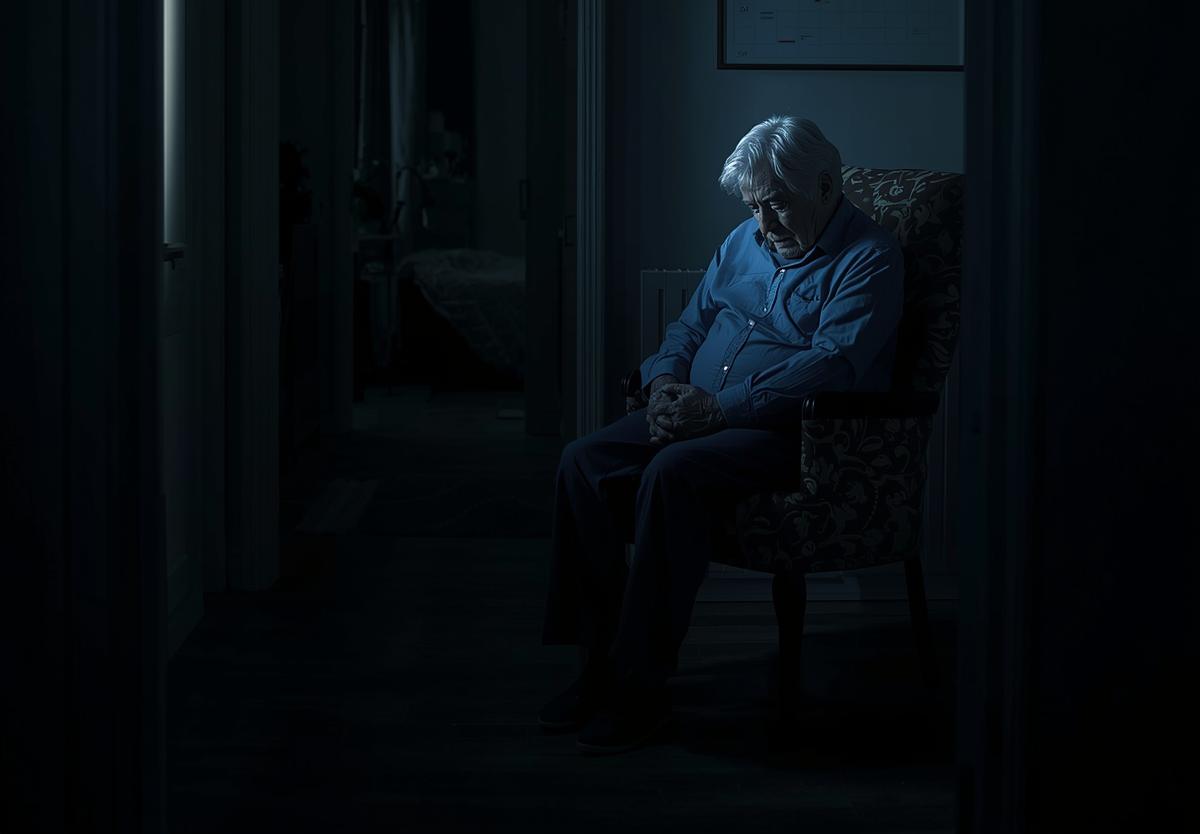
How Common Is Retirement Depression?
Depression and anxiety are among the most common mental health issues in older adults. Research shows that nearly one in three retirees experiences depressive symptoms, with some studies reporting a 40% rise in depression during the first few years after leaving work. Despite this, most retirement planning focuses on finances, rarely addressing the emotional impact.
Why Retirement Can Trigger Depression
The emotional impact of retirement rarely stems from a single cause. Instead, it often arises from a combination of subtle but significant life changes:
1. Loss of Identity and Purpose
Work provides more than income—it gives structure, a sense of contribution, and a role in society. When that role ends, many retirees find themselves asking, “What now?” Without a clear answer, feelings of emptiness or a lack of direction can gradually emerge.
2. Sudden Loss of Routine
Daily work schedules create a predictable rhythm: waking up at set times, completing tasks, and interacting with others. Retirement abruptly removes this structure. Without a new routine, emotional instability can follow.
3. Social Disconnection
Work often provides regular social interaction. Once retired, these daily connections may diminish. Over time, reduced engagement with others can lead to loneliness, which is closely linked to depression in older adults.
4. Financial Stress and Uncertainty
Even well-planned retirements can bring financial worries. Concerns about savings, healthcare costs, or supporting family members create ongoing stress, which may gradually contribute to depressive symptoms.
5. Health Changes and Aging
Physical health challenges—chronic illness, reduced mobility, or fatigue—become more noticeable in later life. These limitations can restrict daily activities and independence, reinforcing feelings of loss and affecting emotional well-being.
Recognizing the Signs
Retirement depression may be subtle, showing as:
- Persistent low mood or emotional numbness
- Loss of interest in hobbies
- Fatigue or low energy
- Changes in sleep or appetite
- Difficulty concentrating
- Feelings of guilt or worthlessness
These symptoms can develop gradually, often mistaken as a normal part of aging—but they are not inevitable and can be treated.
Coping with Retirement Depression
- Build a New Routine: Even a flexible schedule provides stability.
- Stay Socially Connected: Volunteering, community activities, or regular contact with friends help maintain social bonds.
- Find Purpose: Mentoring, creative projects, learning new skills, or part-time work can restore a sense of contribution.
- Maintain Physical Health: Exercise, proper sleep, and nutrition support mental well-being.
- Seek Professional Support: Persistent symptoms interfering with daily life may require therapy or treatment, which are effective and evidence-based.
Final Thoughts
Retirement is a major transition involving both lifestyle and identity changes. Depression after retirement is common but not inevitable. With planning, social connection, and support, this stage can be a fulfilling chapter filled with purpose, growth, and meaningful engagement.
