

In today’s busy and often stressful lifestyle, health is something many people tend to notice only when it starts giving trouble. But the truth is, most common health problems develop quietly over time. This is why regular health checkups are no longer optional—they are becoming an essential part of responsible living.
A routine health checkup is a simple yet powerful step that helps track how your body is functioning. It usually includes basic tests, physical examination, and a consultation with a doctor. The aim is not just to find illness, but to understand your health before problems become serious.
Silent Health Problems Often Go Unnoticed
Some of the most common health conditions today—such as diabetes, blood pressure, cholesterol imbalance, and thyroid disorders—often develop without clear early symptoms. A person may feel completely normal while internal changes are already taking place.
This is where preventive screening plays an important role. Simple blood tests and routine monitoring can detect these conditions early, allowing timely treatment and better control.
Prevention is Always Better Than Cure
Health experts increasingly emphasize preventive care over reactive treatment. Regular checkups help in identifying risk factors before they turn into major illnesses. For example, slightly high sugar levels today can become diabetes in the future if ignored.
Similarly, borderline cholesterol or fluctuating blood pressure can silently increase the risk of heart disease. Early detection gives individuals a chance to correct their lifestyle—through diet, exercise, and stress management—before medication becomes necessary.
A Better Understanding of Your Body
One of the often-overlooked benefits of regular health checkups is awareness. When you track your health over time, you begin to understand your body better. Doctors can also compare past reports with current ones to identify trends.
This continuous monitoring creates a clearer picture of your overall well-being and helps in making informed decisions about food habits, sleep patterns, and daily routine.
Key Health Checks That Matter Most
While health packages may vary, some essential tests are commonly recommended:
- Blood sugar levels (for diabetes monitoring)
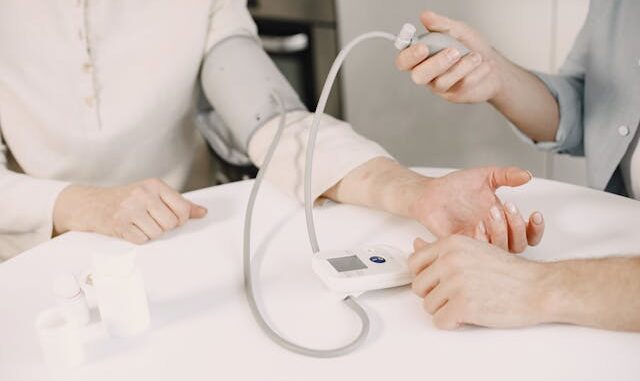
- Blood pressure check
- Cholesterol and lipid profile
- Thyroid function test
- Complete blood count (CBC)
- Liver and kidney function tests
These basic screenings offer valuable insight into how major organs are functioning and help detect early signs of imbalance.
How Often Should You Get Checked?
There is no fixed rule for everyone, but age and lifestyle play an important role:
- Young adults (20s–30s): Basic checkups every 2–3 years
- Middle age (40s): Yearly checkups recommended
- 50 and above: Regular annual screenings become important
People with existing health conditions or a family history of diseases should consult doctors for more frequent monitoring.
A Small Step That Makes a Big Difference
Regular health checkups are not about fear—they are about control. They help people take charge of their health instead of waiting for symptoms to appear. In many cases, early detection not only makes treatment easier but also prevents complications later.
In a world where lifestyle diseases are increasing rapidly, a simple routine checkup can be one of the most effective habits for long-term wellness.
Taking time for your health today is an investment in a healthier, more secure tomorrow.