
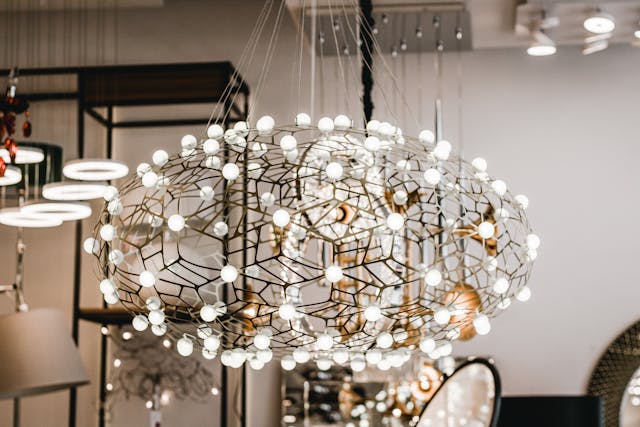

Lighting is one of the most important elements in home design, influencing not only visibility but also mood, comfort, and overall aesthetics. A well-planned lighting setup can transform a simple space into a warm, functional, and visually appealing environment. Today, homeowners are focusing on layered lighting systems that combine functionality with style.
Home lighting is broadly divided into four key categories — ambient, task, accent, and decorative lighting. Each serves a different purpose and works best when used in combination to create a balanced interior design.
Key Types of Home Lighting
Ambient Lighting
Ambient lighting forms the base layer of illumination in any room. It provides overall brightness and ensures comfortable visibility throughout the space.
Common fixtures include ceiling lights, recessed lighting, LED downlights, chandeliers, and wall-mounted lights. This type of lighting is widely used in living rooms, bedrooms, and hallways to create a consistent and welcoming atmosphere.
Task Lighting
Task lighting is designed to support specific activities that require focused illumination such as reading, cooking, writing, or working.
Examples include desk lamps, table lamps, pendant lights over counters, and under-cabinet kitchen lighting. It improves clarity and reduces eye strain during detailed tasks.
Accent Lighting
Accent lighting is used to highlight architectural features, artwork, or decorative elements within a home. It adds depth, contrast, and visual interest to interiors.
Spotlights, track lighting, and directional LED fixtures are commonly used to draw attention to focal points and enhance room aesthetics.
Decorative Lighting
Decorative lighting combines functionality with design appeal. It is often used as a statement feature that enhances the overall style of a room.
Chandeliers, designer pendant lights, and artistic wall fixtures fall into this category, helping create a premium and elegant interior look.
Popular Home Lighting Fixtures
Chandeliers
Chandeliers act as centrepieces in living or dining spaces. Available in traditional crystal styles or modern minimalist designs, they add luxury and elegance to interiors.
Ceiling Lights
Ceiling lights provide general illumination and are ideal for everyday use. Flush mount and semi-flush fixtures are commonly used in kitchens, bedrooms, and utility areas.
Pendant Lights
Pendant lights hang from the ceiling and provide focused lighting with decorative appeal. They are commonly installed above dining tables, kitchen islands, and seating areas.
Wall Sconces
Wall sconces are mounted on walls to provide soft ambient or accent lighting. They also contribute to decorative styling and enhance room atmosphere.
Under-Cabinet Lighting
This lighting is widely used in kitchens to brighten countertops. It improves visibility during food preparation and adds a modern touch to kitchen design.
Lamps (Table, Desk & Floor Lamps)
Lamps offer flexible and portable lighting solutions for reading, studying, or relaxing. They also serve as decorative elements in bedrooms and living areas.
Recessed Lighting
Recessed lights are installed within ceilings for a clean and modern look. They are versatile and can be used for ambient, task, or accent lighting depending on placement.
Track Lighting
Track lighting systems feature adjustable fixtures mounted on a rail. They allow directional lighting and are ideal for highlighting multiple areas or decorative elements in a room.
Smart Tips for Choosing Home Lighting
Understand Room Requirements
Each space in a home has different lighting needs. Living rooms often require layered lighting, while kitchens and work areas need brighter task lighting.
Select Energy-Efficient Bulbs
LED bulbs are the preferred choice due to their energy efficiency, long lifespan, and availability in different colour temperatures to suit various moods.
Create Balanced Lighting Design
A well-designed home uses a combination of ambient, task, and accent lighting to achieve both functionality and visual harmony.
Prioritise Energy Efficiency
Energy-efficient lighting reduces electricity consumption while supporting sustainable living and lowering long-term costs.
Conclusion
Home lighting plays a vital role in shaping the look and feel of interiors. A thoughtful lighting plan not only enhances décor but also improves functionality and comfort.
By combining different lighting types and choosing the right fixtures, homeowners can create stylish, energy-efficient, and comfortable living spaces that suit modern lifestyles