
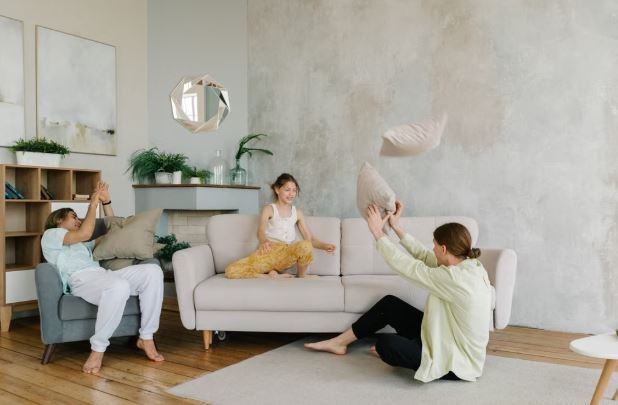
A home is much more than four walls, furniture and decorative finishes. It is where people build memories, find comfort and express their identity. As homeowners increasingly seek spaces that reflect their individual tastes and daily routines, personalisation is emerging as an important influence on India’s home improvement and interior design industry.
A beautifully designed home does not necessarily have to be expensive or follow the latest interior design trend. Sometimes, it is a favourite chair beside a window, a wall displaying family photographs, a kitchen designed around everyday needs or a collection of handmade objects that makes a space feel special.
Today’s homeowners are increasingly looking beyond appearance. They want homes that tell their stories, support their lifestyles and make everyday living more comfortable. This changing attitude is influencing decisions about furniture, colours, lighting, storage, renovation and interior design.
For India’s home improvement businesses, the change presents an important opportunity. Customers are not simply looking for products to fill their homes; they are looking for ideas and solutions that make their living spaces more personal, practical and meaningful.
Homes Are Becoming More Personal
One of the biggest changes in home design is the growing preference for individuality. Homeowners increasingly want their living spaces to reflect their interests, habits and personalities rather than look like a showroom.
Colour choices often play an important role. Some people prefer neutral shades and simple interiors that create a calm atmosphere, while others enjoy brighter colours, distinctive patterns and statement furniture. Natural colours, wooden finishes and earthy textures can bring warmth into a space, while carefully selected decorative elements add character.
Furniture and room layouts also reflect lifestyle choices. Families who enjoy spending time together may prefer open living and dining areas, while people working from home may need a dedicated workspace. A quiet reading corner, a comfortable balcony or a well-organised kitchen can make everyday life more enjoyable.
These decisions show why successful home design must begin with understanding how people actually use their homes.
Small Details Often Make the Biggest Difference
Personal touches can transform an ordinary room into a meaningful living space. Family photographs, travel souvenirs, artwork, books and handmade decorative pieces often carry memories that cannot be recreated through expensive furniture alone.
Handcrafted products are also finding a place in modern interiors. Traditional textiles, locally made furniture, pottery, wooden accessories and regional artwork allow homeowners to bring cultural identity and craftsmanship into contemporary homes.
For India’s home improvement industry, this creates opportunities to connect modern design preferences with local materials, skilled artisans and traditional techniques.
Rather than replacing everything in a room, homeowners can also refresh their surroundings through smaller improvements such as new lighting, wall finishes, curtains, upholstery and decorative accessories.
Functionality Is Becoming as Important as Appearance
A beautiful home must also work well for the people living in it. This is why functionality is becoming an important part of interior planning.
Homeowners are paying attention to storage, natural lighting, ventilation, furniture placement and the efficient use of available space. In urban homes, where space can be limited, multipurpose furniture and smart storage solutions can make a significant difference.
The growth of remote and hybrid working has also changed how some families use their homes. A spare room may now serve as a home office, while a dining area may need to accommodate both family meals and work-related activities.
The focus is shifting towards spaces that can adapt to changing needs without compromising comfort.
A Growing Opportunity for India’s Home Improvement Industry
Changing homeowner preferences are creating opportunities across India’s home improvement and interior design market. Demand is not limited to large-scale renovations or luxury interiors. Even smaller projects involving painting, lighting, modular storage, furniture upgrades, kitchen improvements and bathroom renovations can contribute to this evolving market.
Interior designers, architects, contractors, furniture manufacturers, home décor retailers and renovation service providers all have an opportunity to respond to this demand.
Businesses that understand individual customer requirements can differentiate themselves through customised solutions rather than offering only standard products and designs.
For example, furniture companies can offer modular and space-saving options, while décor businesses can focus on personalised accessories and locally crafted products. Renovation firms can provide practical packages for homeowners who want to improve specific areas of their homes without undertaking a complete makeover.
There is also scope for businesses to offer integrated services, bringing design consultation, material selection, installation and project management together.
Technology Is Changing the Home Improvement Experience
Technology is making it easier for customers to plan and visualise home improvements before spending money.
Digital design tools, online consultations and three-dimensional visualisations can help homeowners understand how colours, furniture and layouts may look in their actual spaces. Online platforms also allow customers to compare products, explore design ideas and connect with service providers.
For home improvement businesses, these tools can improve customer engagement and make the decision-making process more transparent. However, good execution still depends on reliable materials, skilled workers, accurate measurements and quality installation.
The Value of Sustainable and Local Design
Another important consideration is the growing interest in durable materials, responsible consumption and locally sourced products.
Homeowners can make more sustainable choices by repairing or reusing furniture, selecting long-lasting materials, improving natural lighting and choosing products suited to local weather conditions.
Local craftsmanship also offers an opportunity to bring distinctive design elements into homes while supporting artisans and small businesses.
For the industry, this creates room for businesses that combine contemporary design with traditional skills and practical environmental considerations.
Why Understanding the Customer Matters
The home improvement business is ultimately built around people’s everyday needs. A family renovating its kitchen may prioritise storage and ease of maintenance, while a young professional may want a flexible workspace and a comfortable living area. Someone else may simply want a more peaceful bedroom or a welcoming balcony.
Businesses that listen carefully to customers and understand their budgets, preferences and routines are better placed to deliver useful results.
Clear cost estimates, realistic timelines, dependable workmanship and after-sales support are equally important. A good design may attract a customer, but the quality of execution often determines whether that customer recommends the business to others.
The Future of Home Improvement Is Personal
The meaning of a beautiful home is changing, and the home improvement industry is being challenged to look beyond fashionable interiors and standard design packages. Homeowners increasingly want spaces that reflect their identities, accommodate changing lifestyles and make daily life easier.
For India’s designers, furniture manufacturers, décor retailers and renovation businesses, this shift offers an opportunity to build stronger relationships with customers. The businesses that combine creativity with practical solutions, quality workmanship and genuine attention to individual needs will be better positioned to stand out.
Ultimately, the real value of a home cannot be measured by the price of its furniture or the sophistication of its interiors. It lies in how it makes people feel when they walk through the door. A home should offer comfort after a demanding day, create space for family and friends, preserve meaningful memories and adapt as life changes.
The future of home improvement is not simply about making houses look better. It is about making them feel more personal, more functional and more connected to the people who call them home.
