
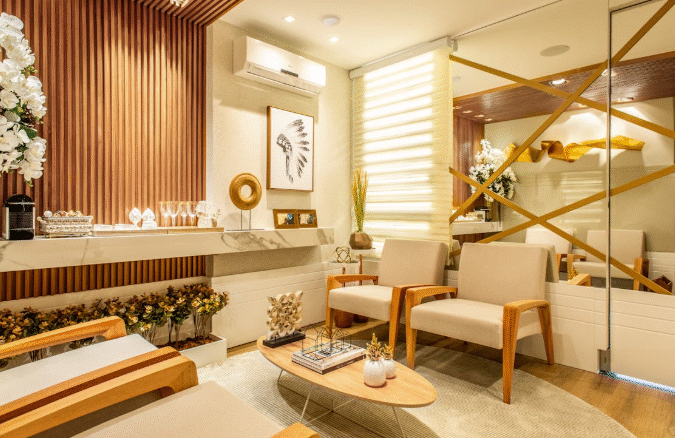

Why your environment shapes your output
The room where you work or think acts like a second brain, influencing how easily you can focus and how quickly you move from idea to action. Visual clutter occupies attention without you noticing it. Excess items, tangled cords, and an unclear layout create small friction points that add up, turning simple tasks into distracting mental marathons. When your surroundings are arranged to support the way you work—clear surfaces, accessible tools, and a layout aligned with your tasks—your cognitive load lightens and productivity follows. This piece offers practical, grounded guidance to transform any space into one that invites attention and sustained effort.
Start with intentional clearing
Begin by defining what you actually use. Hold each object and ask whether it supports a current goal or habit. If the answer is no, make a decision: move it to storage, donate it, or dispose of it. This practice is both physical and psychological—decisions shrink the “background to-do list” you carry in your head. A focused desk should have just a handful of essential items: one screen or a small stack of reference materials, your primary writing tool, and perhaps an inspiring object that doesn’t compete for attention. For household areas, categorize by function—sleeping, preparing food, working—and keep only what belongs in that zone. To help with the process, consider home decluttering tips that are small enough to maintain and specific to each room.
Design for task flow
Once you’ve pared down, arrange the space so common actions are seamless. Place frequently used items within arm’s reach and store occasional items a little further away. Create a dedicated area for launching deep work sessions: a clear desk, a comfortable chair, and a minimal set of tools. If you switch between different types of tasks—creative thinking, email, administrative work—define distinct micro-zones that cue your brain into the appropriate mode. Lighting plays a big role here; position your workspace near natural light when possible and supplement with adjustable lamps that provide even illumination without glare. Ergonomics matters too: a chair set to the right height and a monitor at eye level reduce physical strain that distracts from concentration.
Tame digital clutter
Digital environments mirror physical ones. An overflowing inbox, messy desktop, and countless open tabs fragment attention. Establish a simple file naming system and folder hierarchy that makes retrieval quick. Limit active browser tabs to those tied to a current project and use bookmarking or a read-later app for articles you want to save. Schedule email checks rather than letting messages dictate your rhythm; brief, focused sessions to process messages keep momentum intact. Regularly archive or delete files you no longer need and back up important documents. Treat your digital space as seriously as your physical workspace—refreshing both regularly will keep distractions from multiplying.
Build routines that sustain clarity
Decluttering once is helpful, but lasting focus requires routines. Create short, repeatable rituals that signal transition into work: a three-minute tidy, a simple cup of tea, or a breathing exercise. End-of-day resets are especially powerful; spend five minutes returning items to their places, clearing your desktop, and noting the first task for tomorrow. These rituals reduce resistance when you next sit down to work because the environment is already primed. When habits are consistent, you spend less willpower on preparation and more on the actual work.
Use storage and boundaries wisely
Good storage hides but does not forget. Choose containers and organizers that fit the rhythm of use: transparent bins for quick identification, labeled drawers for categories, and vertical storage to free surface space. Boundaries are equally important—both physical and temporal. If you share a space, set clear expectations about noise levels and access during deep work times. If a door isn’t possible, a visual indicator like a small sign or a headphones rule can create the same protective effect. Temporal boundaries mean setting times for focused work and for interruptions; a predictable schedule lets collaborators know when you are reachable.
Reduce sensory overload
Sound, scent, and visual complexity all affect attention. Identify which sensory inputs pull you away from tasks and adjust accordingly. Noise-cancelling headphones, a gentle fan, or a soft playlist can mask distracting sounds. Keep decor minimal and meaningful; a single piece of artwork or a plant injects personality without creating competition for attention. Plants and natural elements can also improve air quality and comfort, subtly supporting better cognitive performance. Avoid strong scents that could become invasive; instead, opt for neutral spaces that feel calm.
Maintain momentum and adapt
The most effective spaces evolve with your needs. Set quarterly check-ins to reassess what’s working and what isn’t. Life changes—new projects, different schedules, seasonal routines—mean your layout and practices may need adjustment. Keep small maintenance habits in place so clutter doesn’t creep back. Celebrate small wins when your rituals and layout yield better focus or faster task completion; those wins reinforce the behavior that keeps your space productive.
Create a space that works for you
Streamlining your environment is not about minimalism for its own sake. It’s about sculpting a space that supports how you think and what you want to accomplish. By reducing unnecessary items, designing for task flow, controlling digital noise, and building simple routines, you craft an ecosystem where attention is available for meaningful work. Start with one area, make thoughtful choices, and let the improvements compound. A well-arranged space doesn’t do the work for you, but it removes the obstacles between intention and action, making focused, productive days far more attainable.