
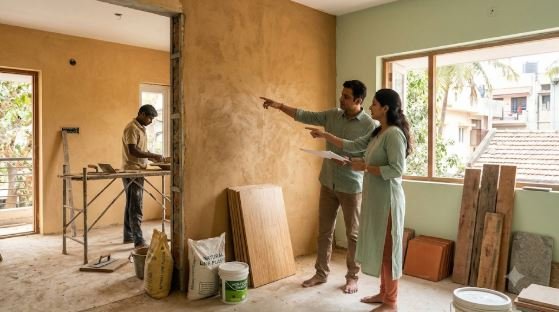
Rising demand for energy-efficient homes and eco-friendly construction is creating new opportunities for building material manufacturers, retailers, architects and renovation businesses across India.
Sustainability is becoming an important consideration in India’s home renovation market. More homeowners are looking beyond appearance and price when choosing materials for their homes. They are also considering energy consumption, durability, maintenance costs and the impact of construction on the environment.
This shift is creating fresh business opportunities for companies offering sustainable building materials. Products such as low-carbon concrete, fly ash bricks, recycled materials, energy-efficient insulation and low-VOC paints are attracting attention as homeowners explore greener ways to renovate their properties.
For businesses, the opportunity goes beyond selling environmentally friendly products. It includes developing affordable solutions, improving product availability and helping customers understand the long-term benefits of sustainable renovation.
Why Are Eco-Friendly Building Materials Gaining Popularity?
One of the main reasons behind the growing interest in sustainable materials is the focus on long-term savings. Homeowners are increasingly interested in products that can help reduce electricity consumption, withstand regular use and require less maintenance.
For example, insulation materials and cool-roof coatings can help reduce indoor heat, particularly in warmer regions. Low-VOC paints and natural finishes offer alternatives for people looking to improve indoor air quality.
Environmental awareness is also influencing buying decisions. Materials that use recycled content, reduce construction waste or have a lower carbon footprint are becoming part of conversations around modern home design.
In India, energy-efficiency initiatives such as the Energy Conservation Building Code (ECBC), along with green building frameworks such as IGBC Green Homes and GRIHA, are helping promote more sustainable building practices.
Sustainable Building Materials Creating New Business Opportunities
The growing demand for greener homes is opening up opportunities across several parts of the construction and home improvement industry.
1. Low-carbon bricks and construction materials
Fly ash bricks, AAC blocks and other alternative masonry products are gaining attention as options for construction projects. Manufacturers that can deliver consistent quality, competitive pricing and reliable supply may find opportunities among builders and renovation contractors.
2. Energy-efficient insulation and roofing
Insulation products, reflective roof coatings and cool-roof solutions can help improve indoor comfort and manage cooling requirements. Companies offering these products can target homeowners, architects, housing projects and renovation specialists.
3. Eco-friendly paints and interior finishes
Low-VOC paints, natural plasters and non-toxic finishes are creating opportunities for paint manufacturers and interior product brands. Customers are increasingly interested in finishes that combine appearance, durability and indoor comfort.
4. Recycled and renewable materials
Reclaimed wood, recycled construction materials and engineered bamboo offer alternatives for selected flooring, furniture and interior applications. Businesses can explore product lines that make better use of available resources while meeting practical design requirements.
Why Homeowners Are Looking Beyond Initial Costs
Sustainable products may sometimes cost more upfront than conventional alternatives. However, purchase price is only one part of the renovation budget.
A durable material may require fewer replacements, while suitable insulation can help reduce cooling requirements. Products that are easier to maintain may also lower long-term ownership costs.
This gives businesses an opportunity to explain the value of sustainable materials through practical examples. Instead of relying only on environmental claims, companies can highlight product lifespan, maintenance needs, energy performance and installation requirements.
Clear information can help customers make more confident purchasing decisions.
Challenges Businesses Need to Address
Despite the opportunities, the sustainable building materials market still faces some practical challenges.
Higher initial prices can discourage budget-conscious homeowners. Availability also varies across locations, while contractors may not always have experience installing newer or alternative materials.
Businesses looking to expand in this segment need to focus on competitive pricing, dependable distribution and professional training. Partnerships with architects, interior designers and renovation contractors can also help introduce sustainable products to more customers.
Product transparency will be equally important. Clear information about material composition, certifications, durability and environmental performance can help build trust and reduce confusion among buyers.
What the Growing Trend Means for India’s Renovation Industry
The interest in eco-friendly building materials reflects a broader change in how homeowners approach renovation. Energy efficiency, indoor comfort, durability and responsible material choices are becoming important alongside design and affordability.
For manufacturers, retailers and service providers, this creates an opportunity to develop solutions that meet practical household needs while supporting more sustainable construction.
Businesses that make green materials accessible, reliable and cost-effective will be better positioned to serve this changing market. As awareness grows, sustainable renovation could become an increasingly important segment of India’s home improvement industry.
