
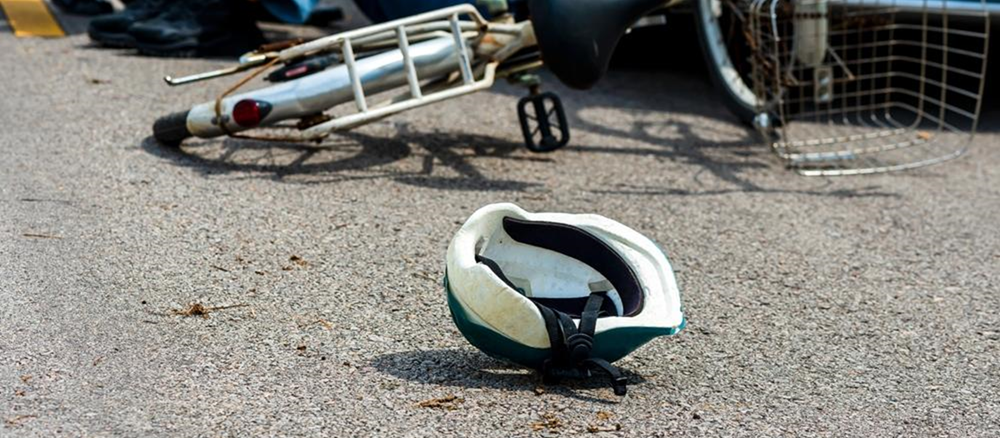

Cycling is an affordable way to commute, stay active, and reduce transportation costs. As more people choose bicycles for work, exercise, and recreation, the number of riders sharing the road with motor vehicles continues to grow. Unfortunately, that also increases the risk of serious accidents that can leave cyclists facing painful injuries, costly medical treatment, and weeks or even months away from work.
Knowing what to do after a crash can make a meaningful difference. Seeking help after a serious bicycle crash can help injured cyclists understand their legal rights, preserve valuable evidence, and avoid common mistakes when speaking with insurance companies. Taking the right steps early allows riders to focus on recovery while protecting their financial future.
Why Bicycle Accident Claims Are Different
Bicycle accident claims are often more complex than many other traffic accident cases because cyclists have little physical protection during a collision. Even accidents at lower speeds can cause broken bones, traumatic brain injuries, spinal injuries, or other life-changing conditions. Recovery may involve surgery, physical therapy, and extended time away from work.
Insurance companies also begin investigating crashes almost immediately. Their goal is often to reduce the amount paid on a claim by questioning liability or minimizing the seriousness of injuries. According to the National Highway Traffic Safety Administration (NHTSA), hundreds of bicyclists lose their lives and tens of thousands are injured in traffic crashes across the United States every year. These numbers highlight why understanding your rights after an accident is so important.
Common Causes of Bicycle Accidents
Many bicycle accidents happen because drivers fail to recognize cyclists or safely share the road. Some of the most common causes include:
- Drivers turning across a cyclist’s path
- Distracted driving caused by texting or mobile phone use
- Opening a parked vehicle’s door into a cyclist’s path
- Failing to yield at intersections or crosswalks
- Unsafe lane changes
- Speeding or reckless driving
- Poor road maintenance, potholes, or roadway debris
Determining what caused the collision is one of the first steps in identifying who may be legally responsible for the injuries and financial losses.
Understanding Your Legal Rights
When another person’s negligence causes a bicycle accident, injured cyclists may have the right to seek compensation for both economic and non-economic damages. Medical bills, rehabilitation costs, lost income, reduced future earning capacity, pain and suffering, and bicycle repairs may all be considered when evaluating a claim.
Many people are also unaware that their own automobile insurance policy may include uninsured or underinsured motorist coverage. If the at-fault driver has limited insurance or no insurance at all, this coverage may help pay for losses that would otherwise remain unpaid. Every case is unique, making it important to understand all available sources of compensation before accepting a settlement.
Can Safety Equipment Affect an Injury Claim?
Wearing a properly fitted helmet is one of the most effective ways to reduce the risk of serious head injuries, but questions about helmet use do not automatically decide whether someone can recover compensation after a crash.
Insurance companies sometimes argue that certain injuries could have been less severe if additional safety equipment had been used. Whether those arguments have any legal effect depends on the facts of the accident, the applicable laws, and the medical evidence. In most cases, the primary issue remains whether another person’s negligence caused the collision.
When Dangerous Road Conditions Contribute to a Crash
Not every bicycle accident is caused by another driver. Unsafe road conditions can also create hazards that place cyclists at risk. Large potholes, uneven pavement, poorly maintained bike lanes, loose gravel, missing traffic signs, and construction zones can all contribute to serious accidents.
When dangerous roadway conditions play a role, responsibility may extend beyond another motorist. In some situations, a government agency or another responsible party may be liable for failing to properly maintain the roadway. These claims often follow different legal procedures and may have shorter filing deadlines than standard personal injury cases.
The Financial Impact of a Bicycle Accident
The financial consequences of a bicycle accident often extend well beyond the initial emergency room visit. Many injured cyclists require follow-up care, rehabilitation, prescription medications, and ongoing medical treatment that can continue for months or even years.
Missing work while recovering can make the situation even more difficult. Some injuries permanently affect a person’s ability to return to the same job or maintain their previous level of income. A complete claim should account for both current expenses and future financial losses instead of focusing only on immediate medical bills.
Steps to Take After a Bicycle Accident
The decisions made immediately after a bicycle accident can have a lasting impact on both your recovery and any future legal claim. If possible, remember to:
- Call 911 and request police and medical assistance.
- Seek medical treatment as soon as possible, even if injuries appear minor.
- Photograph the accident scene, your bicycle, the vehicles involved, and visible injuries.
- Collect contact information from witnesses.
- Request a copy of the police report.
- Save medical records, repair estimates, receipts, and other accident-related documents.
- Avoid giving recorded statements to the other driver’s insurance company before understanding your legal rights.
Keeping organized records from the beginning can make it easier to demonstrate the full extent of your injuries and financial damages.
Building a Strong Injury Claim
Strong bicycle accident claims are built on reliable evidence. Medical records document the injuries and treatment received, while police reports provide an official account of the crash. Photographs, surveillance footage, witness statements, and employment records can further support the claim by showing how the accident occurred and how it affected the injured person’s daily life.
In some situations, accident reconstruction specialists or medical experts may also provide opinions that strengthen the case. Preserving evidence early often improves the likelihood of achieving a fair outcome.
How Legal Representation Can Help
Recovering from serious injuries is challenging enough without also managing insurance negotiations. An attorney can investigate the accident, preserve evidence, identify every responsible party, communicate with insurance companies, calculate the full value of damages, and negotiate for a fair settlement. If negotiations are unsuccessful, legal representation also provides the option of pursuing the claim through litigation.
Having experienced legal guidance can help injured cyclists avoid accepting early settlement offers that fail to account for future medical treatment, lost earning capacity, or other long-term consequences.
Bicycle Safety Benefits Everyone
Preventing bicycle accidents requires cooperation between motorists, cyclists, and local communities. Drivers should remain alert for cyclists, allow safe passing distance, and check carefully before turning or opening vehicle doors. Cyclists can improve their own safety by following traffic laws, using lights during low-light conditions, remaining visible, and staying aware of surrounding traffic.
The National Highway Traffic Safety Administration’s bicycle safety guidance provides practical information for both drivers and cyclists on reducing crashes and safely sharing the road.
While safe riding practices reduce risk, they cannot eliminate every hazard. Negligent driving, roadway defects, and unexpected traffic conditions continue to contribute to thousands of bicycle accidents each year.
Final Thoughts
A bicycle accident can create lasting physical, emotional, and financial challenges. Medical expenses, missed work, and insurance disputes often place significant stress on injured cyclists and their families during an already difficult time.
Understanding your legal rights, seeking prompt medical care, preserving important evidence, and obtaining qualified legal guidance early in the process can improve the outcome of a claim. Acting quickly also helps protect valuable evidence before it disappears, giving injured cyclists a stronger opportunity to pursue fair compensation and move forward with confidence.