
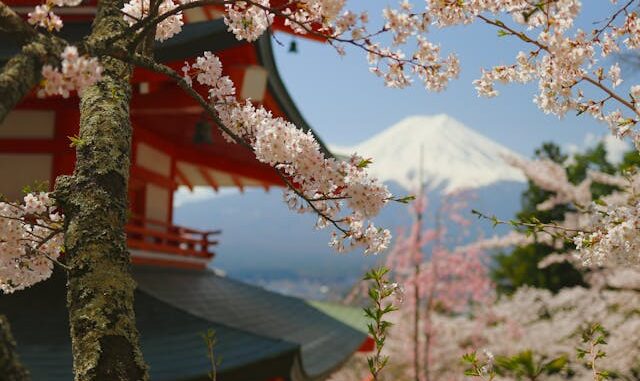

Every spring, Japan transforms into a living canvas of delicate pink and white blossoms as cherry trees bloom across cities, riversides, and mountain landscapes. This seasonal phenomenon—known as sakura—has evolved far beyond a natural event. It has become a cultural symbol, a global tourism driver, and one of the most anticipated travel experiences worldwide.
For international travelers, and increasingly for Indians, Japan during cherry blossom season represents more than sightseeing. It is an immersive experience where nature, tradition, and modernity converge in a uniquely poetic setting.
The Cultural Significance of Sakura
Cherry blossoms hold deep cultural meaning in Japan. They symbolize the beauty of life’s fleeting nature, renewal, and reflection. Locals and visitors alike participate in hanami—the tradition of flower viewing—where families, friends, and colleagues gather under blooming trees for picnics and celebration.
This seasonal ritual is not just tourism; it is cultural participation. Parks in Tokyo, Kyoto’s temple gardens, and riverbanks across the country become communal spaces of joy and reflection, reinforcing Japan’s identity as a nation deeply connected to nature.
A Growing Global Travel Phenomenon
Over the past decade, cherry blossom season has become one of the most powerful tourism drivers in Asia. Japan consistently records a surge in international arrivals during this period, with travelers planning months in advance to align their visits with bloom forecasts.
India has emerged as one of the fastest-growing outbound markets contributing to this trend. The rising middle class, improved global exposure, and preference for experiential travel have made Japan a top aspirational destination.
Travelers are no longer just visiting iconic landmarks—they are seeking seasonal immersion, cultural depth, and visually rich experiences that define modern travel storytelling.
India–Japan Tourism Link: A Strengthening Corridor
The India–Japan travel corridor is witnessing steady expansion, supported by stronger air connectivity, simplified visa processes, and growing cultural familiarity between the two countries.
Japanese cities such as Tokyo, Osaka, and Kyoto are increasingly featuring in Indian travel itineraries, not only for leisure but also for honeymoon travel, photography tours, and curated cultural experiences.
At the same time, Japanese tourism stakeholders are actively engaging with Indian travel markets through promotions, collaborations, and targeted outreach, recognizing India as a key source of future tourism growth.
Beyond Sightseeing: The Experience Economy in Japan
What makes Japan’s cherry blossom season unique is the shift from traditional tourism to experience-driven travel. Visitors are not just observing landscapes—they are participating in them.
From tea ceremonies under blooming trees to night illuminations in historic gardens, the experience is designed to be immersive. Even urban spaces are transformed, with sakura-lined streets redefining city aesthetics.
This blend of tradition and innovation reflects Japan’s broader tourism strategy: preserving cultural authenticity while enhancing global accessibility.
Why Cherry Blossom Tourism Is Strategically Important
Cherry blossom tourism is more than seasonal attraction—it plays a crucial role in Japan’s economy and global image:
- It drives peak seasonal tourism revenue
- It supports local hospitality and retail sectors
- It strengthens Japan’s cultural diplomacy
- It encourages repeat international visitation
- It positions Japan as a premium experiential destination
For India, this trend reflects a broader shift in travel behavior—from conventional holidaying to meaningful, experience-led journeys.
Conclusion: A Season That Connects Cultures
Cherry blossom season in Japan is no longer just a natural spectacle—it is a global cultural moment. For Indian travelers, it represents aspiration, discovery, and emotional connection with a destination that balances ancient tradition with futuristic urban life.
As outbound tourism continues to grow and experiential travel gains momentum, Japan’s sakura season is expected to remain one of the most powerful symbols of seasonal global tourism—where every bloom tells a story of renewal, beauty, and shared human experience.