
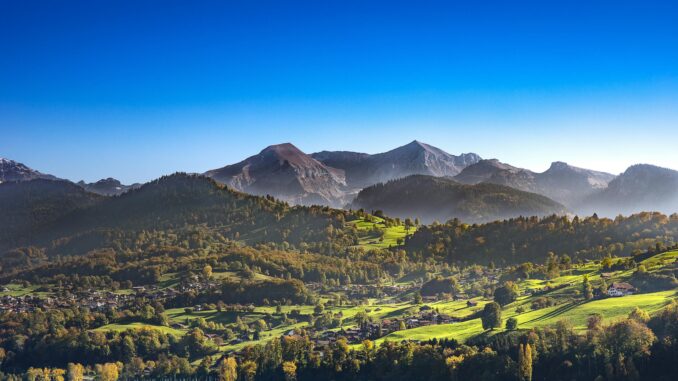

As global travel continues to rebound, destinations that prioritize quality over quantity are emerging as leaders in tourism revenue. Among them, Switzerland has positioned itself as one of the world’s most profitable travel markets by focusing on premium experiences, sustainable tourism, and high-spending international visitors.
With its iconic Alpine landscapes, luxury hospitality sector, and efficient infrastructure, Switzerland has transformed tourism into a major economic contributor while maintaining environmental balance and destination exclusivity.
A Tourism Model Built on Value, Not Volume
Unlike many mass tourism destinations, Switzerland has adopted a strategy that prioritizes high-value visitors rather than large visitor numbers. The country attracts travelers who are willing to spend more on luxury accommodation, exclusive experiences, and extended stays.
This model benefits the economy in several ways:
-
Higher per-visitor spending
-
Reduced environmental strain
-
Stronger support for local businesses
-
Sustainable long-term tourism growth
The approach has proven particularly effective in the luxury travel segment, where travelers increasingly seek curated experiences and premium service.
Luxury Hospitality Driving Tourism Revenue
Swiss hospitality is globally recognized for its excellence, with iconic properties such as Badrutt’s Palace Hotel and The Dolder Grand attracting high-net-worth travelers.
These luxury hotels offer more than accommodation—they provide immersive experiences that combine wellness, fine dining, and panoramic Alpine views. This focus on experiential travel significantly increases tourism spending and strengthens Switzerland’s position as a premium travel destination.
High-end hospitality also supports related sectors such as gastronomy, retail, and luxury transportation, creating a ripple effect across the tourism economy.
Iconic Destinations Fueling Global Demand
Several Swiss destinations continue to attract global travelers seeking scenic beauty and upscale experiences.
Zermatt, home to the iconic Matterhorn, remains a favorite for luxury ski tourism. Meanwhile, Lucerne draws visitors with its historic charm, lakeside views, and proximity to Alpine excursions.
Another standout destination is Interlaken, known for adventure tourism and scenic rail journeys connecting travelers to mountain peaks and glaciers.
These locations combine accessibility with exclusivity, allowing Switzerland to maintain strong tourism revenues while avoiding the pressures of overcrowding seen in other European destinations.
Sustainable Tourism as a Competitive Advantage
Sustainability has become a central pillar of Switzerland’s tourism strategy. The country invests heavily in green transportation, including its renowned railway network, allowing visitors to travel comfortably while reducing environmental impact.
Destinations also promote eco-friendly accommodation, responsible outdoor activities, and strict environmental preservation policies. This commitment appeals strongly to modern travelers who increasingly prioritize sustainable travel choices.
For tourism businesses, sustainability is not just a responsibility—it has become a market differentiator that enhances brand value and visitor loyalty.
Economic Impact and Future Growth
Tourism contributes significantly to Switzerland’s economy, supporting thousands of jobs in hospitality, transportation, retail, and outdoor recreation. As global demand for luxury and experiential travel continues to grow, the country is expected to maintain strong tourism performance in the coming years.
By balancing exclusivity, sustainability, and world-class infrastructure, Switzerland offers a blueprint for how destinations can generate strong tourism revenue without sacrificing environmental integrity or visitor experience.
Conclusion
Switzerland’s tourism success demonstrates that profitability in travel does not depend on mass tourism. By focusing on premium experiences, sustainable practices, and high-spending visitors, the country has built a resilient tourism model. As global travelers increasingly seek quality over quantity, Switzerland’s Alpine luxury strategy may well shape the future of high-value travel worldwide.
