
Winning a customer once is a sale. Winning them again and again is loyalty, and that repeat business is far more valuable. Acquiring new customers usually costs significantly more than keeping existing ones, which is why many brands look closely at what happens after the first purchase. A good reward programme gives customers a reason to return and a reason to feel good about it.
Done well, consumer incentive schemes turn a transaction into an ongoing relationship. Done badly, they become a discount habit that trains customers to wait for the next offer. The difference lies in how the scheme is designed and which behavior it rewards.
Why Reward Schemes Work
- Rewards give customers a visible benefit for choosing your brand over a competitor.
- They create a clear motivation to purchase sooner rather than later.
- They make customers feel recognised, not just counted on a spreadsheet.
- They generate actionable purchase data about what customers buy and when, which helps you improve your offering.
Common Types of Consumer Schemes
- Instant rewards: A gift or benefit given immediately at the time of purchase.
- Purchase-linked rewards: A reward earned after reaching a specific spend threshold or buying a set number of units.
- Lucky draws and contests: Entry into a draw with a chance to win aspirational, high-value prizes.
- Referral rewards: A benefit for customers who introduce new buyers to your brand.
- Loyalty points: Points collected over time and redeemed for tailored rewards.
Each type works best in different situations. Instant rewards suit impulse purchases, while points-based schemes suit repeat purchases over a long time.
Choosing Rewards That Customers Actually Want
The reward matters as much as the scheme. A reward that nobody values will not change behaviour:
- Gift cards: Flexible and appealing to a wide audience.
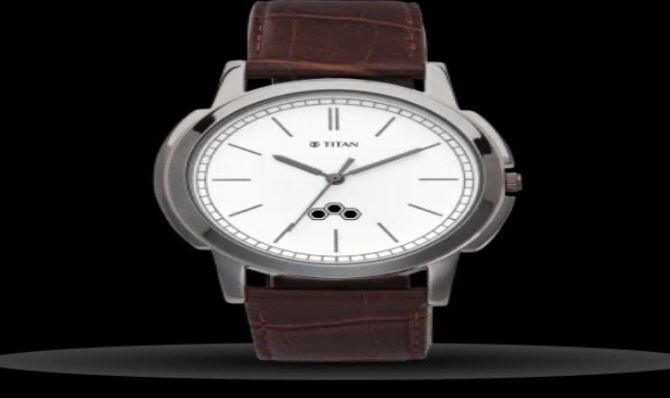
- Watches and accessories: Aspirational, durable and long-lasting.
- Practical items: Things customers will use regularly in their daily lives.
- Experiences: Memorable, though harder to manage at scale
A reward that carries real quality also reflects well on your brand. A cheap item can quietly signal that you value the customer less than the scheme suggests.
Designing a Scheme That Works
- Keep the rules simple enough to explain in one or two sentences
- Set rewards at a level customers feel is within reach
- Make the benefit clear at the point of purchase
- Deliver rewards quickly, because delays weaken the effect
- Be transparent about eligibility and timelines
- If customers cannot easily tell what they will get, they are less likely to take part.
You can explore a range of rewards and structures for reward schemes for consumers on the Titan Corporate Gifting consumer schemes page.
Balancing Rewards and Brand Value
- Avoid making discounts the only incentive, since constant discounting teaches customers to wait for offers.
- Reward behaviour you actually want, such as repeat purchases or referrals
- Use higher-value rewards sparingly so they feel special
- Keep your brand’s quality image in mind when choosing gifts
Timing Your Schemes
- Festive seasons: Customers are already in a buying and gifting mood
- Product launches: A reward can encourage early trials
- Slow periods: A well-timed scheme can lift demand when it is usually low
- Anniversaries and milestones: Recognise long-term customers to deepen loyalty
Measuring Success
- Compare repeat purchase rates before and after the scheme
- Track how many customers redeemed or claimed rewards
- Measure the cost of the scheme against the additional sales it brought
- Gather customer feedback on which rewards they valued
- Review and adjust each season
Mistakes to Avoid
- Making the scheme too complicated
- Offering rewards that do not match the product’s value or audience
- Running schemes so often that customers expect them permanently
- Failing to deliver the reward on time
- Ignoring customer feedback after the scheme ends
The Takeaway
A reward scheme works when customers feel it is fair, simple, and worth their effort. Pick rewards people genuinely value, keep the process easy, and deliver on your promises. Over time, that builds the kind of trust that brings customers back without needing a bigger offer each time.
